Statoil and Hydro, Norway’s two national oil companies, will merge to create
the world’s biggest offshore operator. It is proposed that Eivind Reiten will
become chairman of the new company, while Helge Lund has been proposed as CEO.
The process of preparing for the election of the new board has been agreed.
Hydro’s shareholders will hold 32.7% of the new company and Statoil’s
shareholders will hold 67.3%. Hydro’s shareholders will receive 0.8622 shares
in the new company for each Hydro share and continue as owners of Hydro.
Statoil shareholders will maintain their holdings in the new company on a
one-for-one basis. The Norwegian state will hold approximately 62.5% in the
merged entity.
Go deeper with GlobalData

The new company will create something new, something different from both
Hydro and Statoil. It will take the best from each.
Statoil / Hydro will be by
far the world’s largest offshore operator with a very strong portfolio. By
combining the capabilities of Hydro and Statoil, it will become a first-class
company and be a major – and reliable – supplier of gas to Europe.
The merged company will also have a new name.
Hydro energy production will continue, after the de-merger of its oil and
gas assets, as the Hydro aluminium company, the third largest integrated
aluminium company globally and the third largest listed company in the world.
The restructuring of the Hydro aluminium company has nearly been completed,
positioning the company for strong results and long-term growth.
See Also:

Hydro’s energy production activities will stay with the aluminium company,
and not become part of the new oil company, to secure the company’s long-term
power coverage and its strong position in aluminium production. With the strong
financial position that Hydro has today, it is clear that the Hydro company,
following the de-merger of its oil and gas activities, will still occupy a
strong financial position.
How well do you really know your competitors?
Access the most comprehensive Company Profiles on the market, powered by GlobalData. Save hours of research. Gain competitive edge.
Thank you!
Your download email will arrive shortly
Not ready to buy yet? Download a free sample
We are confident about the unique quality of our Company Profiles. However, we want you to make the most beneficial decision for your business, so we offer a free sample that you can download by submitting the below form
By GlobalDataINTEGRATION PROCESS
The process of planning the company integration and leading the integration
team will be the responsibility of Hilde Merete Aasheim, who is presently head
of HR in Hydro. It is a key position; providing equal opportunities and finding
the best person for a given job is going to be crucial to the success of the
merger.
The new company is setting out some key principles for this process, to help
it continue the excellent traditions that both Statoil and Hydro already have
when it comes to managing integrations in a manner that is timely and sensitive
to its employees.
STEP CHANGE
For the merged entities, the merger will be a step-change, both in terms of
production and resource base – the merger is very much driven by growth
and growth initiatives.
The new company will have a combined production of
1.9mbpd in 2007 and proven oil and gas reserves of 6.3 billion barrels of oil
equivalent. The company will have approximately 31,000 employees and operations
in 40 countries.
It will have a stronger portfolio in Norway and internationally. As both
Statoil and Hydro have increased their exploration activities significantly in
the last few years, the new company will go forward with a very exciting and
strong exploration programme.
PROMISING FUTURE
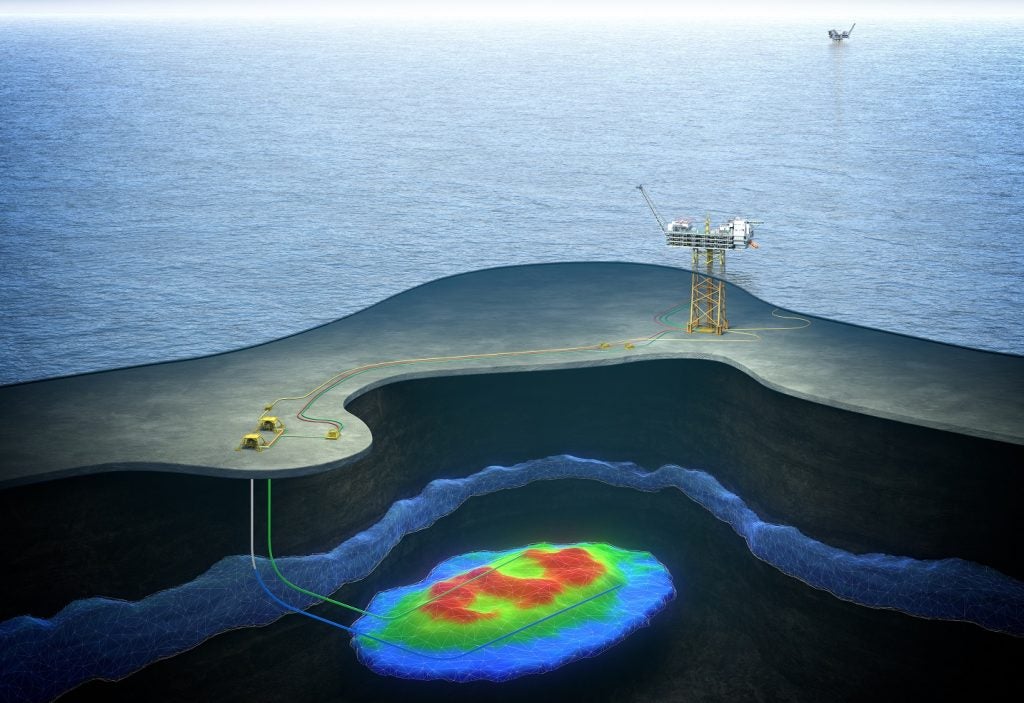
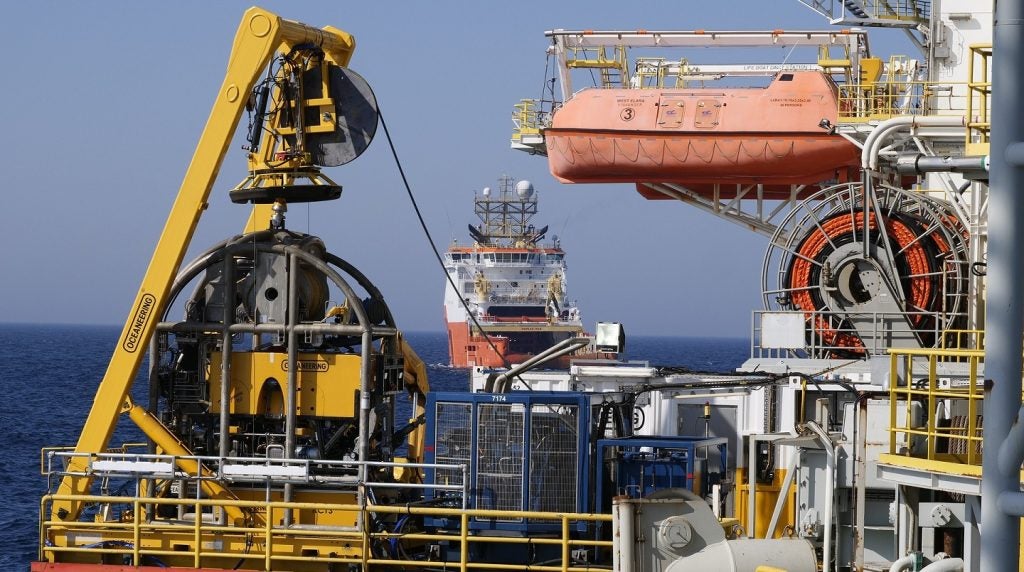
The new company will have a strong technology profile, particularly in terms
of subsea technology, and excellent project execution skills. In terms of gas,
it will further improve its position, not only in piped gas but also in LNG and
gas-to-liquid (GTL) technology.
There will be a considerable emphasis on upstream, but also on a strong
value chain. The new company will continue to build its activities and
capabilities in the increasingly important areas of carbon capture and
sequestration.
The combined entity will bring the Norwegian Continental Shelf (NCS) to a
new level. It is expected to address the challenges on the NCS in an even more
dynamic way than the merging companies have been able to do alone, by deploying
improved oil and gas recovery technologies and by using scale advantages in the
logistics and operations areas to become a more efficient operator. There can
be no doubt that the new company will become a leading force in the Arctic.
The company will be strong in North Africa, Nigeria, Libya, Egypt and West
Africa (particularly Angola). It will have a very exciting combined portfolio
in the Gulf of Mexico, which will include producing assets, projects under
development and discoveries, as well as a huge licence portfolio. In addition,
the company’s position in Brazil, particularly in terms of exploration, but
also in terms of development, will remain strong.
The merged company believes that, in up-scaling its activities and building
up its technology base, it will increase its competitive position in the hunt
for new resources and opportunities. And the company believes that it will
benefit from greater operational and financial flexibility, enabling it to take
more growth initiatives and respond to the long-term growth challenges of the
industry.