
BP has patented a method to determine clock drift in seismic sensors exposed to varying temperatures. By analyzing temperature, clock, and timestamp data, the method minimizes drift and outputs corrective data. This innovation ensures accurate data collection in changing environmental conditions. GlobalData’s report on BP gives a 360-degree view of the company including its patenting strategy. Buy the report here.
Smarter leaders trust GlobalData


Discover B2B Marketing That Performs
Combine business intelligence and editorial excellence to reach engaged professionals across 36 leading media platforms.
According to GlobalData’s company profile on BP, Selective catalytic ammoxidation was a key innovation area identified from patents. BP's grant share as of March 2024 was 70%. Grant share is based on the ratio of number of grants to total number of patents.
Method for correcting clock drift in seismic sensor data
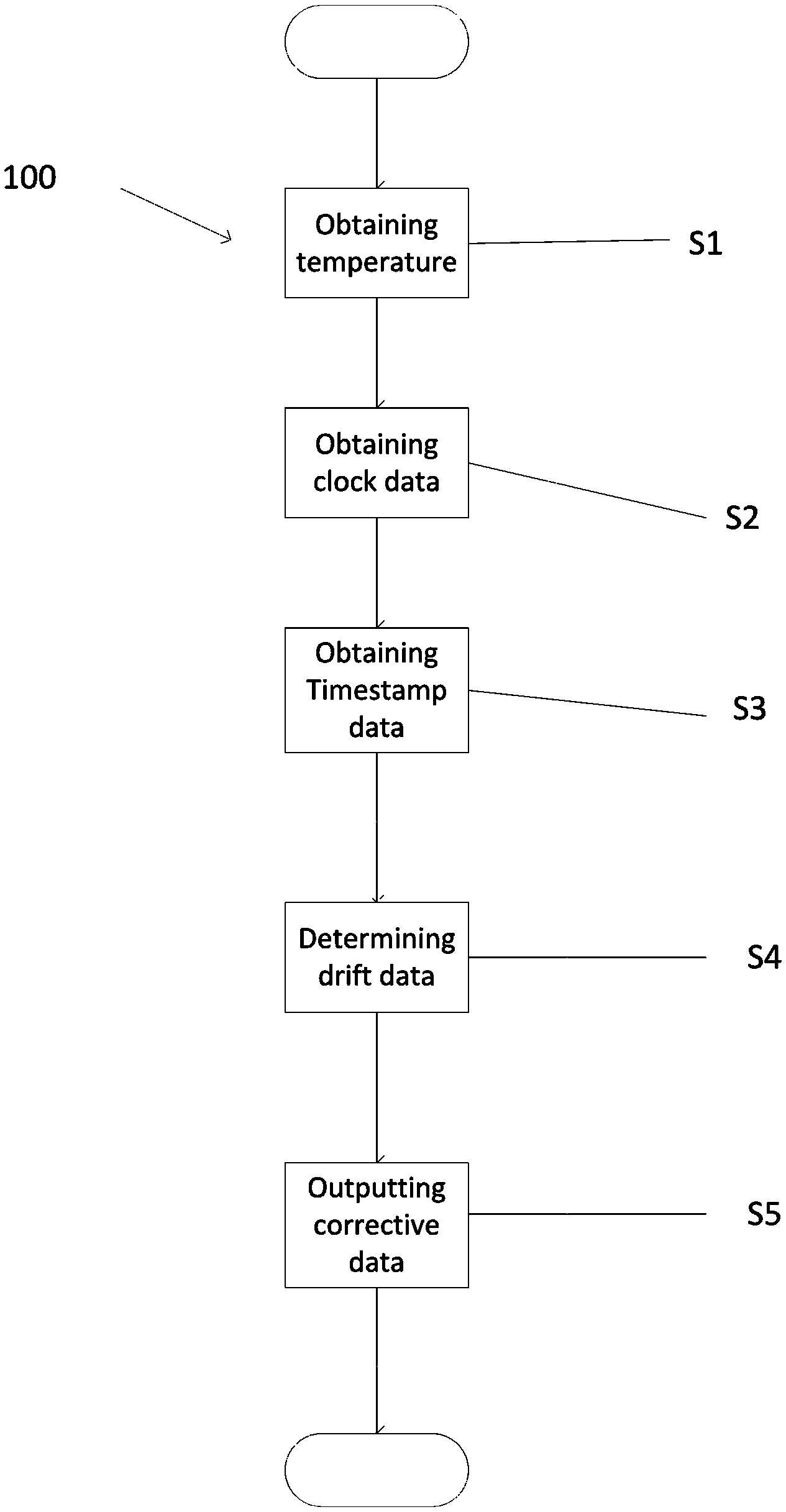
A recently granted patent (Publication Number: US11966252B2) discloses a method for determining drift in clock data provided by a seismic sensor's clock exposed to varying ambient temperatures. The method involves obtaining temperature data from the sensor, clock data, and timestamp data from a global navigation satellite system. By analyzing the difference between the clock data and timestamp data, a temporal drift is determined, and corrective data is calculated to minimize this drift by utilizing the temperature data obtained from the sensor.
The patent further details the parameterization of drift data over recording periods, calibration periods, and measurement periods. The corrective data is determined based on the observed temporal drift in the clock data, with parameters (a, b) optimized to minimize the difference between the drift and the corrective data. The method also includes updating and outputting the corrective data for calibration and measurement periods, storing it in memory, and providing it to the processor. Additionally, the corrective data is associated with different temperature ranges, allowing for precise correction of clock data based on varying ambient temperatures. The patent also covers apparatus, computer programs, and computer program products enabling the implementation of the method for processing clock data in seismic sensors exposed to changing ambient temperatures.
To know more about GlobalData’s detailed insights on BP, buy the report here.
Data Insights
From

The gold standard of business intelligence.
Blending expert knowledge with cutting-edge technology, GlobalData’s unrivalled proprietary data will enable you to decode what’s happening in your market. You can make better informed decisions and gain a future-proof advantage over your competitors.

GlobalData, the leading provider of industry intelligence, provided the underlying data, research, and analysis used to produce this article.
GlobalData’s Patent Analytics tracks patent filings and grants from official offices around the world. Textual analysis and official patent classifications are used to group patents into key thematic areas and link them to specific companies across the world’s largest industries.

