
PGS has been granted a patent for a method involving marine vibrators emitting orthogonal coded pseudo-random sweeps for marine surveys. The process includes generating coded signals, activating the vibrators, recording wavefields, and cross-correlating seismic data to reduce noise. The method aims to improve seismic data quality. GlobalData’s report on PGS gives a 360-degree view of the company including its patenting strategy. Buy the report here.
Smarter leaders trust GlobalData


Discover B2B Marketing That Performs
Combine business intelligence and editorial excellence to reach engaged professionals across 36 leading media platforms.
According to GlobalData’s company profile on PGS, Underwater seismic device deployment was a key innovation area identified from patents. PGS's grant share as of March 2024 was 65%. Grant share is based on the ratio of number of grants to total number of patents.
Marine survey method using orthogonal coded pseudo-random sweeps
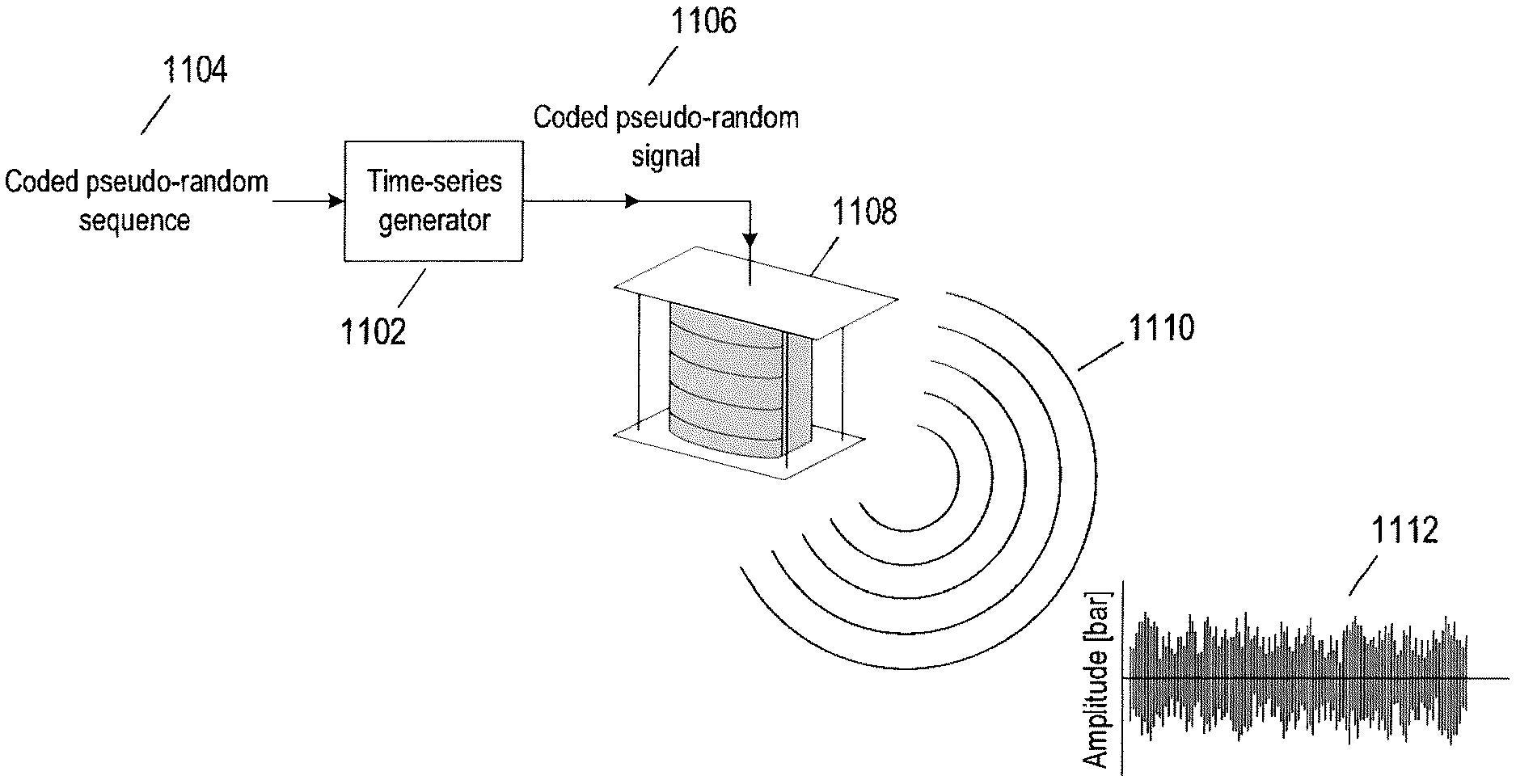
A recently granted patent (Publication Number: US11914090B2) discloses a method for conducting marine surveys using marine vibrators in a body of water above a subterranean formation. The method involves generating coded pseudo-random signals to drive the marine vibrators, creating orthogonal coded pseudo-random sweeps that penetrate the subterranean formation, recording reflected wavefields in seismic data, and cross-correlating the data to reduce incoherent residual noise. The coded signals are generated using seed binary sequences, linear-feedback shift registers, and maximum length sequences with balanced ones and zeros, ensuring periodic autocorrelation and bounded cross-correlation.
Furthermore, the patent details a method for manufacturing a geophysical data product by utilizing the coded pseudo-random signals to activate marine vibrators, recording wavefields, sorting seismic data, and storing it in a computer-readable medium. The process involves generating coded signals from seed binary sequences repeatedly, ensuring the effectiveness of the method in attenuating incoherent residual noise. By employing advanced techniques such as cross-correlation, noise filtering, and sorting data into common-receiver domains, the method aims to enhance the quality and accuracy of seismic data obtained during marine surveys, ultimately improving the efficiency of geophysical data processing and analysis in subterranean exploration.
To know more about GlobalData’s detailed insights on PGS, buy the report here.
Data Insights
From

The gold standard of business intelligence.
Blending expert knowledge with cutting-edge technology, GlobalData’s unrivalled proprietary data will enable you to decode what’s happening in your market. You can make better informed decisions and gain a future-proof advantage over your competitors.

GlobalData, the leading provider of industry intelligence, provided the underlying data, research, and analysis used to produce this article.
GlobalData’s Patent Analytics tracks patent filings and grants from official offices around the world. Textual analysis and official patent classifications are used to group patents into key thematic areas and link them to specific companies across the world’s largest industries.

