
Follow the latest updates of the coronavirus outbreak on our timeline.
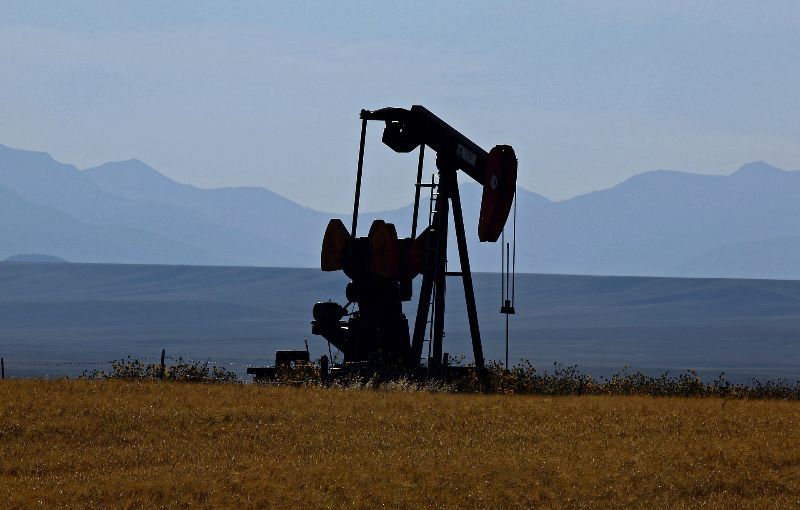
Oil prices have increased more than 4% amid hopes of decreasing production in oil-producing nations and stimuli from central banks.
Go deeper with GlobalData


Discover B2B Marketing That Performs
Combine business intelligence and editorial excellence to reach engaged professionals across 36 leading media platforms.
Last week, oil prices hit their lowest point since January 2019 due to the outbreak of coronavirus. The expectation of decreased production has counter-acted demand worries.
According to Reuters, Brent crude was up $2.24 to $51.91 per barrel, an increase of 4.5%. Meanwhile, US West Texas Intermediate (WTI) futures jumped by $1.89 to $43.32 a barrel.
The Organisation of the Petroleum Exporting Countries (OPEC) has proposed extending production cuts to the second quarter this year. However, some members are pushing for deeper cuts to help raise oil prices.
The OPEC+ Group, consisting of OPEC members and allies such as Russia, is already cutting oil output by 1.7 million bpd under a deal which runs until the end of this month.
US Tariffs are shifting - will you react or anticipate?
Don’t let policy changes catch you off guard. Stay proactive with real-time data and expert analysis.
By GlobalDataFitch Solutions analysts said: “Inaction by OPEC+ would likely trigger another potentially severe bout of selling.”
Meanwhile, the death toll from the virus has increased to more than 3,000 as of the end of 01 March.
The recoveries have increased to about 45,000, while the total confirmed cases worldwide have increased to over 89,000.
Reuters quoted Goldman Sachs global commodities research head Jeffery Currie as saying: “The unprecedented disruption to economic activity in China has resulted in an estimated 4 million barrels per day of lost oil demand, compared to 5 million barrels per day during the Great Recession in 2008/09.”
Currie also said storage capacity in China is quickly filling up, causing further risk of storage being breached.


