
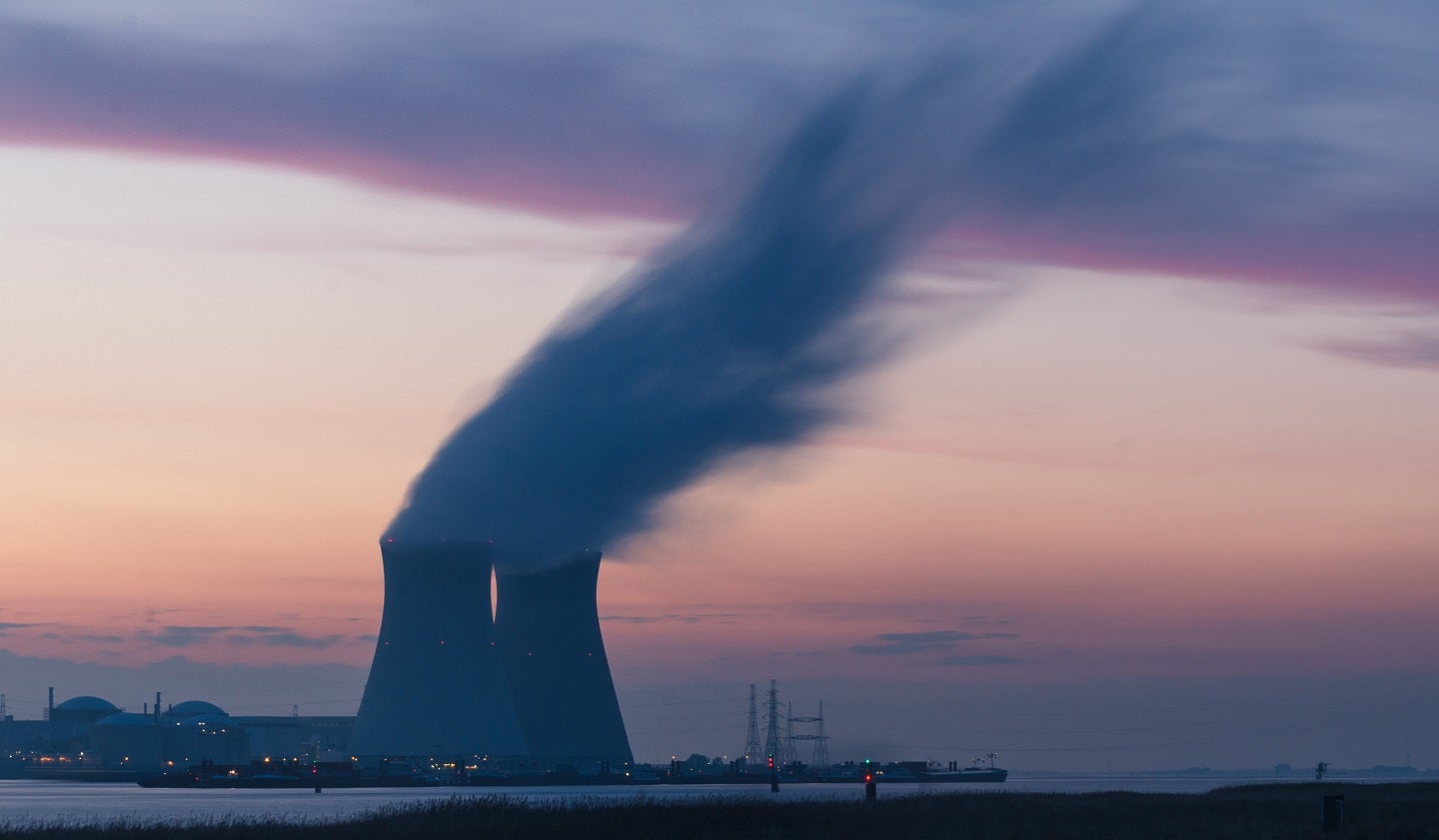
Harbour Energy has teamed up with bp to develop the Viking CCS transportation and storage project.
The agreement gives bp a 40% non-operated stake in Viking CCS project, which is located in the depleted Viking gas field, in the Humber region.
Go deeper with GlobalData


Discover B2B Marketing That Performs
Combine business intelligence and editorial excellence to reach engaged professionals across 36 leading media platforms.
Harbour Energy will continue to operate the project with a 60 % stake.
bp executive vice president of Gas and Low Carbon Energy, Anja Dotzenrath said: “We’re extremely excited to be joining Viking CCS, a project which can play an instrumental role in helping to decarbonise the UK and providing CO₂ transport and storage as a service to emitters across industry sectors and geographies, including as a future CO₂ shipping destination.”
The project is said to the potential to meet nearly 33% of the UK Government’s target to capture and store up to 30 million tonnes of CO₂ a year by the end of this decade.
Harbour Energy noted that the delivery of the Viking project can attract about £7bn in investment over the next decade across the full CO₂ capture, transport, and storage value chain. It can potentially generate more than 10,000 jobs during the construction period.
The agreement comes amidst the UK government’s recent decision to begin Track 2 of its CCS cluster sequencing procedure.
Harbour Energy CEO Linda Cook commented: “We welcome the UK government’s recent announcement about the launch of Track 2 and the addition of bp as a partner to this transformational project.”
A final investment decision on the project is anticipated in 2024, subject to the results of the Track 2 Cluster Sequencing Process.
The project may be fully operational by 2030, and store up to 10 million tonnes of CO₂ annually, with access to a planned new CO₂ shipping terminal at Associated British Ports’ Port of Immingham.


