
Germany-based Wintershall has joined the international initiative launched by World Bank to end the flaring of associated gas during routine oil production operations by 2030.
The ‘Zero Routine Flaring by 2030’ initiative was launched on 17 April by United Nations Secretary-General Ban Ki-moon and World Bank president Jim Yong Kim.

Discover B2B Marketing That Performs
Combine business intelligence and editorial excellence to reach engaged professionals across 36 leading media platforms.
The initiative was joined by governments, oil producers and development organisations, who have agreed to cooperate to eliminate routine flaring.
Wintershall CEO Mario Mehren said: "Using resources efficiently and combining long-term economic success with environmental and social responsibility have priority for Wintershall.
"With its no flaring policy, Wintershall has set a strong signal for responsible and sustainable business practices in recent years."
Wintershall already met the initiative goals in 2012 and eliminated the flaring of around 500 million cubic metres of associated gas during oil production. It also modernised all existing installations.
With its partnership, the company wants to encourage more companies and countries to participate in the initiative.
By eliminating flaring during routine operations, the company is minimising CO2 emissions by up to two million tonnes a year, which represents around 60% of the previous total emissions it produced.
Wintershall invested in new technology at the production sites and uses the associated gas in diverse ways to achieve the reduction.
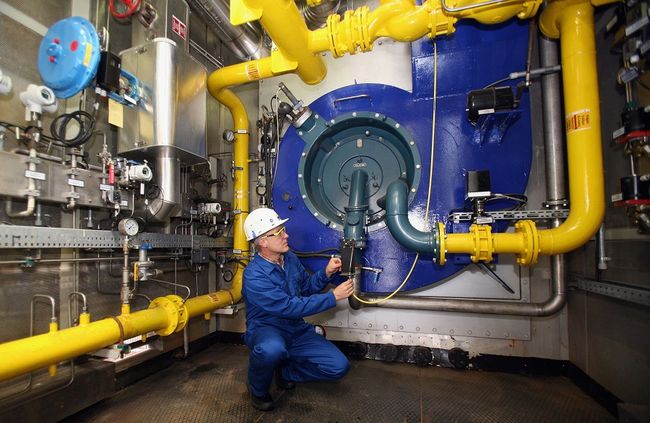
Image: In Emlichheim, Germany, the associated gas is used, for example, for generating electricity, heat and steam. Photo: © Wintershall Holding.


