
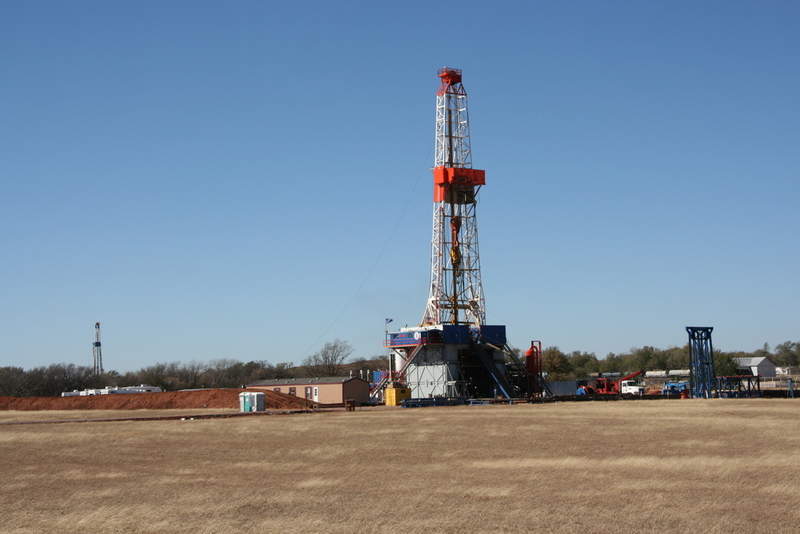
Oil prices have increased after US operators suspended drilling for production and impending sanctions on Iran are expected to result in supplying a crunch in the markets.
Brent crude futures jumped 64 cents, or 0.8%, to touch $77.46 per barrel, while US West Texas Intermediate (WTI) crude futures soared 48 cents, or 0.7%, to trade at $68.23, Reuters reported.
Go deeper with GlobalData


Discover B2B Marketing That Performs
Combine business intelligence and editorial excellence to reach engaged professionals across 36 leading media platforms.
Last week, the number of US oil rigs dropped by two, bringing the total count to 860, according to Baker Hughes.
Prices were also supported by new sanctions on Iran crude exports by the US set to be implemented from November.
Energy consultancy FGE said as a result of pressure from the US administration, several countries such as India, Japan, and South Korea have already started reducing crude imports from Iran.
In a statement, FGE was quoted by the news agency as saying: “Governments can talk tough. They can say they are going to stand up to Trump and/or push for waivers.
“But generally the companies we speak to say they won’t risk it.
“US financial penalties and the loss of shipping insurance scares everyone.”
Meanwhile, a rocket attack on Basra airport in Iraq has caused concerns of supply disruptions.
Analysts are projecting a tighter oil market outlook given the decline in the US rig activity and looming sanctions on Iran.
Emirates NBD bank commodity analyst Edward Bell said: “Investors have largely turned positive again, likely welcoming the return of backwardation.”
Meetings between US Energy Secretary Rick Perry and his counterparts from Saudi Arabia and Russia have been arranged this week to ask the major producers to increase production.


