
Chevron has been granted a patent for a method to synthesize MRE molecular sieves using a specific organic structure directing agent. The method involves preparing a reaction mixture with specific components and subjecting it to crystallization conditions. The patent aims to improve the synthesis process for these sieves. GlobalData’s report on Chevron gives a 360-degree view of the company including its patenting strategy. Buy the report here.
Smarter leaders trust GlobalData


Discover B2B Marketing That Performs
Combine business intelligence and editorial excellence to reach engaged professionals across 36 leading media platforms.
According to GlobalData’s company profile on Chevron, Anti-wear lubricants was a key innovation area identified from patents. Chevron's grant share as of March 2024 was 70%. Grant share is based on the ratio of number of grants to total number of patents.
Method for synthesizing mre molecular sieves using 1-ethylpyridinium cation
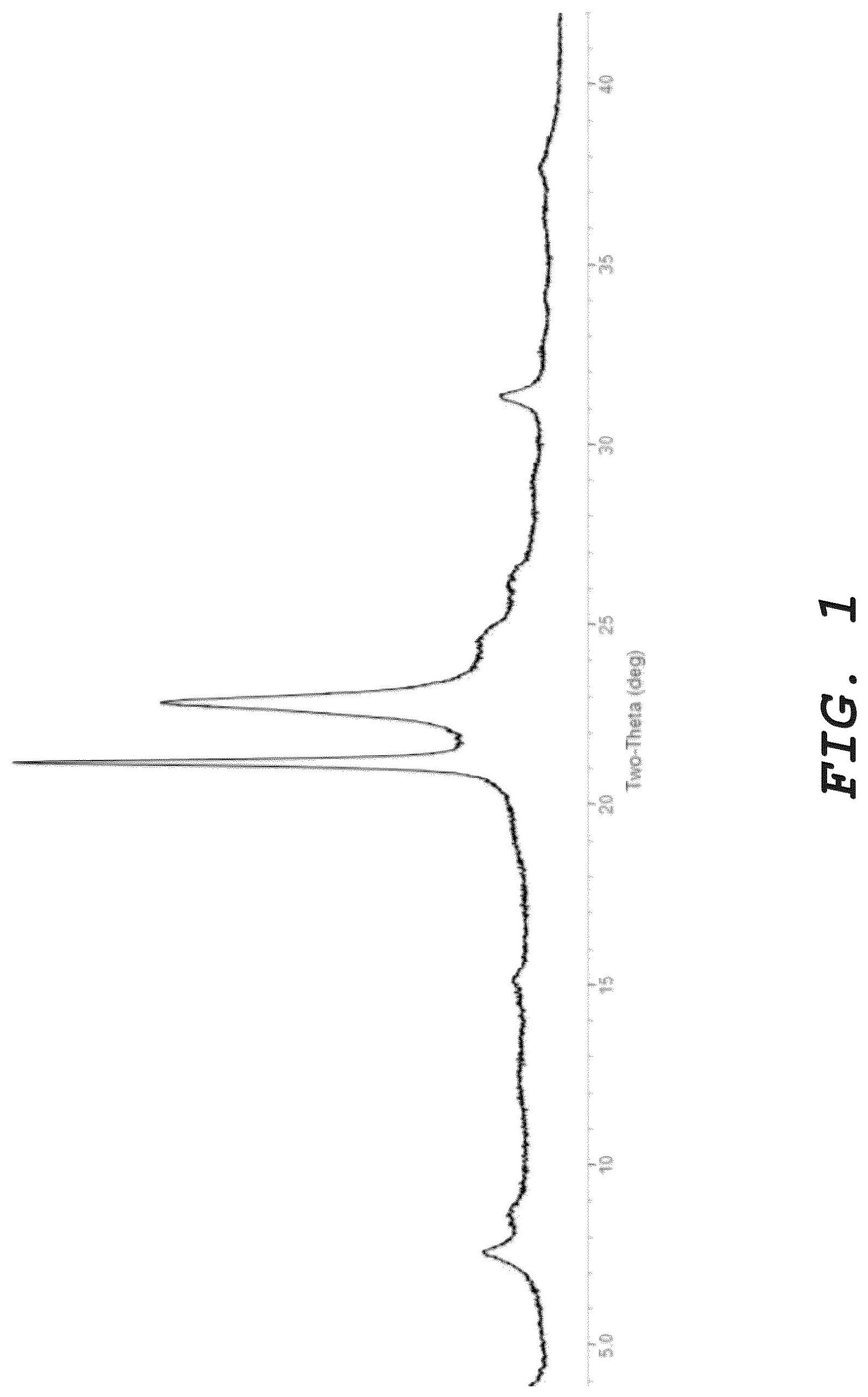
A recently granted patent (Publication Number: US11964875B2) discloses a method for synthesizing an aluminosilicate molecular sieve of *MRE framework. The method involves preparing a reaction mixture containing a silicon atom source, an aluminum atom source, an organic structure directing agent, an alkali metal source, a source of hydroxide ions, and water. The reaction mixture is then subjected to crystallization conditions to form crystals of the aluminosilicate molecular sieve of *MRE framework. Importantly, the source of both the silicon atom and the aluminum atom is a Y-zeolite, highlighting a specific aspect of the synthesis process.
Furthermore, the patent outlines specific details regarding the composition of the reaction mixture in terms of molar ratios, as well as the crystallization conditions required for the synthesis process. The temperature for the crystallization conditions ranges from 100°C to 200°C, with a crystallization time varying from about 1 day to 21 days. These parameters are crucial for achieving the desired outcome of forming crystals of the aluminosilicate molecular sieve of *MRE framework. Overall, the method described in the patent provides a detailed and systematic approach to synthesizing this specific type of molecular sieve, offering potential applications in various industrial processes where such materials are utilized.
To know more about GlobalData’s detailed insights on Chevron, buy the report here.
Data Insights
From

The gold standard of business intelligence.
Blending expert knowledge with cutting-edge technology, GlobalData’s unrivalled proprietary data will enable you to decode what’s happening in your market. You can make better informed decisions and gain a future-proof advantage over your competitors.

GlobalData, the leading provider of industry intelligence, provided the underlying data, research, and analysis used to produce this article.
GlobalData’s Patent Analytics tracks patent filings and grants from official offices around the world. Textual analysis and official patent classifications are used to group patents into key thematic areas and link them to specific companies across the world’s largest industries.

