
TransCanada has filed a preliminary project description with Canada’s National Energy Board for its C$12bn Energy East oil pipeline.
The filing is the first formal step in obtaining regulatory approval to build and operate the 4,600km pipeline which will carry 1.1 million barrels of crude a day from Alberta to Quebec and New Brunswick.

Discover B2B Marketing That Performs
Combine business intelligence and editorial excellence to reach engaged professionals across 36 leading media platforms.
TransCanada has said that it will ask to mandate a separate strategic environmental review from the next Quebec government for the project.
As part of this, some of TransCanada’s existing natural gas mainline will be converted to oil service between Alberta and Quebec, and the laying of new pipe will take place later on.
The company has consulted 500 communities and 5,500 landowners since early 2013. Of the 155 First Nations and Metis communities met so far, 56 have signed letters of agreement.
According to Canadian non-profit think tank Pembina Institute’s report released in February, the proposed Energy East pipeline would enable a significant increase in Canada’s greenhouse gas emissions.
US Tariffs are shifting - will you react or anticipate?
Don’t let policy changes catch you off guard. Stay proactive with real-time data and expert analysis.
By GlobalDataThe report revealed that producing the crude needed to fill the pipeline is expected to generate up to 32 million tonnes of additional greenhouse gas emissions annually.
Filling the pipeline would help spur 650,000 to 750,000 barrels per day of additional production from the oilsands.
A full regulatory filing for the line, expected to be in service in 2018, is set to come later this year.
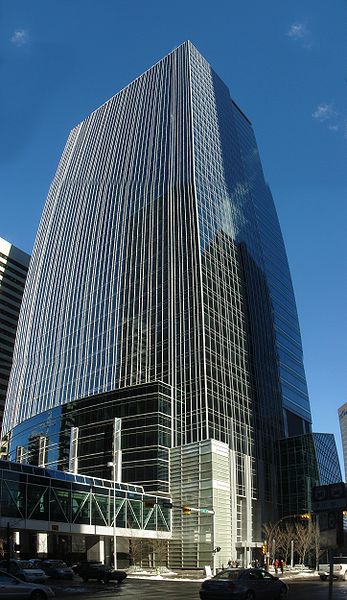
Image: TransCanada’s head office in Calgary. Photo: courtesy of Qyd



