
The US Environmental Protection Agency (EPA) is set to announce new steps to cut methane emissions from new and existing sources in the oil and gas sector.
The latest move is being finalised by the agency and is meant for new, modified and reconstructed sources. It is also part of an effort to curb methane, volatile organic compounds (VOCs) and toxic air emissions in the industry.

Discover B2B Marketing That Performs
Combine business intelligence and editorial excellence to reach engaged professionals across 36 leading media platforms.
It is also part of the administration’s strategy under President Obama’s climate action plan to reduce methane emissions.
These steps will help the administration to achieve its goal of cutting methane emissions by 40 to 45% from 2012 levels by 2025.
EPA is also planning to issue an information collection request (ICR) for public comment, a process aimed at controlling emissions from existing sources.
ICR requires companies to provide the information, which can be used by EPA to reduce methane emissions from existing oil and gas sources.
EPA administrator Gina McCarthy said: "Today, we are underscoring the administration’s commitment to finding common sense ways to cut methane, a potent greenhouse gas fuelling climate change, and other harmful pollution from the oil and gas sector.
"Together, these new actions will protect public health and reduce pollution linked to cancer and other serious health effects, while allowing industry to continue to grow and provide a vital source of energy for Americans across the country."
Nearly one-third of methane emissions will come from oil production and the production, transmission and distribution of natural gas.
The final standards will also reduce VOC emissions from sources not covered in the agency’s 2012 rules, which include hydraulically fractured oil wells.
These standards are expected to reduce 510,000 short tonnes of methane and 210,000 short tonnes of ozone-forming VOCs in 2025, along with 3,900t of air toxics, such as benzene, toluene, ethylbenzene and xylene.
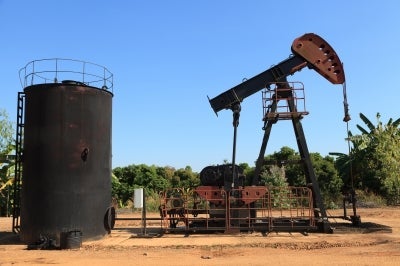
Image: EPA’s latest move is part of the administration’s strategy under President Obama’s climate action plan to cut methane emissions. Photo: courtesy of suwatpo / FreeDigitalPhotos.net.


