
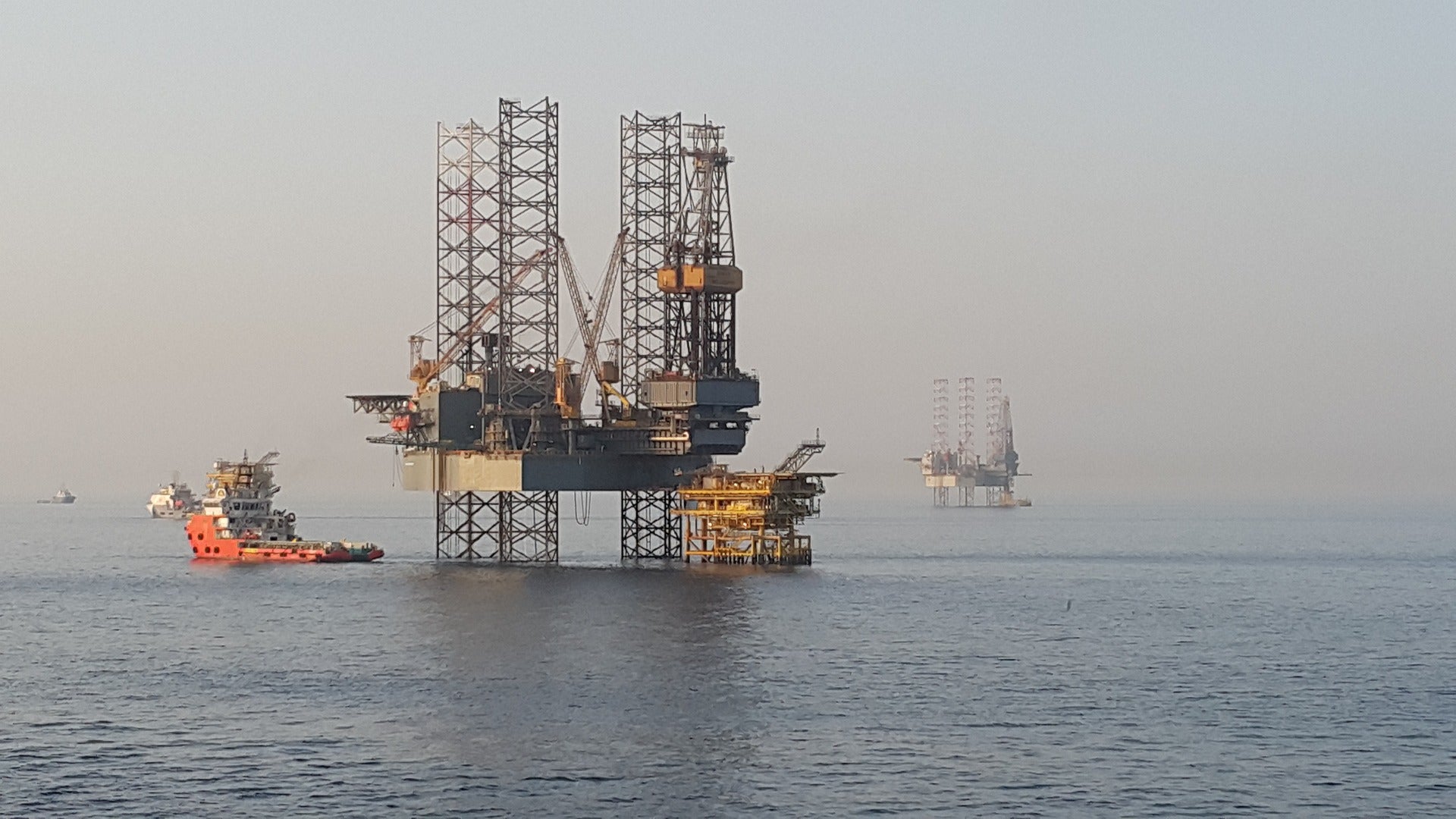
TotalEnergies and its partners are seeking environmental authorisation for the development of its gas discoveries offshore South Africa, according to a draft scoping report.
The move is part of the production right application in Block 11B/12B, reported Bloomberg News, citing the report.
Go deeper with GlobalData


Discover B2B Marketing That Performs
Combine business intelligence and editorial excellence to reach engaged professionals across 36 leading media platforms.
A joint venture encompassing TotalEnergies EP South Africa (TEEPSA), QatarEnergy, Canadian Natural Resources International (South Africa), and South African consortium MainStreet 1549, held an exploration over Block 11B/12B.
To date, the exploration programme on the south-western part of Block 11B/12B has resulted in gas and associated condensates discoveries in the Paddavissie fairway, including the Brulpadda and Luiperd discoveries. These discovered areas are known as the project development areas.
TEEPSA plans to develop the Paddavissie fairway upon securing production rights and upon signing commercial agreements for the sale of gas into the domestic market.
The application for the production rights has been submitted for an area that is smaller than the exploration right area.
US Tariffs are shifting - will you react or anticipate?
Don’t let policy changes catch you off guard. Stay proactive with real-time data and expert analysis.
By GlobalDataTo bring the newly proven gas and associated condensate reserves into production, TEEPSA is required to drill up to six offshore production and appraisal wells in the project development area.
The firm will also connect the offshore wells by installing subsea manifolds and flowlines. It will connect manifolds and flowlines via a subsea production pipeline to the existing PetroSA F-A Platform at the Block 9 offshore field.
The report states: “The proposed project will also allow for the opportunity to diversify South Africa’s energy sources, and reduce the country’s vulnerability and dependence on imports for its energy requirements.”
In addition, the project is expected to revive the life of the F-A Platform and associated infrastructure by up to 20 years.


