Saudi Aramco reports 37.9% decline in Q2 2023 net income
Aramco will pay the second-quarter dividend of $19.5bn in the third quarter.

09 August 2023
09 August 2023
Aramco will pay the second-quarter dividend of $19.5bn in the third quarter.

The government plans to initiate talks with indigenous groups along the pipeline’s route and shipping corridor.
The approval secures the future operation of the Snøhvit field and the Hammerfest LNG plant on the island of Melkøya.
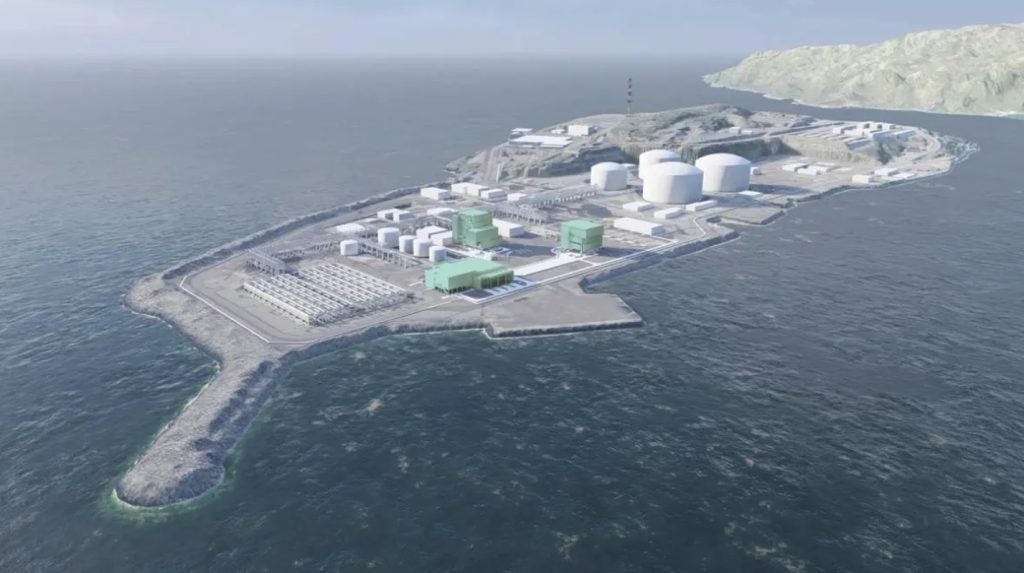
When fully operational, the facility will be able to generate up to 1.4 million tonnes of LNG annually.
Strathcona will acquire 100% of Pipestone Energy in an all-share combination. The resultant company will continue as Strathcona Resources.
The Dominican Republic Government could own a majority stake of at least 51% in the refinery project.
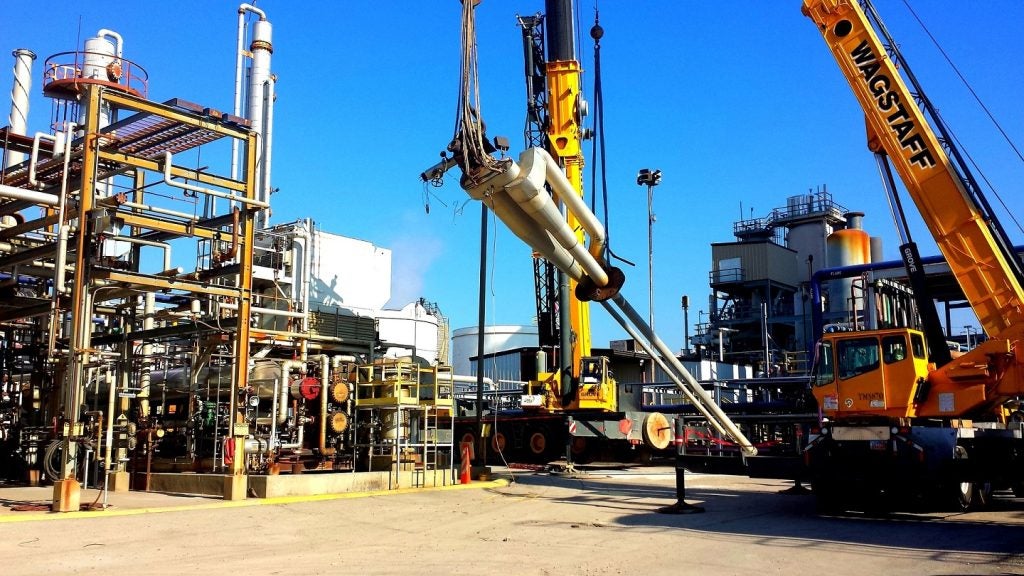
From the deal’s effective date, LNG JAPAN will also compensate Woodside for its share of expenses related to the gas project.
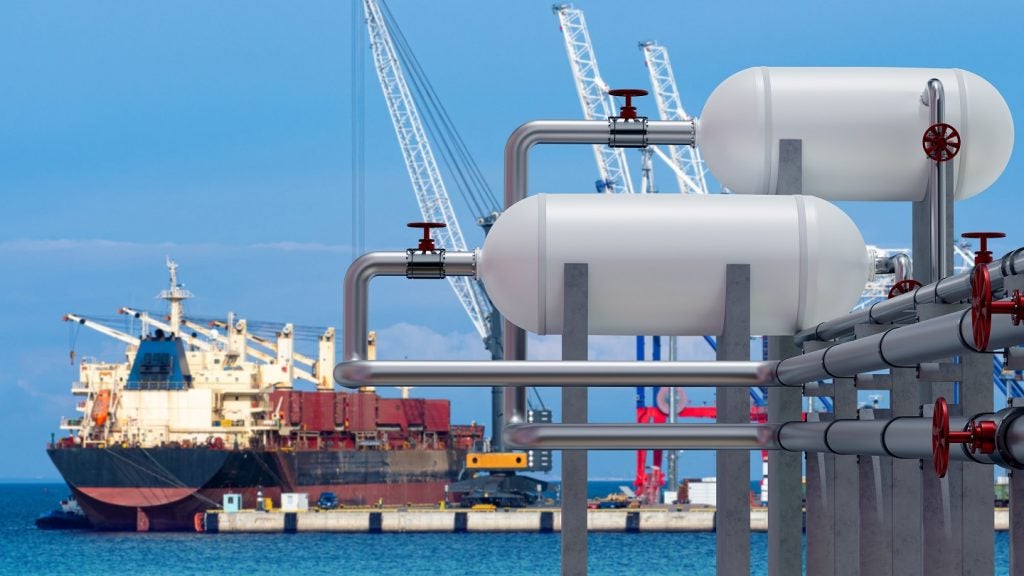
The alliance aims to explore possible collaborations for the proposed Bayu-Undan CCS project.
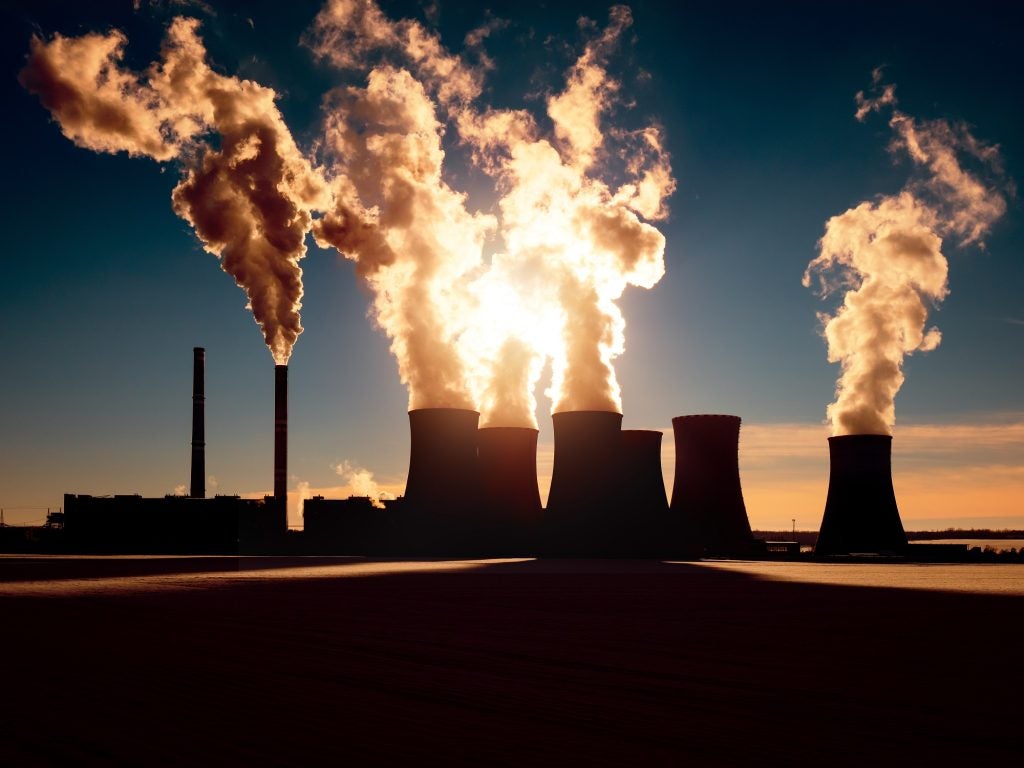

The Excellence Awards celebrate the greatest achievements and innovations in the industry. The programme provides a platform to recognise the people and companies that are driving change. Don’t miss the opportunity to become one of them. View the research guide with entry details below.

ESG is moving into a different era, which we call ESG 2.0. While ESG 1.0 was driven by voluntary corporate action, spurred by pressure from activist consumers and investors, ESG 2.0 is being driven by a new wave of government policies. The EU has taken the regulatory lead, with rules introduced or in the pipeline that will price emissions, regulate the use of the terms ‘ESG’ and ‘sustainability’ in marketing materials, and make ESG reporting mandatory. The US has taken a different approach, favoring less regulation and more financial support in the form of tax breaks for clean industry (renewables plus nuclear and hydrogen). China is planning to expand its emissions trading system to more sectors, decarbonize its heavy industry, and ramp up its use of renewables. The new policy direction is mainly motivated by the ambition to hit net zero emissions targets. But on top of this, governments are now competing for clean industry and trying to challenge China’s leadership on the production of the world’s green technologies such as solar panels and batteries, as well as the production and refinement of materials needed for energy transition such as lithium. These driving forces are leading to policy that will impact every sector, not just heavy industry, and will keep ESG near the top of the regulatory agenda over the longer term.

Give your business an edge with our leading industry insights.