The oil and gas sector in Iraq's semi-autonomous Kurdistan region faces a significant setback following a series of drone strikes.
The attacks, which occurred over three consecutive days, have led to a substantial reduction in crude oil production, with estimates indicating a cut of 140,000–150,000 barrels per day (bpd), according to a Reuters report.
The perpetrators of the attacks have not been identified and no group has claimed responsibility.
The Kurdistan region's Ministry of Natural Resources highlighted the severity of the situation, noting that the strikes caused considerable damage to infrastructure and posed a threat to civilian workers' safety.
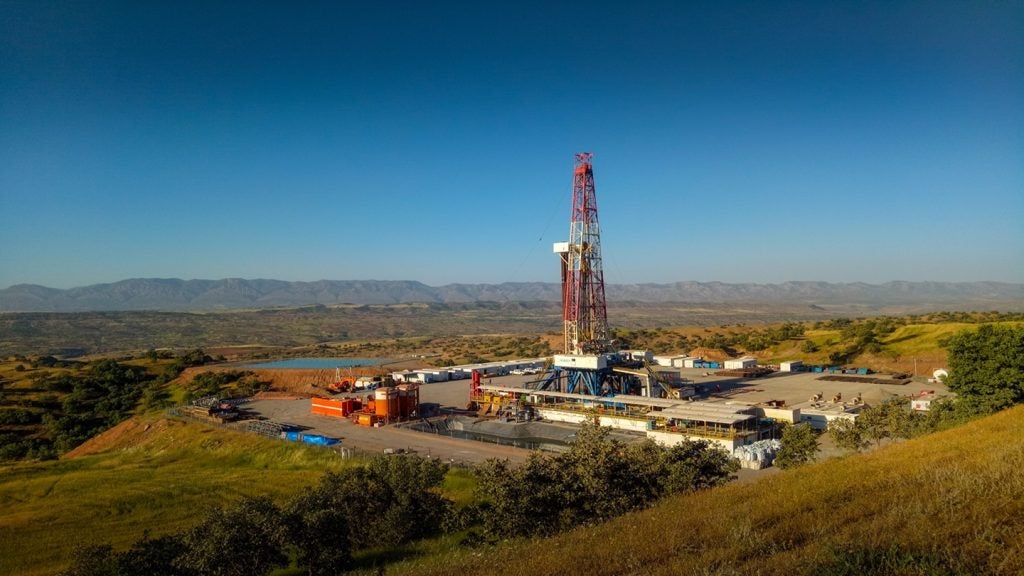
The ministry reported that “a number of terrorist attacks were carried out by a bomb-dropping drone on the oilfields of Tawke, Peshkabour and Ain Sifni”.
DNO, the Norwegian company that operates the Tawke and Peshkabour fields, confirmed the temporary suspension of production at these sites following the explosions.
The company said in a statement: “Operations at its Tawke licence in the Kurdistan region of Iraq have been temporarily suspended following three explosions early this morning, one involving a small storage tank at Tawke and the other involving surface processing equipment at Peshkabir.
“There have been no injuries. The damage assessment is under way and the company expects to restart production once the assessment is completed.”
The Ain Sifni oilfield, operated by US-based Hunt Oil, also fell victim to an attack in the Dohuk region of northern Iraq.
This incident follows a drone attack that disrupted production at the Sarsang oilfield just hours before its US operator was set to sign a development deal with Iraq.
APIKUR, a consortium of eight oil companies in Iraqi Kurdistan, announced that most of its members, including those not directly targeted, have halted production to assess the damage to production and field facilities.
Gulf Keystone Petroleum, which operates the Shaikan field, one of Kurdistan's largest oil discoveries, has ceased production due to the proximity of the attacks.
“As a safety precaution, GKP has decided to temporarily shut-in production and has taken measures to protect staff. The company's assets have not been impacted. The company is closely monitoring the situation and will provide further updates as appropriate,” Gulf Keystone stated.
Furthermore, Iraq's Oil Ministry has declared recent energy agreements between the Kurdistan Government and US companies HKN Energy and WesternZagros, valued at $110bn (ID144.17trn) over their lifetime, as “null and void”.
This move exacerbates the ongoing dispute over resource control between the central Iraqi Government and the Kurdistan region.