The International Energy Agency (IEA) has released its latest quarterly Gas Market Report, forecasting a rebound in global natural gas demand growth by 2026.
The report provides analyses the supply, demand and trade of natural gas for 2025 and 2026, indicating a temporary slowdown followed by an acceleration in demand.
In the first half of 2025, market fundamentals remained tight due to reduced Russian piped gas exports to the EU, modest growth in liquefied natural gas (LNG) output and increased storage injection needs in Europe.
Europe saw a 6.5% year-over-year increase in natural gas consumption, mainly supported by the electricity sector due to reduced power generation from wind and hydro sources.
This trend, while not indicative of a long-term shift, underscores the crucial role of gas-fired power plants in maintaining electricity supply security, especially in markets with a high reliance on variable renewables.
In contrast, China's natural gas demand fell by an estimated 1% year-over-year, with a significant drop of more than 20% in the country's LNG imports.
Meanwhile, North America experienced an estimated 2.5% increase in natural gas demand compared to the same period in the previous year, with growth concentrated in the first quarter due to colder weather increasing gas usage in buildings.
Amid these conditions and heightened macroeconomic uncertainty, global natural gas demand growth is expected to slow from 2.8% in 2024 to approximately 1.3% in 2025.
The anticipated growth for 2025 is largely driven by North America and Europe, while the Asia-Pacific region is forecasted to experience its weakest annual rate of consumption growth since the energy crisis in 2022, largely due to sensitivity to higher prices.
The IEA's report predicts a resurgence in global demand growth by 2026, with an expected acceleration to around 2% as a significant increase in LNG supply eases market conditions and stimulates stronger demand growth in Asia.
IEA director of energy markets and security Keisuke Sadamori said: “The backdrop for global gas markets is shifting as we enter the second half of this year and look towards 2026. The wave of LNG supply that is set to come online is poised to ease fundamentals and spur additional demand, especially in Asia.
“However, our latest forecast is subject to unusually high levels of uncertainty over the global macroeconomic outlook and the volatile geopolitical environment. The IEA continues to monitor gas markets closely and to work with stakeholders around the world to support security of supply.”
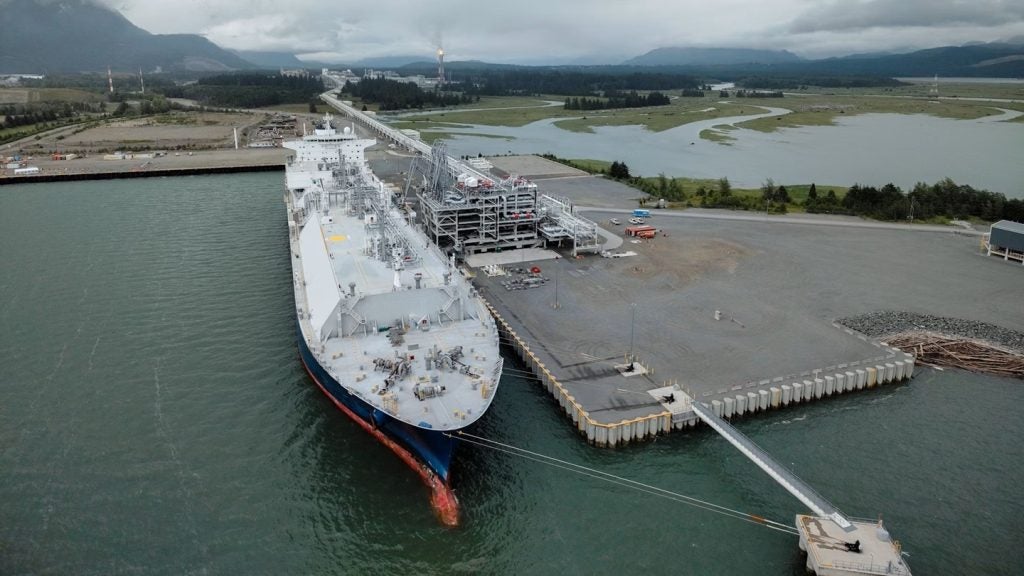
In 2026, LNG supply is projected to increase by 7%, or 40 billion cubic metres, the largest increase since 2019, with new projects coming online in the US, Canada and Qatar.
Furthermore, the IEA recently announced expectations for continued global oil demand growth until the end of this decade.
The Oil 2025 Report indicates a sustained rise in oil consumption, influenced by factors such as lower gasoline prices and a slower transition to electric vehicles in the US.
Global oil demand is projected to increase by 2.5 million barrels per day (mbbl/d) between 2024 and 2030, reaching a plateau of around 105.5mbbl/d by the decade's end.