
The International Energy Agency (IEA) has indicated that global oil supply is set to increase more swiftly this year, with a surplus potentially growing by 2026.
This is due to both OPEC+ members boosting their output and the growth of supply from non-OPEC+ countries.
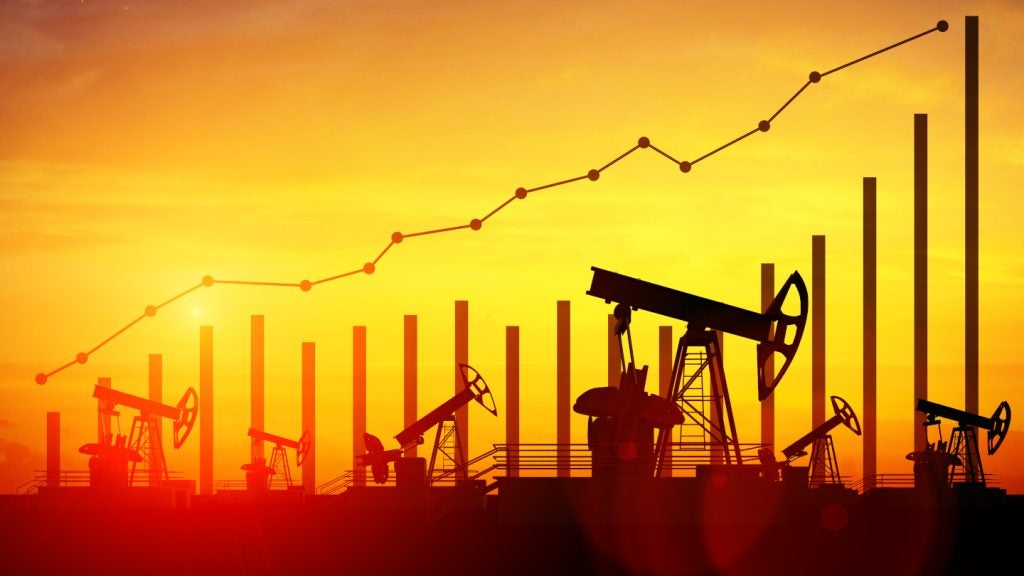
The IEA, which provides guidance to industrialised nations, noted a projected supply rise of 2.7 million barrels per day (mbbl/d) to 105.8mbbl/d by 2025, and an additional increase of 2.1mbbl/d to 107.9mbbl/d the following year.
The OPEC+ group, comprising the eight countries of Algeria, Kazakhstan, Kuwait, Iraq, Oman, Russia, Saudi Arabia and the United Arab Emirates, has agreed to augment its production.
Following a decision on 7 September to commence unwinding its second tranche of supply cuts, the group plans to elevate its output target by 137,000 barrels per day (bpd) in October.
At this rate, it would take one year to fully implement the 1.65mbbl/d tranche of cuts, leaving 2mbbl/d of cuts still in place.
The IEA's analysis suggests that supply is increasing much faster than demand, even though it has revised its global demand growth forecast this year to 740,000bpd, highlighting strong deliveries in advanced economies.
The IEA said: "Oil markets are being pulled in different directions by a range of forces, with the potential for supply losses stemming from new sanctions on Russia and Iran coming against a backdrop of higher OPEC+ supply and the prospect of increasingly bloated oil balances.”
Benchmark crude oil prices experienced a decline last month, with ICE Brent futures dropping by approximately $2 per barrel (bbl) month-on-month to $67/bbl.
The IEA anticipates that global inventories will see an "untenable" average increase of 2.5mbbl/d in the second half of 2025, as supply substantially exceeds demand.
Additionally, China's continued stockpiling of crude is contributing to keeping Brent crude prices for immediate delivery higher than those for future contracts, a market condition referred to as backwardation.
IEA added: "There are a number of potential twists and turns ahead – including geopolitical tensions, trade policies and additional sanctions on Russia and Iran – that could yet alter market balances.”