The US Government has scrapped plans to sell offshore oil and gas leases along the US East Coast following concerns raised by Republican leaders in the south-east, Bloomberg reported, citing people familiar with the matter.
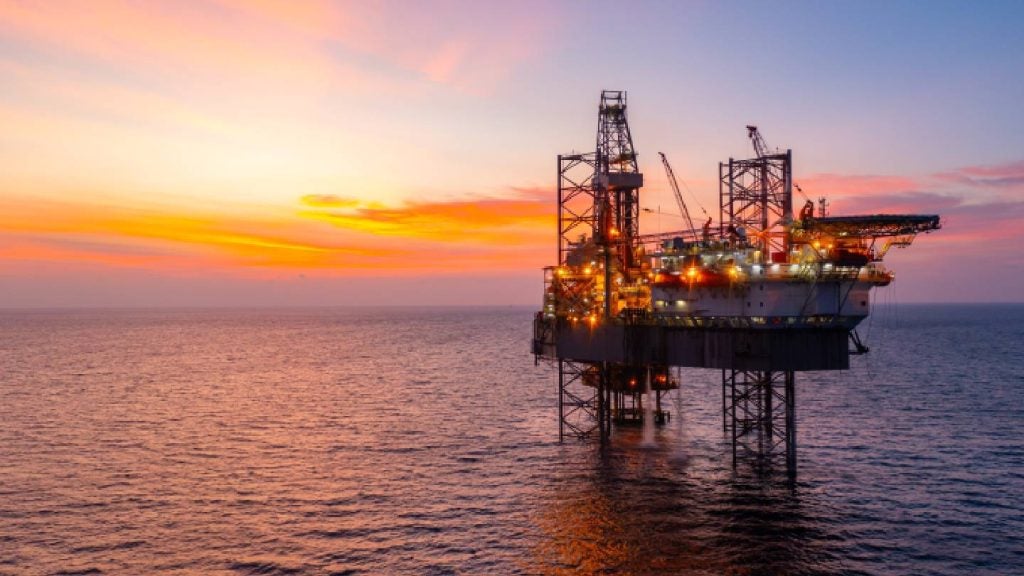
Previously, the administration had considered a broader strategy for offshore drilling rights, which included potential sales from the Gulf of Mexico (GoM) to the Atlantic.
However, the proposal sparked immediate criticism from environmental groups and Republican stakeholders, who feared its negative impact on tourism in the region.
This concern mirrors the challenges faced during President Trump’s first term when a similar initiative to open the Atlantic for drilling was abandoned due to widespread opposition.
The draft programme from the Interior Department may still undergo revisions before its public release, with officials expected to advance the proposal in a few weeks.
This marks the initial step in a lengthy process to establish a new five-year schedule for offshore oil and gas leasing.
Federal law mandates that these offshore leasing programmes undergo extensive public comment and congressional review, suggesting that any ambitious initial plans will likely be scaled back.
While the administration has opted to exclude the Atlantic from its leasing plans for now, it continues to prepare for potential sales in the GoM, as well as in waters off the US West Coast and Alaska.
Trump has referred to the GoM as the Gulf of America.
The proposed Atlantic drilling initiative faced strong opposition from nearly 150 municipalities and coastal state leaders during Trump’s first term.
Environmental activists argue that expanding oil and gas production is incompatible with climate change efforts, citing potential threats to marine ecosystems.
In contrast, the oil industry has generally supported increased drilling opportunities, particularly in the Gulf.
However, interest in exploring new waters remains limited due to uncertain prospects and public resistance.