
Netherlands-based Shell and its affiliates plan to build two small-scale liquefaction units, which will supply liquefied natural gas (LNG) fuel to marine and heavy-duty on-road customers in North America.
The two units will allow the company to form LNG transport corridors in the Great Lakes and Gulf Coast regions.

Discover B2B Marketing That Performs
Combine business intelligence and editorial excellence to reach engaged professionals across 36 leading media platforms.
Shell is also planning to use natural gas as a fuel in its own operations.
Shell Oil president Marvin Odum said that natural gas is an abundant and cleaner-burning energy source in North America, while the company intends to use its LNG expertise and strength to make LNG a viable fuel option for the commercial market.
"We are investing now in the infrastructure that will allow us to bring this innovative and cost-competitive fuel to our customers," Odum added.
The company is planning to install a small-scale liquefaction unit in the Gulf Coast Corridor, which is located at Shell Geismar Chemicals facility in Geismar, Louisiana, US.
US Tariffs are shifting - will you react or anticipate?
Don’t let policy changes catch you off guard. Stay proactive with real-time data and expert analysis.
By GlobalDataThe unit will supply LNG to the onshore oil and gas exploration areas of Texas and Louisiana.
In addition, the company is planning to expand its existing relationship with Martin Energy Services, a wholly-owned subsidiary of Martin Resource Management (MRMC) for providing service to oil and gas and other industrial customers in Texas and Louisiana.
The company will install a small-scale liquefaction unit in the Great Lakes Corridor at its Shell Sarnia Manufacturing Centre in Sarnia, Ontario, Canada.
It will provide LNG fuel to five great lakes, to the bordering US states and Canadian provinces, as well as to the St. Lawrence Seaway.
The two new liquefaction units are expected to begin operations and production in about three years, subject to final regulatory consent.
Shell has also started transition process of its onshore drilling rigs and hydraulic fracturing spreads to reduce fuel costs and local emissions.
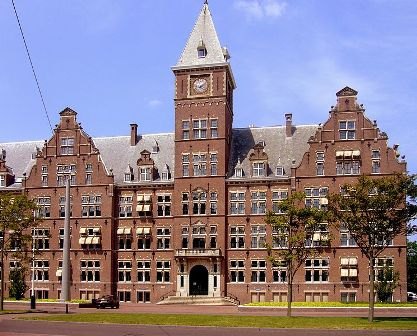
Image: Royal Dutch Shell head office, Carel van Bylandtlaan, The Hague. Photo: Courtesy of P.L. van Till.



