
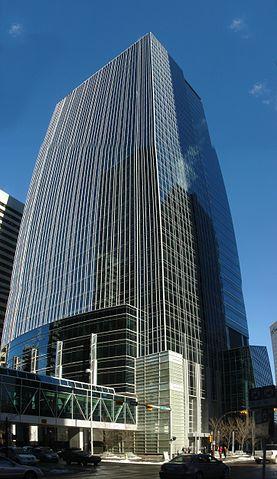
TransCanada has been selected by Shell Canada and its partners to build and operate a natural gas pipeline, estimated to cost $4bn, in British Columbia.

Discover B2B Marketing That Performs
Combine business intelligence and editorial excellence to reach engaged professionals across 36 leading media platforms.
The proposed Coastal GasLink project will be designed to move natural gas from the Montney gas-producing region near Dawson Creek, to a proposed LNG Canada liquefied natural gas export facility near Kitimat.
The joint venture project led by Shell also includes partners Korea Gas Corporation, Mitsubishi Corporation and PetroChina Company.
TransCanada president and chief executive officer Russ Girling said the company looks forward to having open discussions with Aboriginal communities and key stakeholder groups, including local residents, elected officials and the Government of British Columbia, where it will listen to feedback, build on the positive and seek to address any potential concerns.
"Coastal GasLink will add value to British Columbians, particularly Aboriginals and communities along the conceptual route, by creating real jobs, making direct investments in communities during construction, and providing economic value for years to come," Girling added.
US Tariffs are shifting - will you react or anticipate?
Don’t let policy changes catch you off guard. Stay proactive with real-time data and expert analysis.
By GlobalData"The potential Coastal GasLink pipeline project will allow British Columbians, and all Canadians, to benefit from the responsible development of valuable natural gas resources, and will provide access to new markets for that gas."
The pipelines are part of TransCanada’s NOVA Gas Transmission (NGTL) System.
Natural gas will be sourced from Montney, Horn River and Cordova basins and elsewhere from the Western Canada Sedimentary Basin.
The pipeline will run about 700km and will initially handle more than 1.7 billion cubic feet of gas per day upon completion.
It will provide options for shippers to access gas supplies through an interconnection with the NGTL System and the liquid NIT trading hub operated by TransCanada.
The final pipeline route will consider various factors like aboriginal and stakeholder input, the environment, archaeological and cultural values, land use compatibility, safety, constructability and economics.
Image: TransCanada Corporation is based in Calgary, Alberta, developing and operating energy infrastructure in North America.Photo:Qyd.


