
Cladtek Launches Programmes to Expand Opportunities for Women and Promote Diversity in the Energy Sector
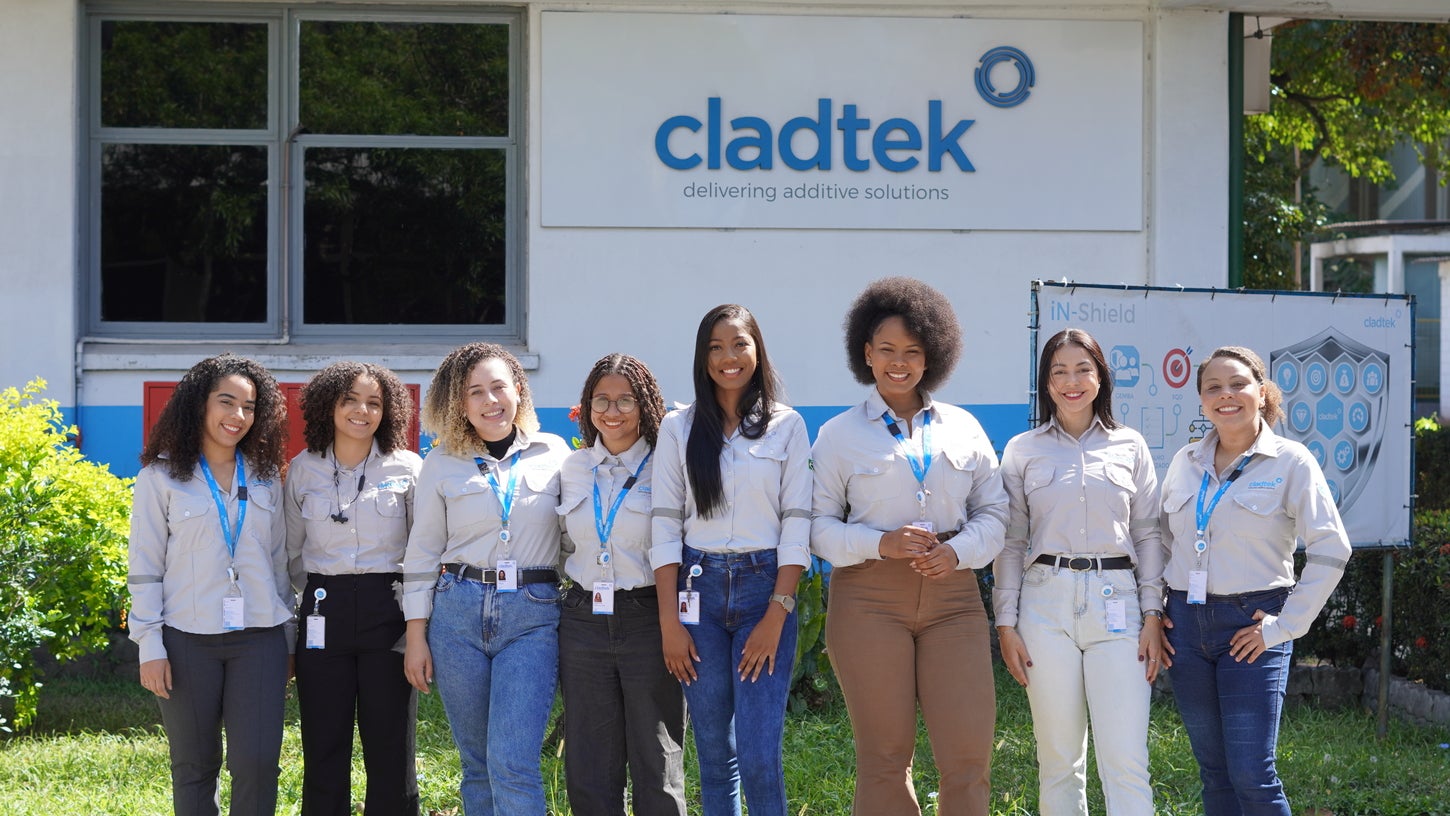
The energy sector has historically been marked by a predominance of men. However, new initiatives focused on diversity have been gaining ground in the market, contributing to the creation of more inclusive work environments for women. This movement has intensified in recent years, driven by companies that recognise gender equity as an institutional value.
Cladtek is one of the companies leading this transformation by promoting programs aimed at expanding women’s access to professional development within the sector. As a result, by the end of 2025, approximately 30% of the company’s global workforce was composed of women — a percentage expected to increase in 2026 amid recent hiring growth.
The increase in the number of female employees is the result of a structured plan based on three main pillars: expanding women’s access to opportunities in the industrial environment, investing in professional development and training, and strengthening an internal culture in which diversity is embedded in the company’s daily operations.
In Brazil, the Apprenticeship Program has already achieved a 41% female participation rate, opening doors for women entering the workforce for the first time. We’ve also had the successful implementation of the Cladtek Pulse Trainee Program, which focuses on technical and leadership development of women of colour who are engineering students or recent graduates.
Following these strong results, the company plans to adapt and scale these initiatives across other regions, tailoring our diversity programmes to suit the unique requirements of our locations throughout APAC and EMEA.
A structured approach to talent development
Materials engineer Juliana Fonseca participated in the first Pulse Program. The daughter of a welder, Juliana targeted a career in metallurgy and joined Cladtek to pursue this professional path.
“During the Pulse Program, the presence of female managers was immediate. It demonstrated that the company maintains female representation within its leadership positions,” Juliana said.
Cladtek has modified its recruitment processes to align with these institutional values. The company now utilises specialised recruitment teams focused on candidate profiling and has revised evaluation criteria to prioritise development potential over prior experience.
Following selection, candidates undergo a structured onboarding process that includes technical training, coaching sessions, and an operational integration plan. Throughout, Cladtek’s internal leadership maintains an accessible management style to facilitate ongoing dialogue and professional development.
“This selection and onboarding process was a real differentiator. It prioritised preparation and the exchange of experiences. Today, I am proud to tell everyone I know that I am part of the Pulse Program — an initiative through which Cladtek demonstrates the value of female participation in the industrial environment,” Juliana concluded.
Market leadership and knowledge sharing
Cladtek’s strategy focuses on structural changes to industrial organisation rather than simple access. Human Resources Director Luciana Caldas states that diversity correlates with increased safety, innovation, and operational efficiency. Consequently, the company is pursuing a long-term equity roadmap.
“The objective is for Cladtek to serve as an industry reference. Beyond pioneering diversity initiatives, the focus is on contributing to a shift in market culture,” Caldas said.
“This initiative extends beyond isolated equity targets to influence the broader energy, oil and gas market. We collaborate with other organisations to share our diversity frameworks, aiming to facilitate a broader shift in industry standards,” Caldas added.
Expansion of diversity initiatives
In the coming years, Cladtek intends to expand its diversity programmes by prioritising technical training, female leadership development, and the continuous audit of internal processes to ensure equity.
For Caldas, progress is also linked to professional collaboration. “It is essential for women to recognise their potential and operate with greater cohesion. Through collaborative efforts, it is possible to dismantle historical barriers. The strategy for those entering the sector is to prioritise professional growth and view peers as strategic allies,” she said.
“With the necessary technical preparation and confidence, it is possible to occupy any role within the sector,” Fonseca added.