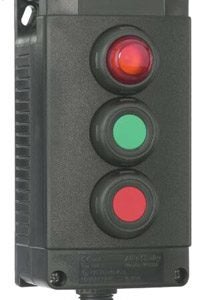
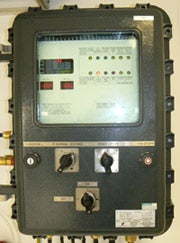
EXD IIB DOL & STAR DELTA Starters
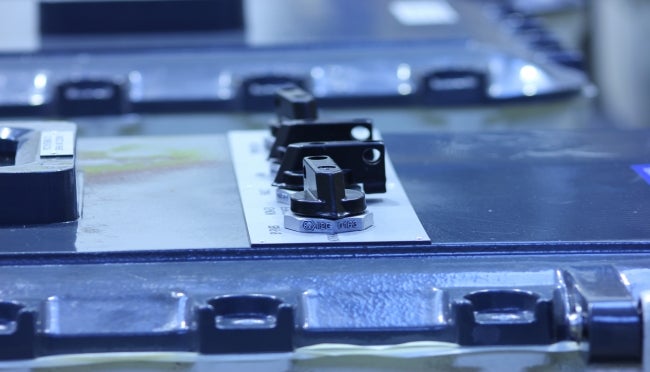
DOL motor starter is an electrical/electronic circuit composed of electromechanical and electronic devices which are employed to start and stop an electric motor. Regardless of the motor type (AC or DC), the types of starters differ depending on the method of starting the motor. A DOL starter connects the motor terminals directly to the power supply.
Hence, the motor is subjected to the full voltage of the power supply. Consequently, high starting current flows through the motor. This type of starting is suitable for small motors below 5hp (3.75kW). Reduced-voltage starters are employed with motors above 5hp. Although DOL motor starters are available for motors less than 150kW on 400V and for motors less than 1MW on 6.6kV. Supply reliability and reserve power generation dictate the use of reduced voltage.
Star Delta starters are probably the most common reduced voltage starters in the 50Hz world. (Known as Wye/Delta starters in the 60Hz world). They are used in an attempt to reduce the start current applied to the motor during start as a means of reducing the disturbances and interference on the electrical supply. The Star/Delta (or Wye/Delta) starter is one of the lowest-cost electromechanical reduced voltage starters that can be applied and this is why it has been so popular.