
Oil prices declined on Thursday 9 July as traders evaluated the effects of new US military actions against Iran, raising questions about future oil flows and negotiations to resolve the ongoing conflict.
By 07:49 GMT, Brent crude futures had dropped by $1.03, or 1.32%, to $76.99 a barrel (bbl), while US West Texas Intermediate (WTI) crude futures were down by $0.88, or 1.2%, reaching $72.64/bbl, reported Reuters.
Both the Brent and WTI benchmarks gained more than a dollar in late trading on Wednesday following the US military’s announcement of new assaults on Iranian targets.
These developments came after prices had earlier reached their highest level in more than two weeks amid escalating threats from US President Donald Trump, who warned of further action against Iran.
Prior to the latest escalation, oil prices had eased as the market dealt with increased Middle Eastern supply due to a temporary truce and signs that inventories were rising.
According to the US Energy Information Administration, domestic crude inventories rose last week for the first time since mid-April as exports slowed.
The US Central Command reported that US forces struck approximately 90 Iranian military targets. These included air defence systems, coastal surveillance sites, missile and drone storage facilities, naval assets and logistics infrastructure along the Iranian coast.
The strikes were described as an effort to keep the vital Strait of Hormuz open, following President Trump’s assertion that an interim deal to end the conflict was “over”.
Iran said it had targeted US military sites in Bahrain and Kuwait in retaliation for earlier strikes by Washington on its infrastructure.
Before hostilities intensified, around one fifth of the world’s oil and liquefied natural gas (LNG) passed through the Strait of Hormuz.
Tehran’s control over this critical waterway has been a significant factor in the conflict, which began with US and Israeli airstrikes against Iran on 28 February.
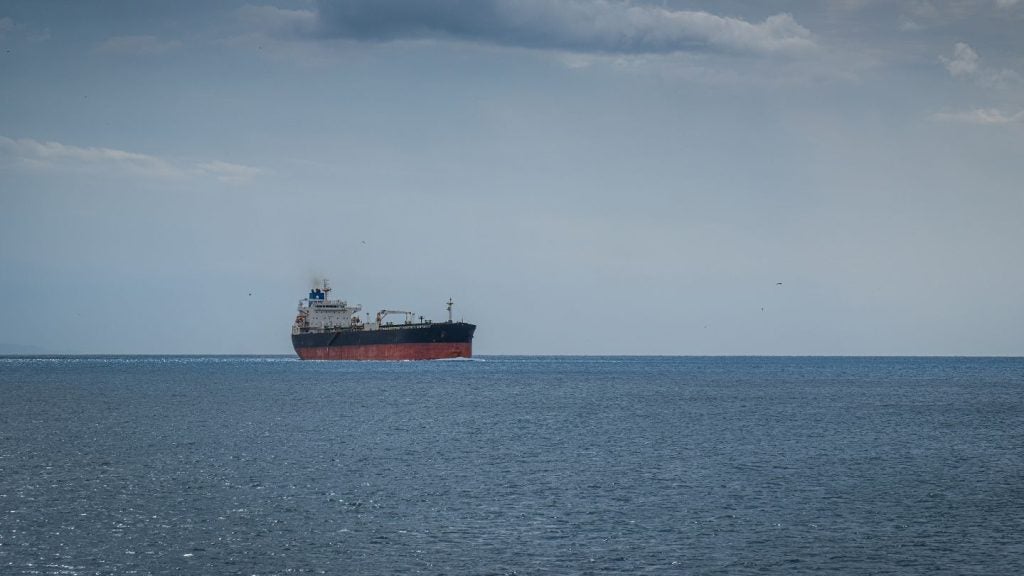
Shipping in the region has faced increased risks, with at least four oil and gas tankers turning back from attempting to transit the strait, according to ship-tracking data on 8 July.
A Qatari LNG tanker, the Al Rekayyat, was hit by a projectile overnight on Tuesday off Oman, resulting in a fire in its engine room, reported Reuters. All crew members were evacuated safely, and industry sources told the news agency that the risk of explosion was currently low as the cargo tanks remained intact.