Oil prices rose slightly on Friday following increased military action between the US and Iran in the Gulf region, with concerns mounting over potential disruptions to key oil transit routes, reported Reuters.
By 06:32 GMT, Brent crude futures had increased by $0.70 to $84.30 a barrel (bbl). Meanwhile, US West Texas Intermediate (WTI) futures had gained $0.16 to reach $79.11/bbl.
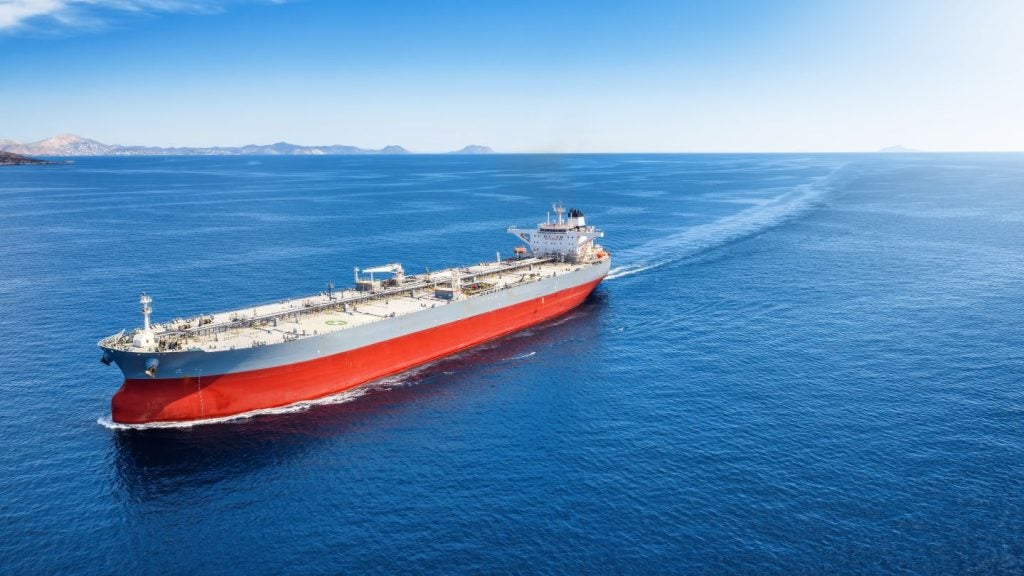
The increase comes as a truce between the two countries broke down earlier in the week, restricting oil flows from the Strait of Hormuz, a critical passage for global energy shipments.
US forces launched two major waves of air strikes near Iran's southern coast on Wednesday, the first such escalation since a memorandum of understanding (MoU) temporarily halted fighting last month.
Strikes continued through Thursday, according to US Central Command, which stated that US forces “began a new wave of strikes against Iran for the sixth consecutive night to further degrade Iranian military capabilities” at 2pm EDT (6pm GMT).
Reports also indicate that Iran has directed its Houthi allies to prepare to close the Red Sea oil route if key Iranian power infrastructure comes under attack by the US, three sources told the news agency.
Iran has resumed its blockade of the Strait of Hormuz, while US forces reimposed blockades at Iranian ports from Wednesday, reported Reuters.
The US has advised shipping to travel along the Omani coast instead of using the main channel near Iranian waters.
Iranian sources told Reuters that Iran aims to reinforce its control over the strait but is not seeking a wider escalation that could jeopardise the preliminary agreement reached in June.
Iran is also seeking to require ships to use a channel close to its coastline and has indicated plans to impose passage fees after a 60-day negotiation period, as set out in last month's MoU.
During the renewed exchanges, Qatar’s Defence Ministry reported intercepting an Iranian missile on Friday, while a child was injured by shrapnel, according to the country's Interior Ministry.
Tehran has also reportedly used drones and missiles in attacks on US bases in neighbouring countries, including a recent barrage targeting an expanded air base in Jordan.
Despite the escalation, Iran said it still views the earlier preliminary deal as meeting most of its objectives, even as traffic through the Strait of Hormuz remains restricted and global energy prices remain under pressure.