
The Organisation of the Petroleum Exporting Countries and its allies, collectively known as OPEC+, has announced a minor increase in oil production of 206,000 barrels per day (bpd), starting in April 2026.
This decision comes in the wake of US-Israeli military actions targeting Iran, which in turn prompted retaliatory measures from Tehran, disrupting oil shipments throughout the Middle East, reported Reuters.
The meeting involved eight key OPEC+ members: Algeria, Iraq, Kazakhstan, Kuwait, Oman, Russia, Saudi Arabia and the United Arab Emirates (UAE).
These nations had collectively raised production quotas by around 2.9 million barrels per day (mbbl/d) from April to December 2025, before planning to temporarily halt increases due to expected seasonal demand reductions starting in January 2026.
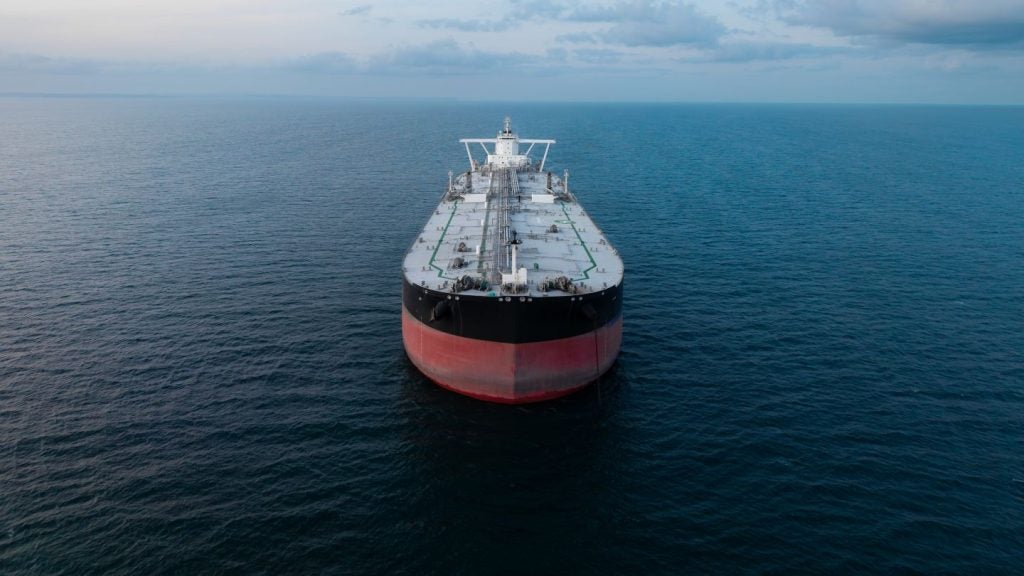
However, the US-Israel joint attack on Iran has led to significant challenges for shipping routes, particularly through the Strait of Hormuz, a critical passage for more than 20% of global oil transit.
Iranian sources have said that the strait is closed to navigation, causing hundreds of vessels to anchor and avoid movement.
However, Iranian Foreign Minister Abbas Araghchi denied any official closure of this vital corridor, reported Bloomberg.
OPEC+ has limited spare capacity to boost supply, aside from Saudi Arabia and the UAE, which may also find it difficult to export oil until Gulf navigation normalises.
Recent weeks saw Saudi Arabia increasing its oil production and exports by approximately 500,000bpd in anticipation of potential conflicts involving Iran.
According to Helima Croft, a seasoned OPEC analyst from RBC, Middle Eastern leaders have cautioned the US Government that military action against Iran could result in oil prices surging to more than $100 per barrel.
Iran's strategic location and its influence over the Strait of Hormuz play a pivotal role in global energy supplies.
The ongoing escalation also resulted in at least three tanker vessels being damaged near the Gulf coast, with one seafarer confirmed dead amid retaliatory actions from Iran following the US-Israeli strikes, reported Reuters.
In response to heightened risks, more than 200 commercial vessels have ceased transit through Hormuz, and many shipping lines have rerouted their journeys around the Cape of Good Hope.
Iran has revealed the closure of navigation through the crucial waterway, leading Asian governments and refiners, who are major buyers, to evaluate their oil reserves.
Meanwhile US President Donald Trump said that US forces had destroyed nine Iranian naval vessels during the ongoing conflict.
Furthermore, Greenpeace International executive director Mads Christensen commented on OPEC+'s decision to raise oil production.
Christensen said: “Today’s OPEC meeting makes one thing clear: as long as our world runs on oil and gas, our peace, security and our pockets will always be at the mercy of geopolitics. Increasing output may temporarily ease price pressures, but it does not address the structural vulnerability at the heart of this recurring crisis: the world’s continued dependence on fossil fuels.
“Political leaders in all countries must wake up and reclaim the moral compass. This means pursuing peaceful, diplomatic solutions, and securing access to affordable, sustainable energy to replace the volatility of the fossil fuel–driven world order. Renewable energy enables local energy production and is not hostage to geopolitical conflict.”