Energy data and intelligence provider TGS has announced a new multi-client 2D-cubed seismic project in the offshore Andaman region of India.
The initiative will leverage 2D-cubed technology, which converts 2D seismic data into a regional-scale 3D volume.
This process allows interpreters to use 3D interpretation software on 2D datasets, supporting geological analysis and communication of subsurface findings.
Spanning 640,000km², the project will focus on both shallow and deep-water siliciclastic sediment basins in the Andaman-Nicobar area.
It will cover four blocks from the OALP-X bid round within the Andaman-Nicobar basin.
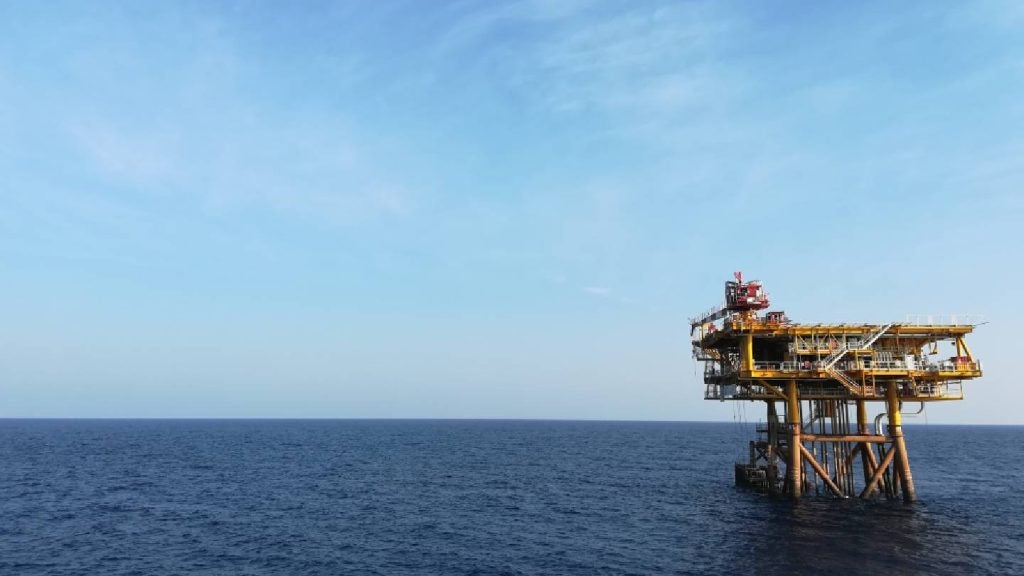
TGS said that recent gas discoveries offshore Andaman Island, along with ongoing deep-water drilling and additional gas finds in the Indonesian section of the Andaman basin, have increased interest in this region.
The India Andaman 2D-cubed project expands the company’s regional multi-client coverage and adds to its existing data library for India.
The project also provides operators with improved subsurface information to support the assessment of exploration potential and inform decision-making, said TGS.
TGS multi-client executive vice-president David Hajovsky said: “By expanding our product portfolio in this region, we aim to equip operators with the insight needed to accelerate decision-making in one of the world’s most promising frontier basins.
“With demand for hydrocarbons growing at roughly 3% annually, India’s rapid economic growth underscores the need for continued investment in exploration, and this dataset supports companies as they assess new opportunities and plan future programmes more efficiently.
“Combining our extensive subsurface knowledge and imaging toolkit provides operators in the area with new opportunities to improve drilling outcomes.”
Last month, TGS started the Roosevelt 3D seismic onshore survey in the Uinta Basin, Utah, US, covering 202 square miles, to support exploration in the North American basin.
It is the company’s first multi-client project in the Uinta Basin, and focuses on the Green River, Wasatch and Mesaverde geological formations.