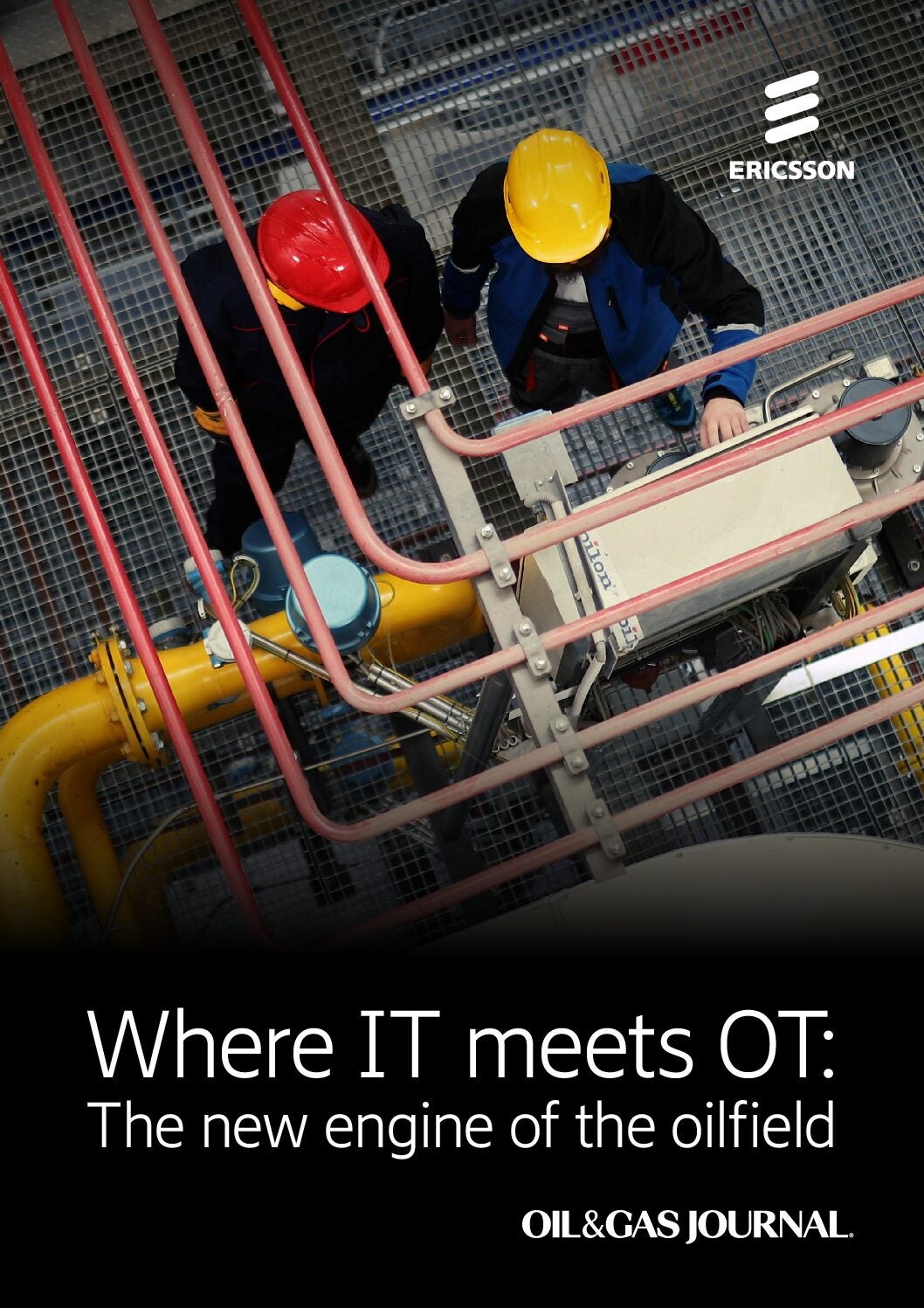


As digital transformation accelerates, the energy sector is embracing new ways to streamline operations, improve safety and boost productivity. Private cellular network solutions are bringing the promise of industrial digitalization to life, enabling autonomous and virtualized remote operations across energy and natural resources. With centralized control now achievable, operations are becoming more intuitive, efficient and compliant than ever.
Why digital transformation matters in the energy sector
In today’s rapidly evolving digital landscape, remote operations are reshaping the energy sector. Emerging technologies, such as autonomous vehicles, robotics and drones, allow for unprecedented levels of monitoring, control and automation. The energy and natural resources industry—including mining, oil and gas and renewable energy—stands at the forefront of this transformation by adopting industrial digitalization innovations.
Technologies like the Internet of Things (IoT), big data analytics, virtual reality (VR) and digital twins are revolutionizing productivity, uptime and safety. However, these advancements require robust 5G infrastructure to reach their full potential.
The power of connectivity in transforming remote operations
With an effective communications system design, remote operations enhance safety, optimize resource use, and improve compliance and reporting. By minimizing the need for personnel movement, operations can focus more on production. Operators can manage multiple machines across different sites from a centralized control center, significantly reducing the costs associated with building control infrastructure in hard-to-reach locations.
As environmental regulations tighten, companies must transition from traditional manual inspections to continuous monitoring solutions. This shift is essential for maintaining compliance in a rapidly evolving landscape.
Private cellular networks capitalize on sensor and device-driven data while minimizing installation delays, power consumption and maintenance issues. In sectors like energy and natural resources, where extraction and production sites can be temporary or rapidly expanding, these networks provide the flexibility and ease of installation needed. They support mobile equipment, unhindered by the limitations of fixed networks and cabling.
Private cellular networks: A platform for innovation
Private cellular networks provide the high-bandwidth, low-latency connectivity essential for complex energy operations with robust coverage tailored to large, remote environments. These secure networks are engineered to meet the unique demands of remote and data-intensive applications; while enabling real-time monitoring and support for fully autonomous machinery.
With private cellular networks, companies can enhance safety through real-time condition monitoring and automation, improve productivity and safety by enabling centralized, remote control of equipment, and ensure compliance with continuous, data-driven monitoring for regulatory reporting.
By enabling innovative technologies like the Industrial Internet of Things (IIoT) and digital twins, Ericsson’s private cellular networks bridge the gap between human oversight and machine autonomy, driving safer, faster, and more efficient operations.
Enabling innovation in remote operations
Automating a fleet management system can provide both safety and bottom-line benefits. Autonomous haulage vehicles can reduce fuel consumption and maintenance costs and increase productivity while ensuring that vehicles are where they are supposed to be, on time and with complete awareness of worker location or obstructions. Autonomous robots can scan for oil and gas pipeline leaks or damage and dynamically monitor gauges for potential dangers.
Autonomous machines, which can instantly analyze and adjust guidance and trajectory controls, significantly enhance productivity and reduce premature component failure. Cellular protocols provide high minimum bit rates to transmit high-resolution images, fast frame rates, stereoscopic video, immersive video or multiple viewpoints from simultaneous camera feeds.
With private cellular networks, massive machine-type communication is enabled by high-bandwidth, reliably low latency and extensive site coverage—ideal for real-time condition monitoring. This connectivity supports the production of vast amounts of data needed to ensure safe and effective remote operations. Smart devices, such as drones for wind turbine surveillance or connected bolts that stabilize mining tunnels, rely on a network capable of prioritizing critical data traffic.
Why choose Ericsson private network solutions?
Ericsson private networks maximize the potential of industrial digitalization and the innovations that enhance productivity, efficiency and safety. Built on Ericsson’s advanced 4G/5G technology these networks support a wide range of remote applications across diverse environments—on land, at sea, above and below ground.
Ericsson’s private cellular networks seamlessly integrate with business-critical operations, devices and applications, enabling energy and natural resources operators to achieve greater productivity, achieve sustainability commitments and deliver more value to their customers—all with a secure, future-ready solution.
Discover the future of remote operations
At Ericsson, we’re dedicated to advancing the future of remote operations by delivering seamless connectivity in even the most challenging environments. Our partnership with Agnico Eagle exemplifies this commitment, showcasing how Ericsson’s remote connectivity solutions are transforming the mining industry. Through real-time data exchange and enhanced safety measures, we’re helping redefine what’s possible in remote operations.