
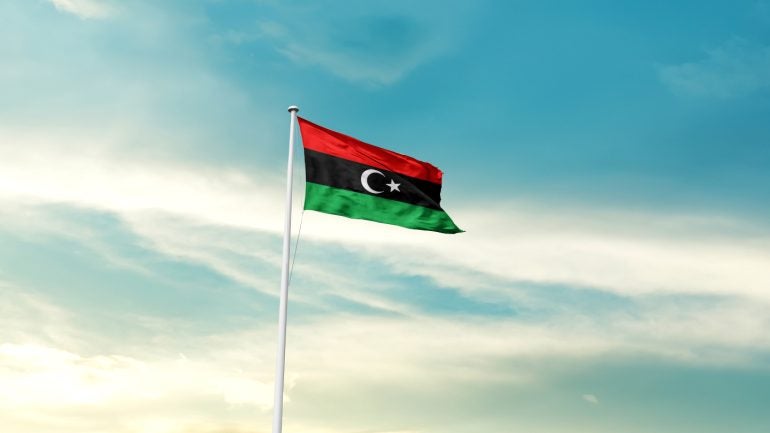
Libya has launched its first bidding round for oil exploration in more than 17 years, aiming to bolster its position in the global oil market and achieve a production target of two million barrels per day (2mbbl/d).
The National Oil Corporation’s (NOC) acting chairman, Masoud Suleman, made the announcement during a televised address.
Go deeper with GlobalData


Discover B2B Marketing That Performs
Combine business intelligence and editorial excellence to reach engaged professionals across 36 leading media platforms.
The bidding round will feature more than 24 zones. This is a significant move for Libya, which is the second-largest oil producer in Africa and a member of the Organization of the Petroleum Exporting Countries (OPEC).
Despite being rich in oil, Libya has faced challenges around attracting foreign investment due to political instability and conflicts that have disrupted the oil industry since the fall of ruler Muammar Gaddafi in 2011.
The country experienced severe disruptions in August, losing more than half of its oil production, approximately 700,000 barrels per day, with exports ceasing at several ports due to political standoffs, reported Reuters.
Production gradually resumed from early October after being halted for more than a month.
Nevertheless, major oil companies like Eni, OMV, BP and Repsol have resumed exploration activities in Libya, undeterred by the decade-long hiatus.
Eni signed an $8bn (€7.61bn) gas production deal with Libya’s state-oil company earlier in 2023.
Acting Oil Minister Khalifa Abdulsadek stated in January that Libya would require investment of between $3bn (Ld14.64bn) and $4bn to reach an output of 1.6mbbl/d.
Currently, Libya’s crude production has surpassed 1.4mbbl/d, just 200,000bpd below its pre-civil war peak.
Notably, Libya is exempt from the OPEC+ agreements to limit output.
Libyan Prime Minister Abdul-Hamed Dbeibah said: “This is a clear message that Libya has returned to being a main front for oil and gas investment, within a modern and transparent investment environment that reflects the stability of the country.”


