

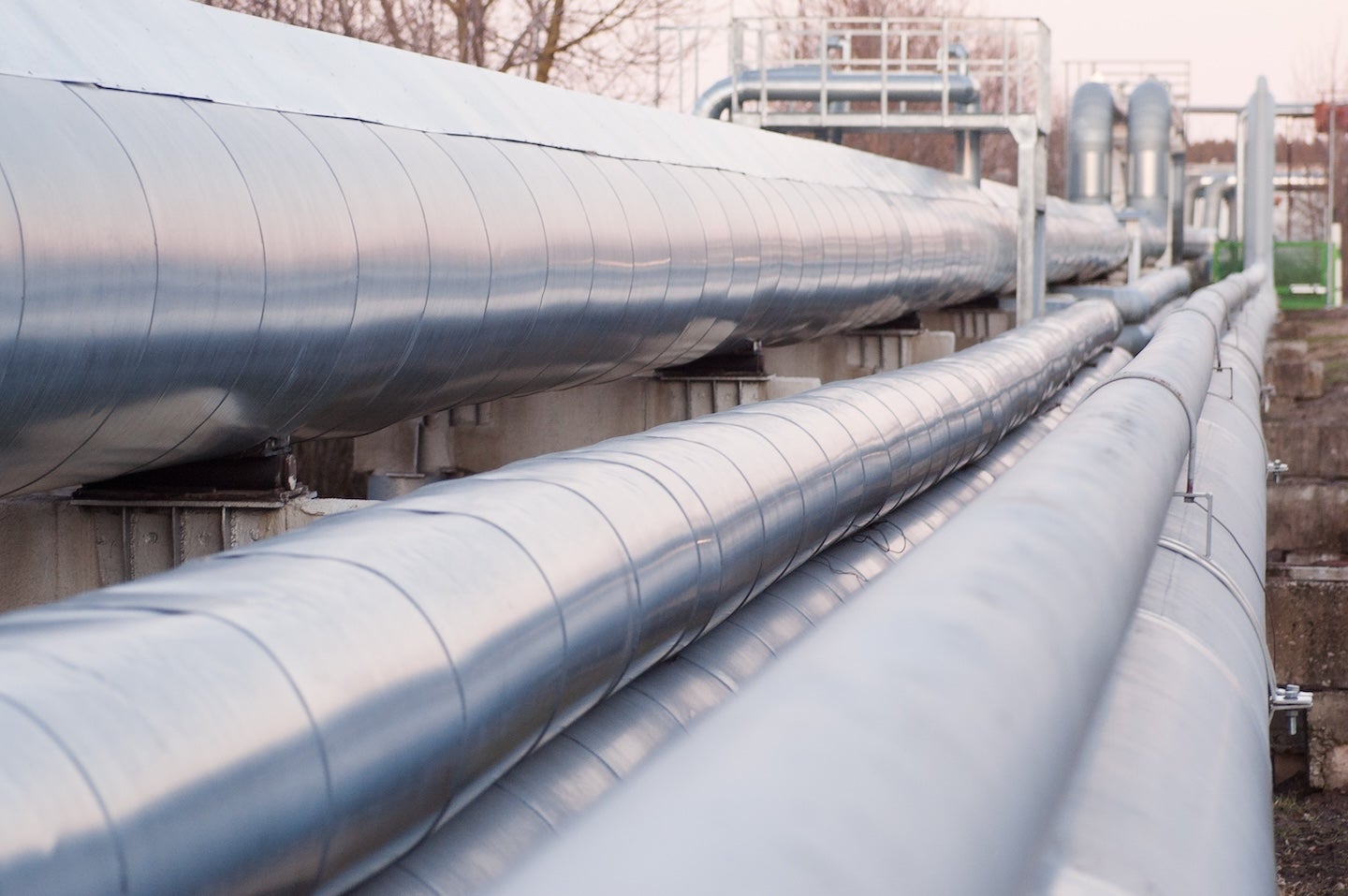
The global effort to reduce carbon emissions is increasingly driving expansion of carbon dioxide (CO₂) pipeline infrastructure, with North America and Europe at the forefront of this transition. These networks are increasingly recognised as an important support for carbon capture, utilisation, and storage (CCUS) initiatives— a key strategy to meet net-zero emissions targets.
In North America, especially the US, policy incentives and a strong focus on greenhouse gas reduction are spurring a wave of new pipeline projects. Major upcoming projects, such as Summit Carbon Solutions pipelines, which plan to capture CO₂ from ethanol plants in the US Midwest to an underground storage site in North Dakota. However, many projects in the country are still awaiting regulatory clearance, making efficient approval processes an essential component in achieving projected timelines.
On the European front, nations such as Norway, Germany, and Denmark are investing in CO₂ pipeline infrastructures. Projects aimed at linking industrial clusters with offshore storage locations, particularly in the North Sea, show Europe’s proactive approach. Shared commitments to carbon neutrality are encouraging collaboration across borders, which is vital for managing emissions at scale and maximising the impact of CCUS technologies.
In Oceania, the CarbonNet Project represents a significant development in Australia’s efforts to support carbon management infrastructure. The project is likely to strengthen the network of CO₂ capture initiatives around the Latrobe Valley. It features both onshore and offshore segments to seamlessly connect emission sources with designated storage sites.
Further details of CO₂ pipelines length and CapEx analysis can be found in GlobalData’s new report, ‘Global Length and Capital Expenditure Outlook for Carbon dioxide Pipelines to 2030’.

