
Refinery Ignition Risk Reinforces the Case for Certified Hazardous-Area Lighting and Reduced Portable Work-Light Exposure
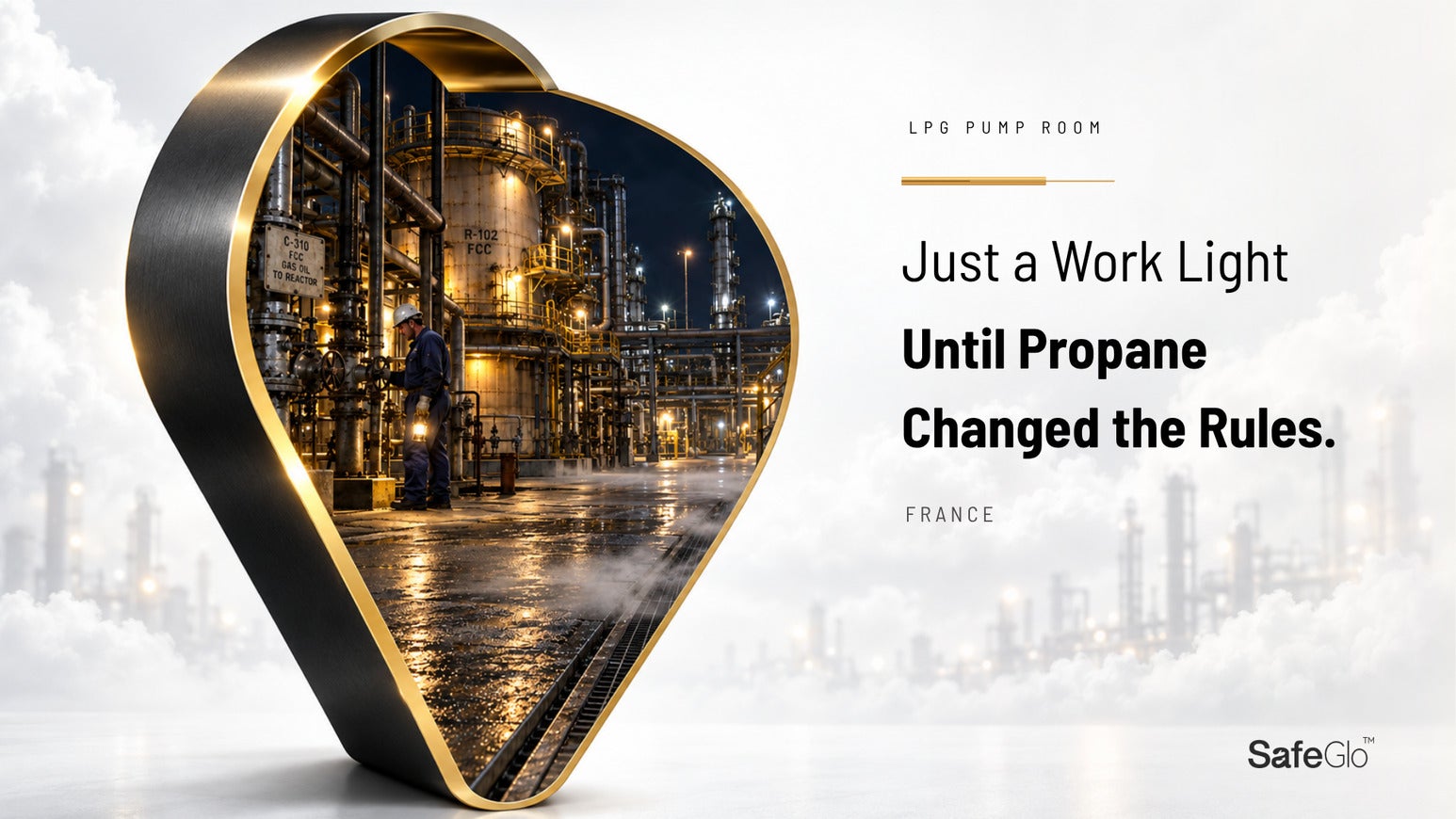
Incident snapshot: ARIA No. 23074 | 6 April 1979 | France | Catalytic cracking unit | One technician killed | Temporary refinery shutdown
The first correction is important. The official ARIA record does not establish that a hand lamp ignited the cloud. It records the lamp as one possible source, alongside an impact spark from a valve-square driver and a nearby hot slurry reboiler operating around 325°C.
The case therefore should not be presented as a confirmed ‘lamp-caused’ accident. What it does show is a more demanding problem: once a flammable cloud exists at ground level, every uncontrolled electrical, mechanical, and thermal source becomes part of the ignition inventory.
The event began inside a catalytic cracking unit after the level in a gas-washing decoupling drum dropped. A manual water-inlet valve was opened. A deficiency in the drum regulation chain allowed the water level to rise before the valve could be closed.
To accelerate drainage, a bypass to the flare was opened while a bleed valve on the same drum had been left open without supervision. Butane from the reflux drum was then able to pass into the flare decoupling drum and ultimately reach the sewer. The release formed a gas layer at ground level. A flash followed, killing the technician caught in the event.
The environmental detail matters. This was a refinery unit at night, with low-level vapour migration into drainage infrastructure and several credible ignition mechanisms nearby. ARIA also notes a high concentration of trans-butene-2 in the C4 cut and states that its self-ignition temperature was below 320°C. A process surface around 325°C was therefore not a theoretical concern.
The lighting question sits inside a wider control hierarchy: prevent the release, control drainage and flare interfaces, detect the atmosphere, isolate ignition sources, and only then ask how the work area is illuminated.
Safety managers: the risk to eliminate is false confidence created by treating lighting as the single cause. A certified luminaire does not make a vapour cloud acceptable. The defensible control is to remove or contain the release first, maintain gas detection where needed, and prevent personnel from entering a potentially explosive layer while ignition sources remain available.
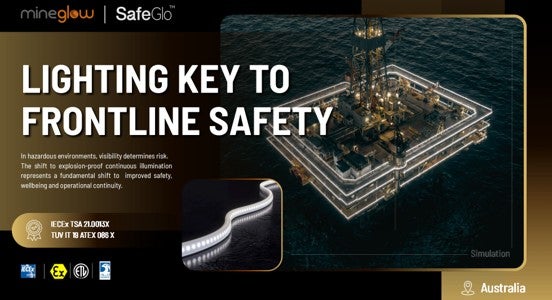
SafeGlo can address one category in that chain: inappropriate lighting. A fixed or semi-permanent hazardous-area lighting system can reduce the need to introduce a hand lamp into a live process area at night, but it cannot replace gas detection, isolation, drainage control, or hot-surface management.
Operations: the case exposes how process deviations can combine. A level-control problem, a manual response, an open bleed path, and drainage to the sewer created a condition that was not obvious from the original task.
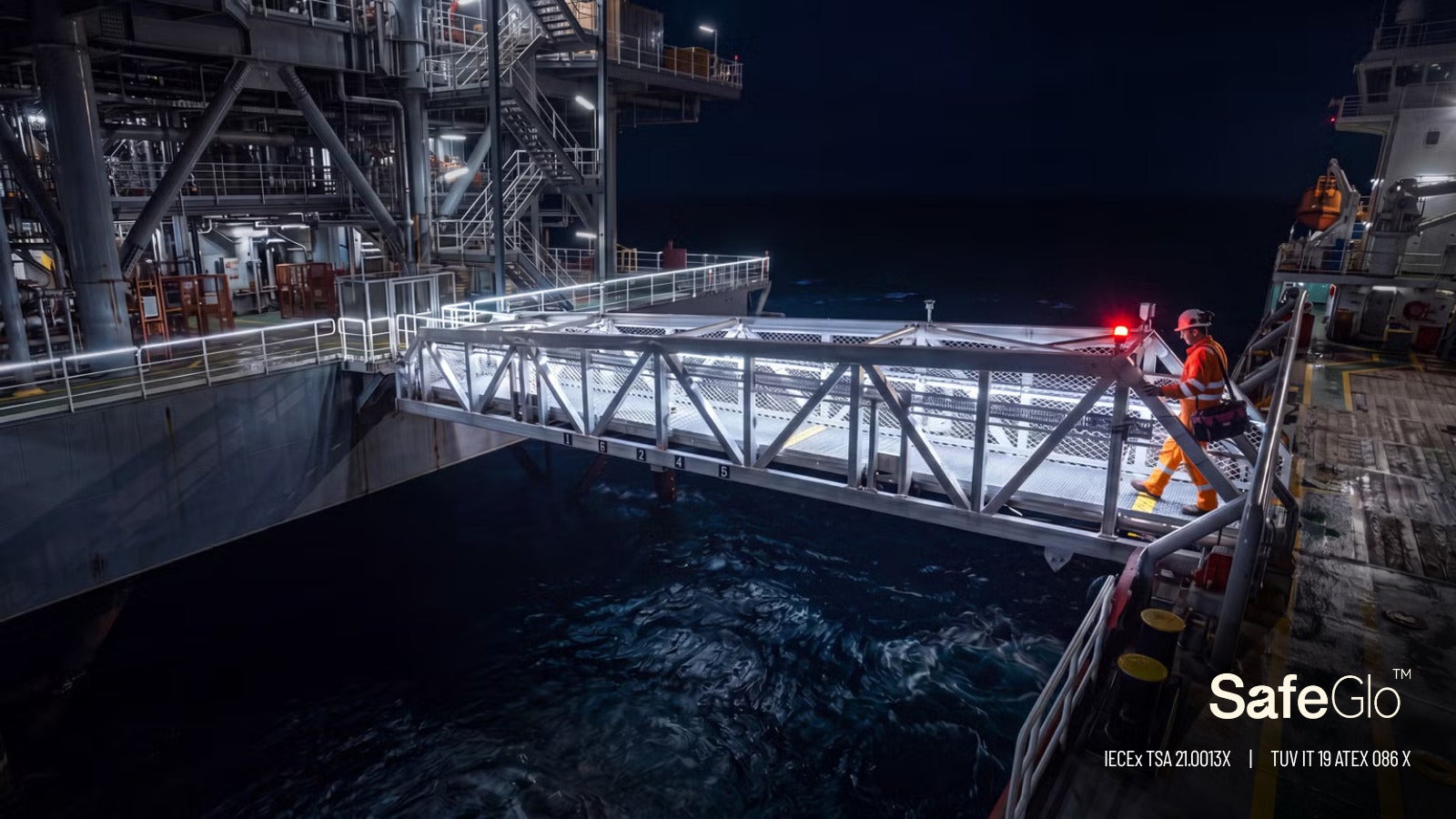
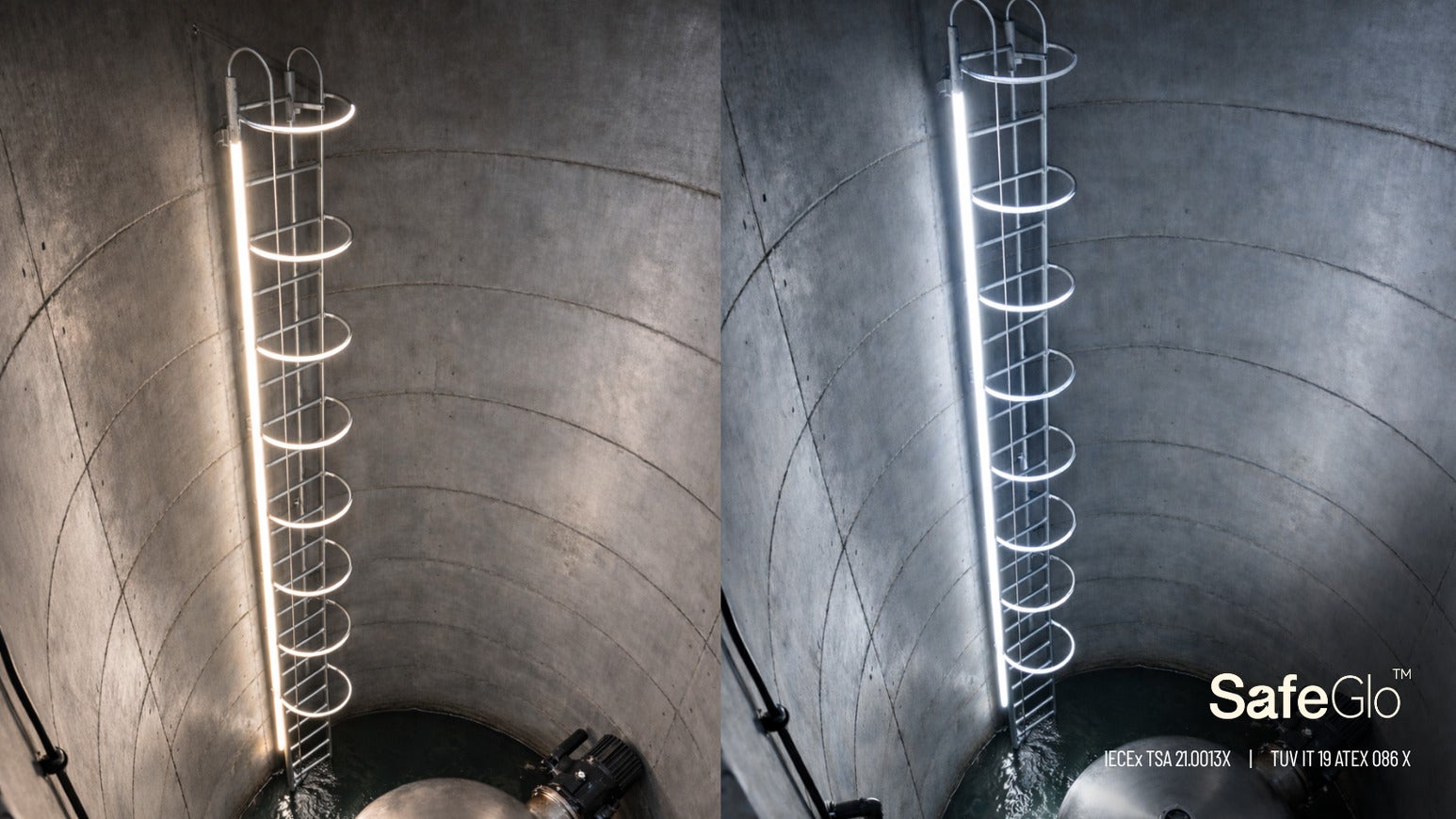
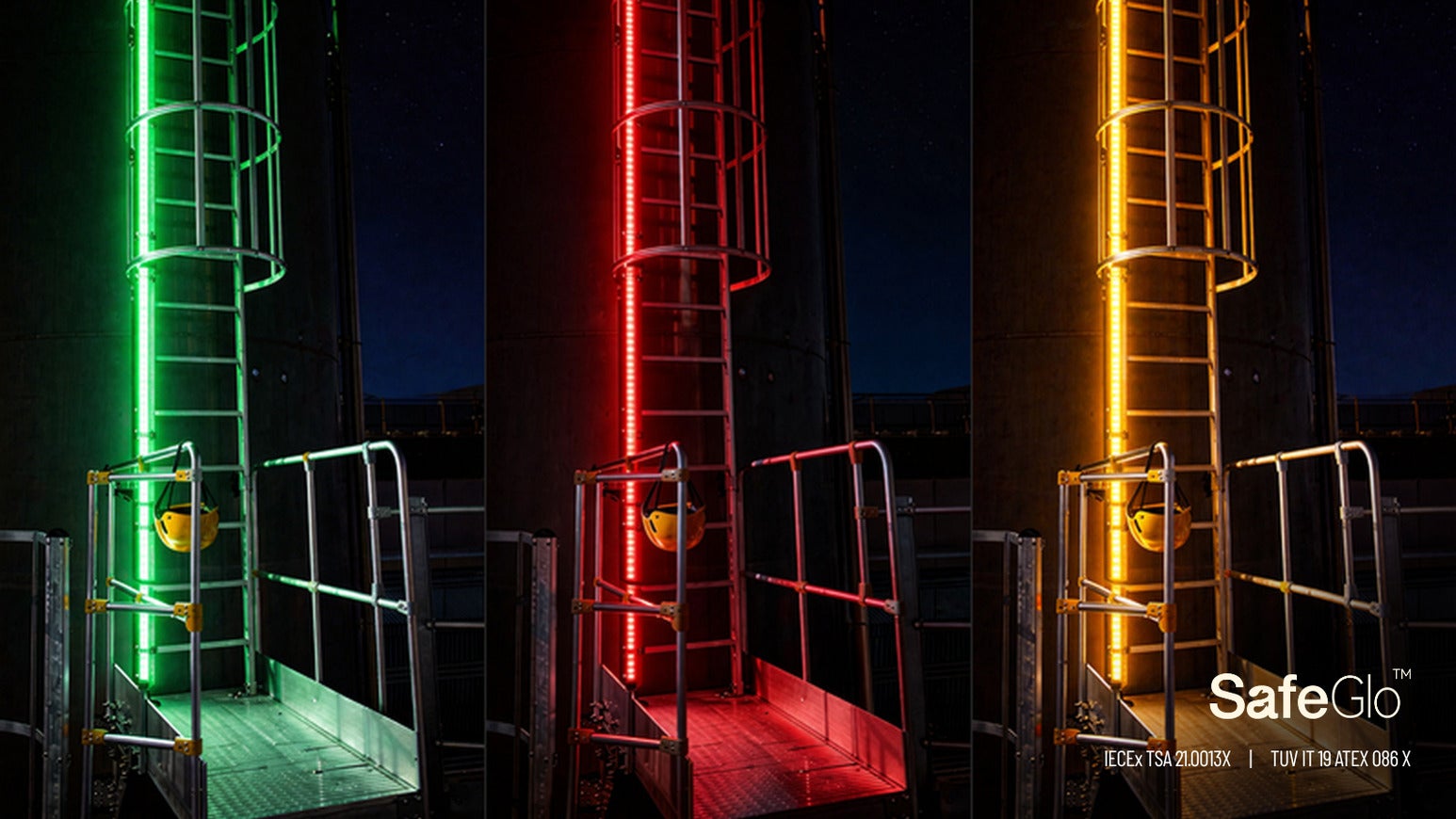
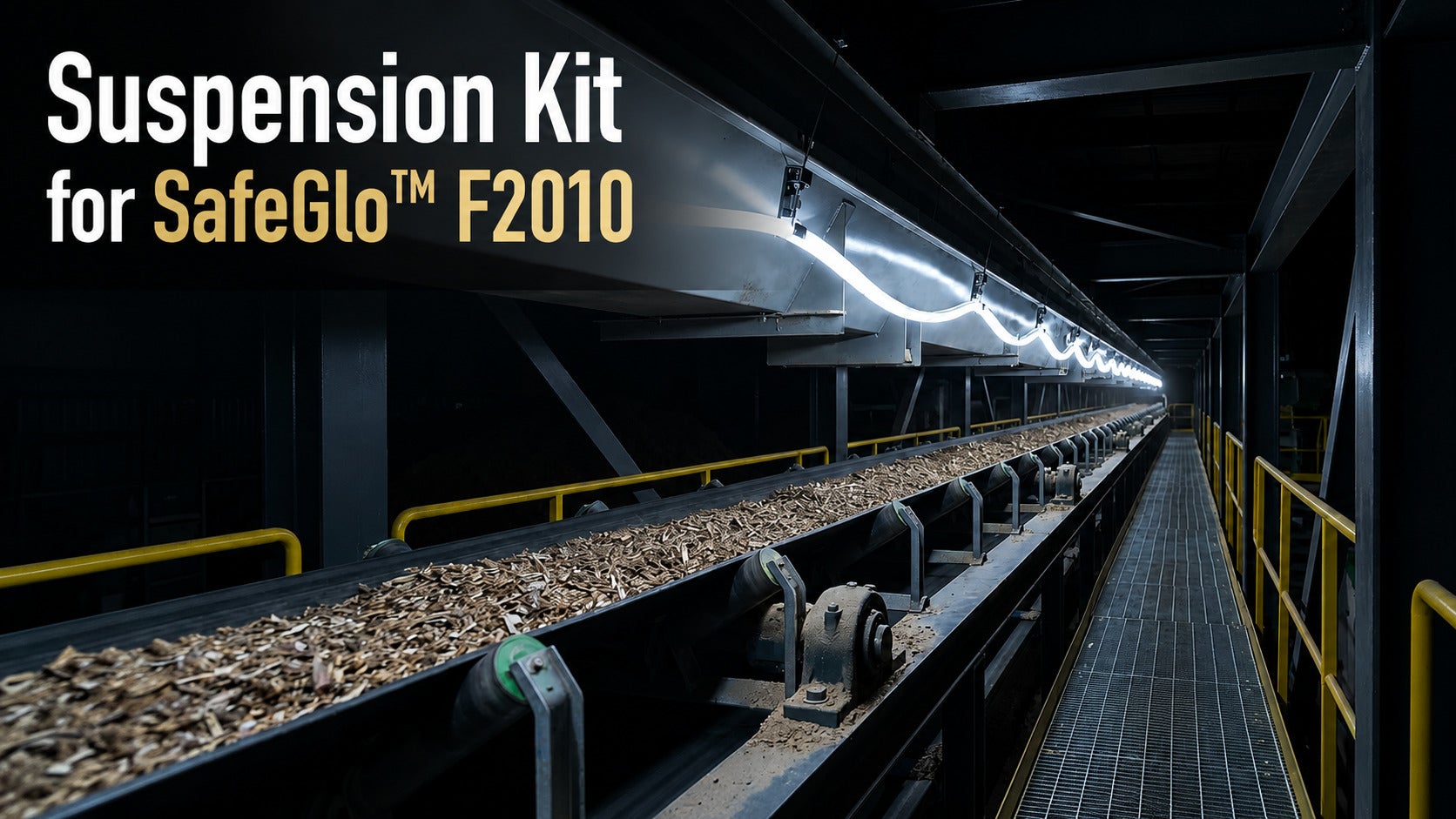
For operators, SafeGlo’s value is route and task visibility without adding another portable device that must be carried, positioned, connected, and potentially struck against equipment. Continuous linear light can keep valve stations, drains, access routes, and low-level work areas visible during night rounds. The operational objective is not ‘brighter.’ It is fewer ad hoc actions in a situation already demanding attention.
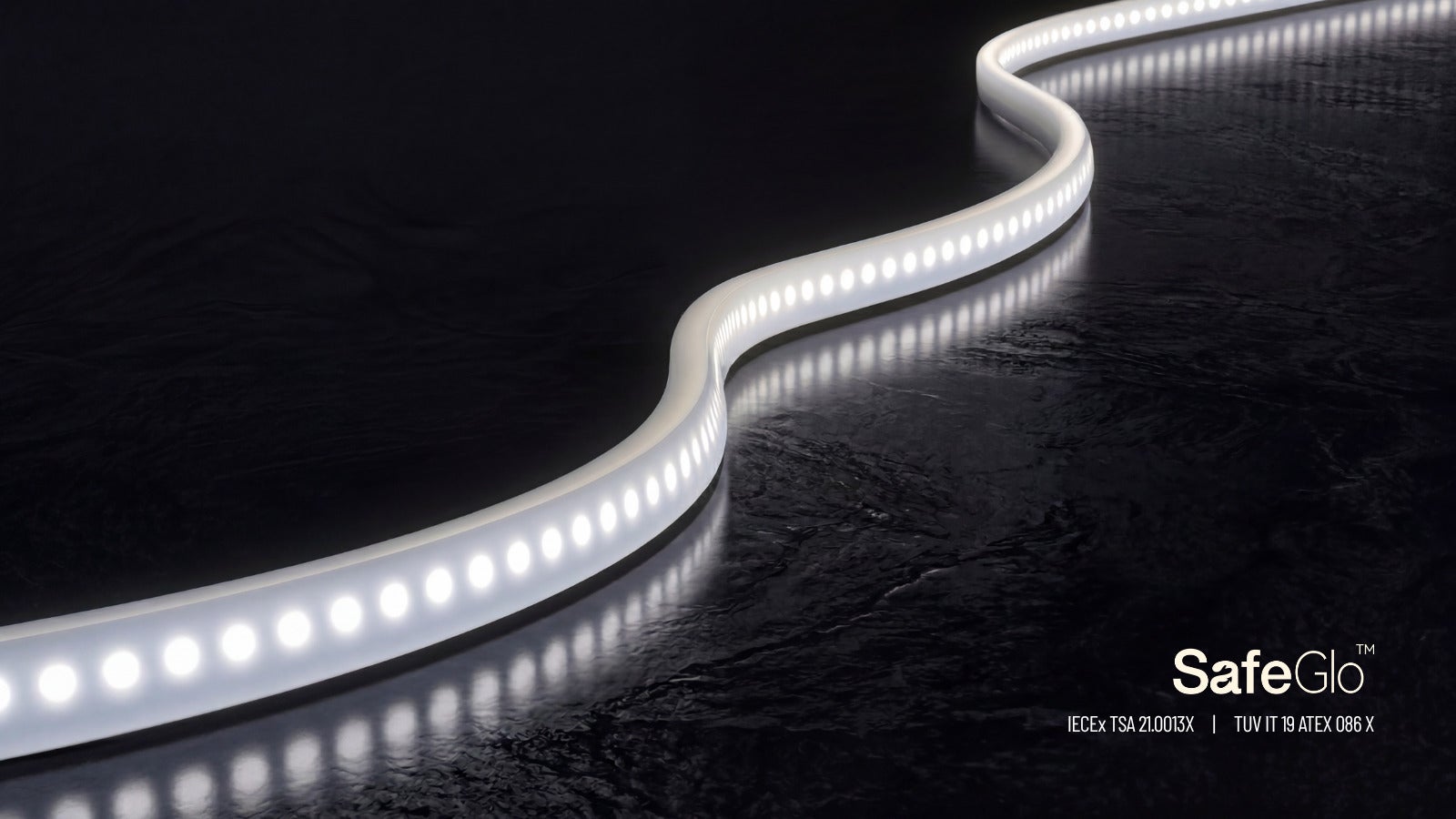
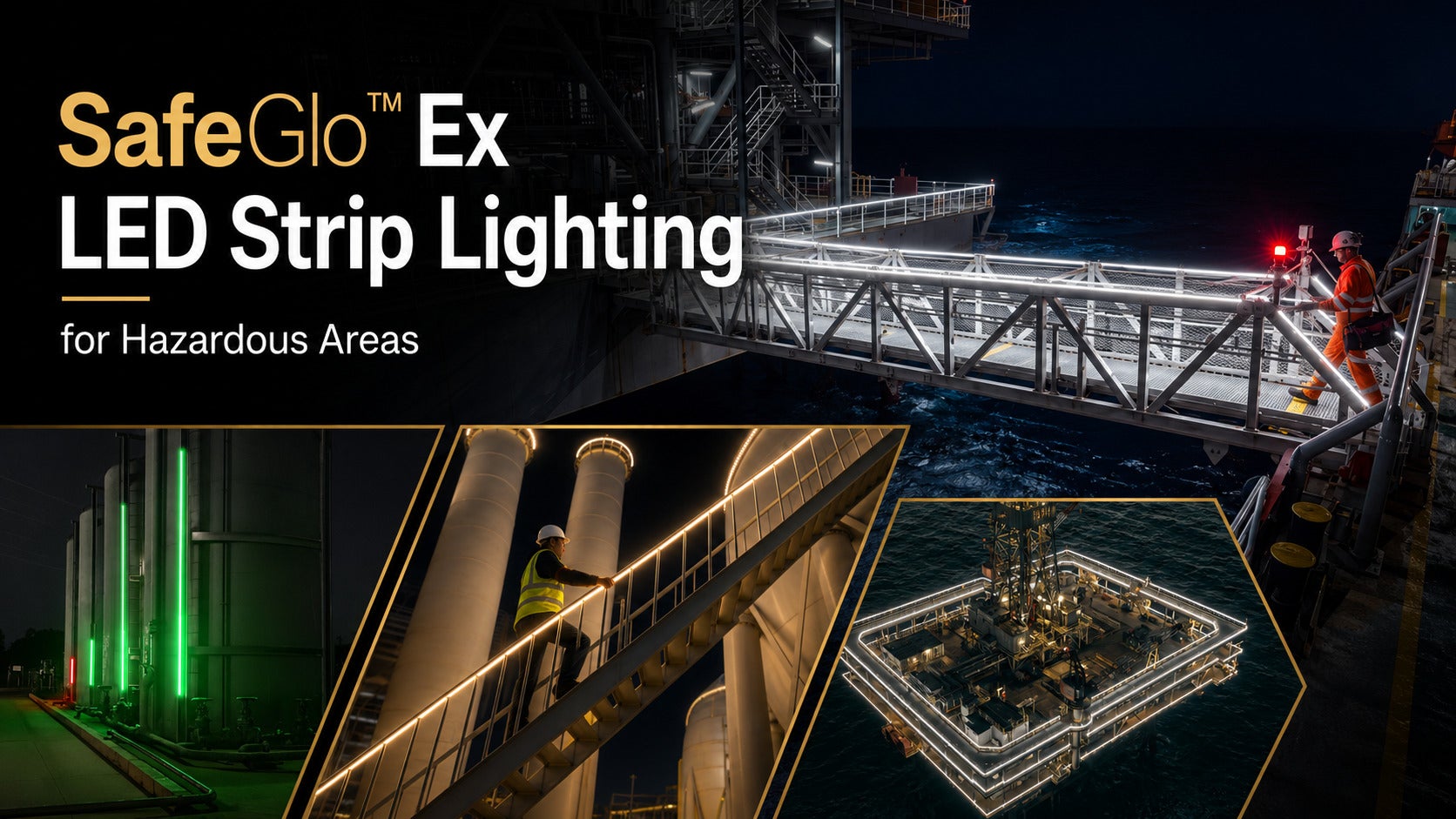
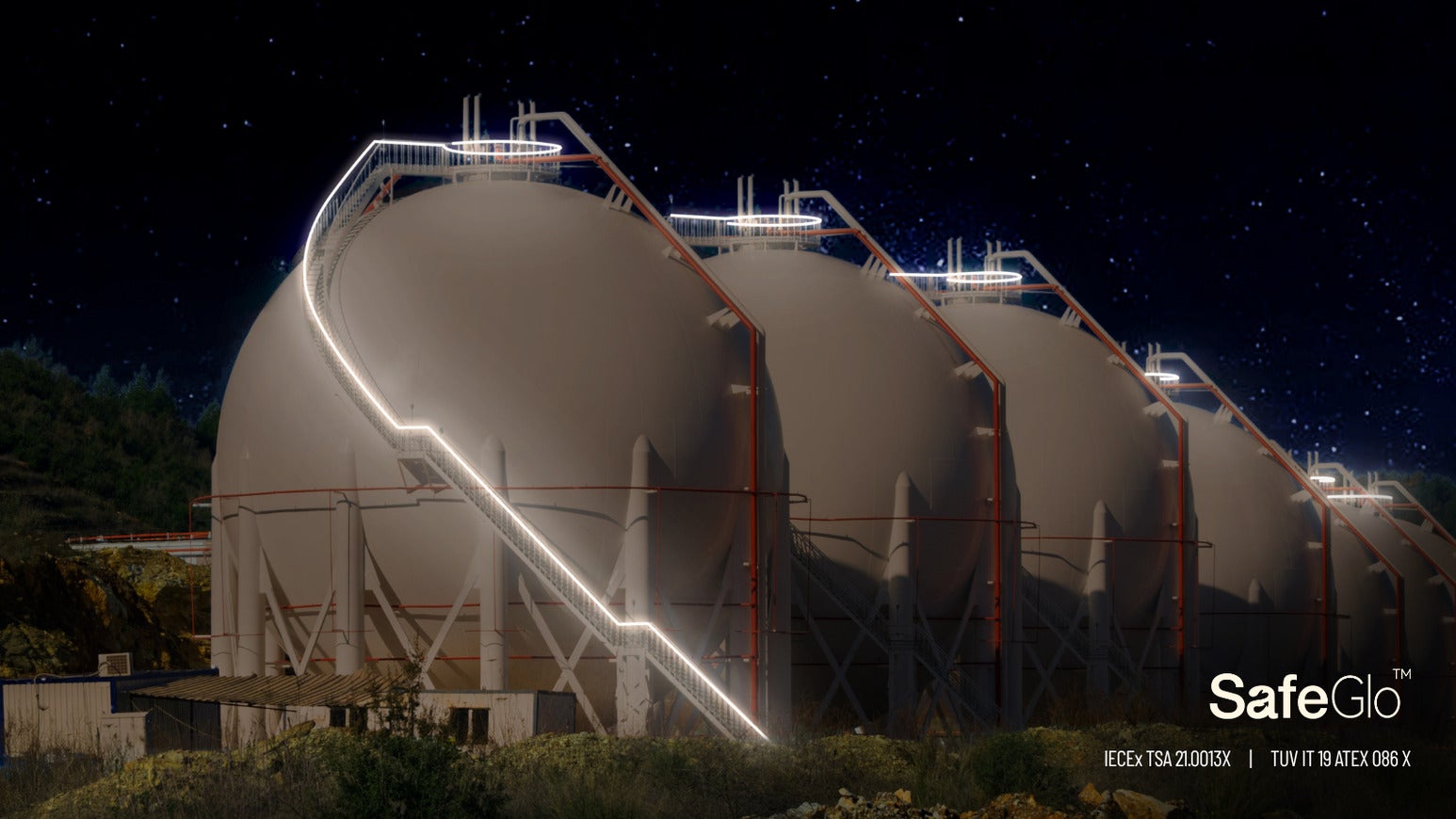
Engineering: SafeGlo’s published product information describes flexible explosion-protected LED systems with ATEX and IECEx certification, Zone 1/2 capability on applicable configurations, Ex m encapsulation, and T4 marking on stated variants.
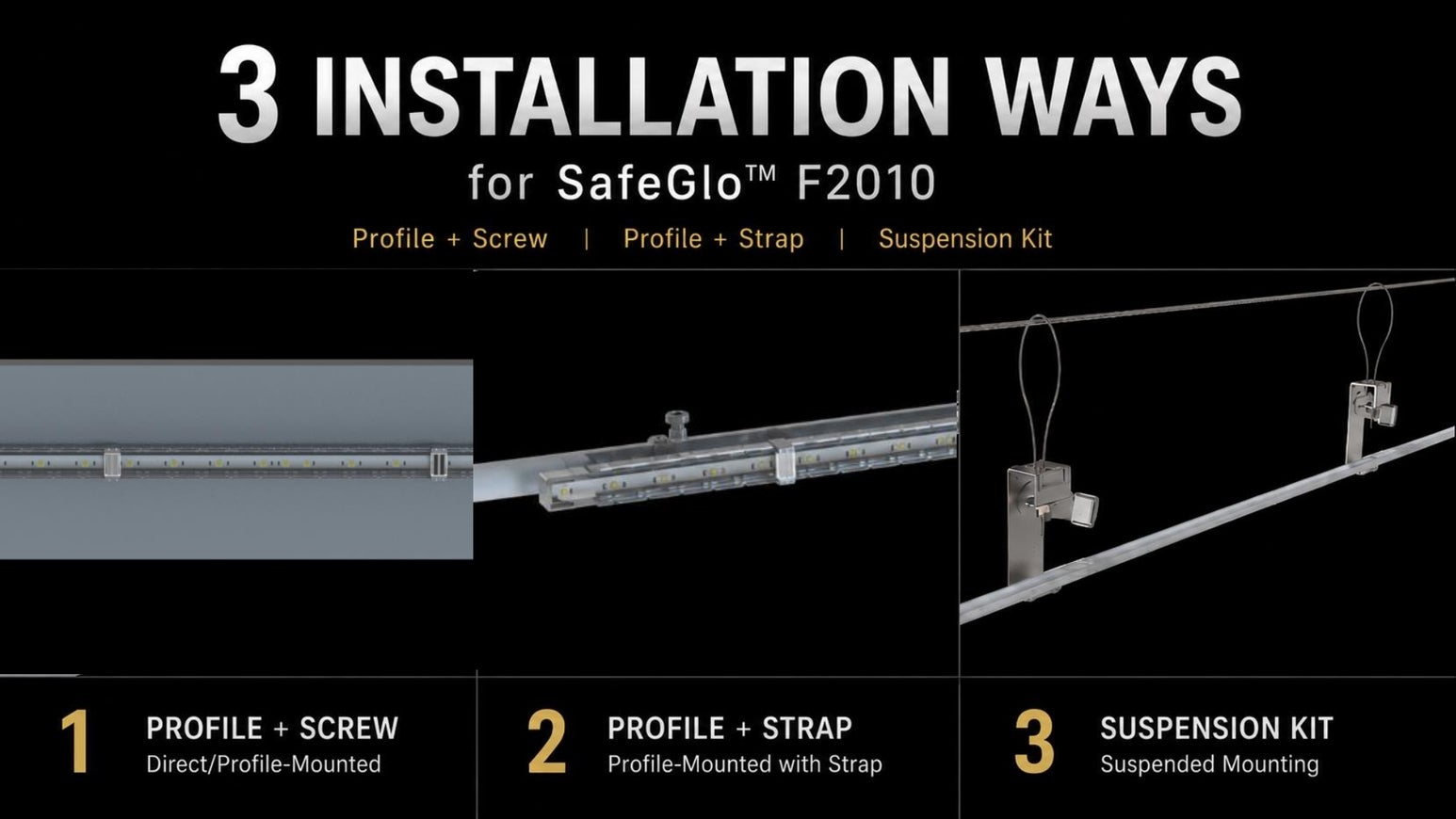
For a European refinery, that means the exact model, certificate schedule, gas group, EPL/category, temperature class, ambient limits, cable entries, power supply, and installation conditions must be checked against the hazardous-area classification. This incident also warns engineering teams not to focus only on electrical ignition. The adjacent 325°C process equipment and potential impact sparks show why hazardous-area studies must include hot surfaces and mechanical sources.
Procurement / ESG: the purchasing question is not whether a product carries a familiar Ex logo. It is whether the supplied configuration matches the classified area and can remain mechanically intact over its service life.
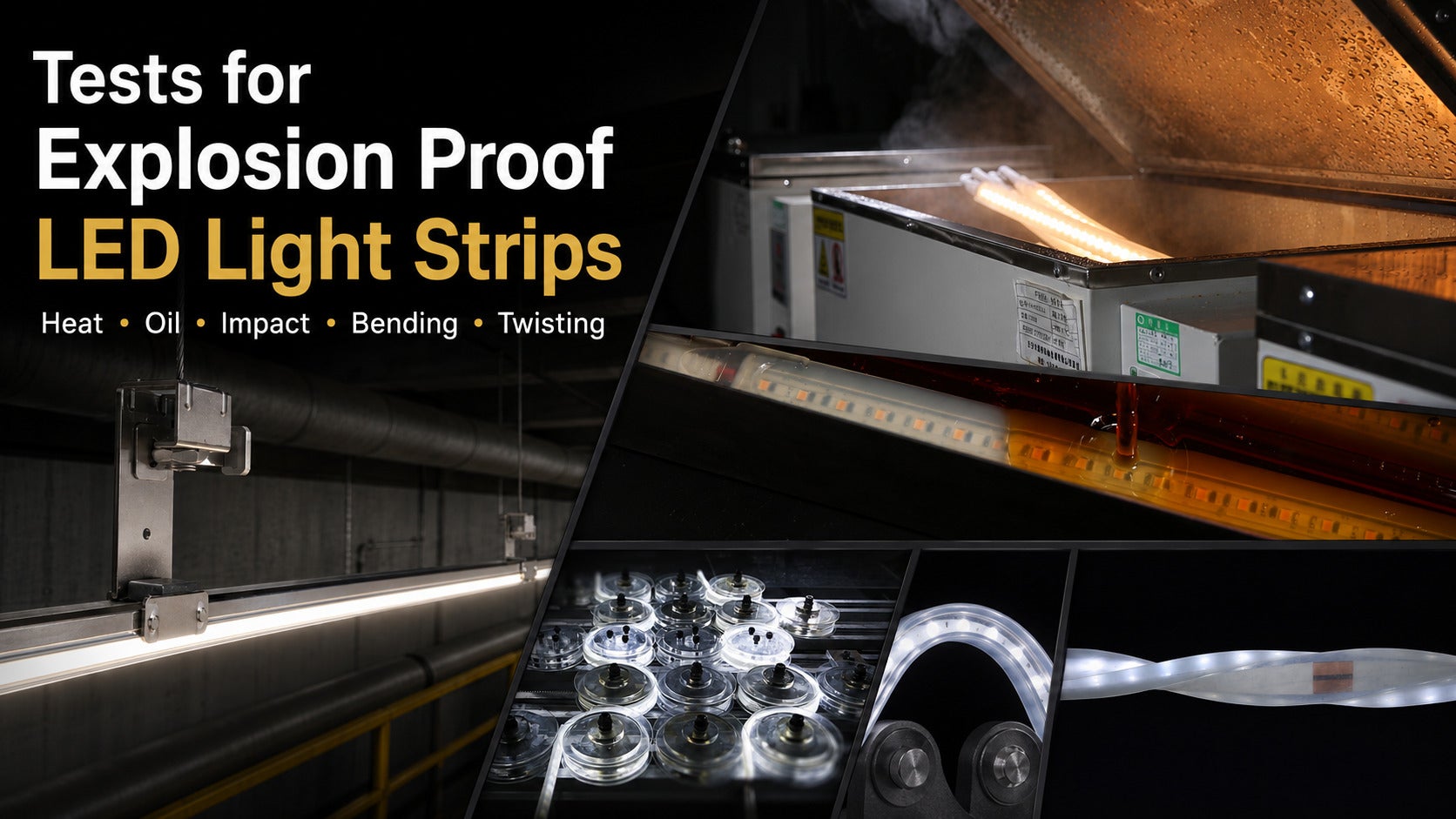
SafeGlo’s flexible form, F1-rated silicone claim, encapsulation, and durable cable architecture may reduce exposure to broken temporary lamps and repeated portable-light replacement. The procurement file should still include the applicable ATEX/IECEx certificate, installation instructions, temperature limits, chemical compatibility, inspection regime, spare strategy, and traceability.
What this case teaches: lighting can be one ignition-control layer, but the primary hazard was the formation of a flammable ground-level cloud. SafeGlo is most defensible here as a way to remove unsuitable portable lighting from routine night work and place certified illumination where operators actually need it. It should never be positioned as the control that compensates for an uncontrolled hydrocarbon release.
Research sources
- BARPI/ARIA, Accident 23074: https://www.aria.developpement-durable.gouv.fr/accident/23074_en/?lang=en
- HSE, Hazardous Area Classification and Control of Ignition Sources: https://www.hse.gov.uk/comah/sragtech/techmeasareaclas.htm
- European Commission, ATEX Directive 2014/34/EU: https://single-market-economy.ec.europa.eu/sectors/mechanical-engineering/equipment-potentially-explosive-atmospheres-atex_en
- SafeGlo, flexible explosion-proof LED system: https://safeglolight.com/flexible-exproof-light/
For more information, please visit https://www.offshore-technology.com/contractors/design-engineering-construction/safeglo