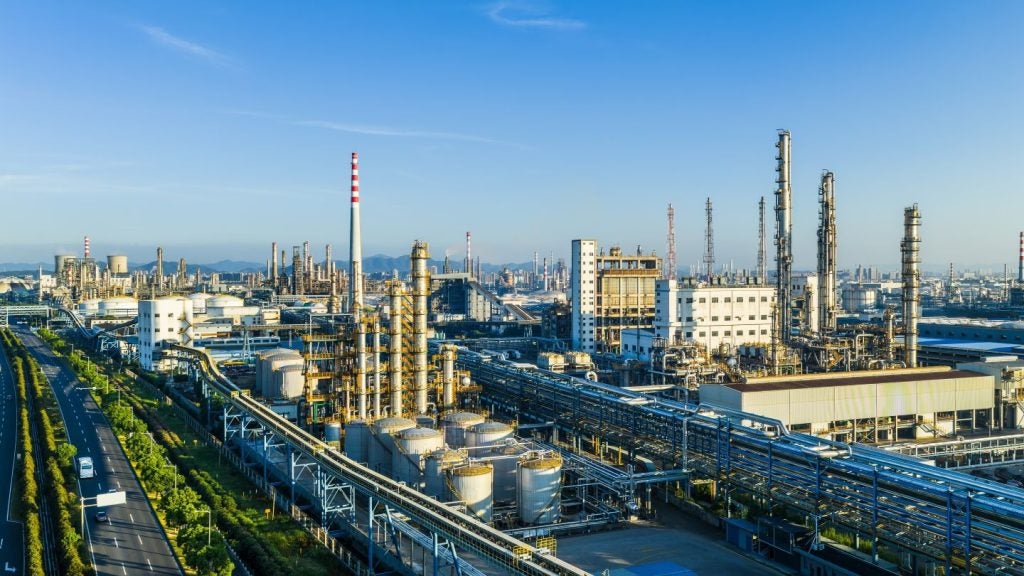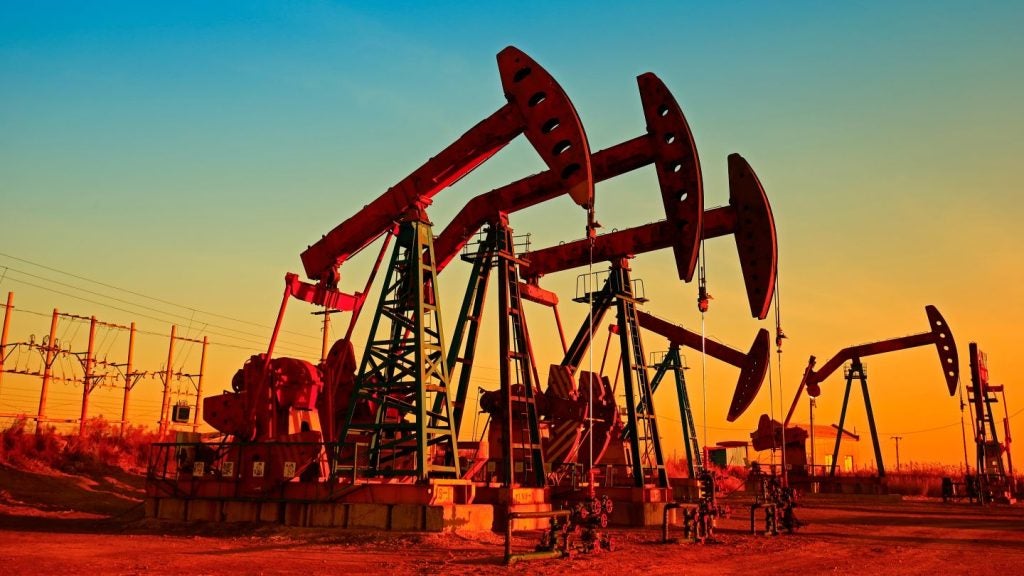

The energy sector—covering electricity and heat generation, transport, and fugitive emissions—is the largest source of global greenhouse gas emissions. Estimates commonly put its share at close to three-quarters worldwide, with IPCC data placing it at about 73%. Even as pressure to decarbonise grows, crude oil remains the most widely consumed energy source. Across these activities, carbon dioxide (CO₂) is the predominant emission and the main driver of global emissions concerns.
In response to escalating environmental expectations and tighter regulations, companies are increasingly integrating sustainability throughout the value chain. This supports compliance while enhancing credibility with environmentally minded customers and investors, reinforcing long-term resilience and trust. However, in a net-zero transition, there is no realistic route to fully decarbonise crude oil; substantial reductions ultimately depend on using less of it. Most emissions occur when refined fuels produced from crude oil are burned in end-use applications. Besides, a significant portion arises earlier within the purview of the industry. The upstream operations alone can account for roughly 10%–30% of oil’s total footprint, so emissions from extraction, processing, and transport meaningfully influence the carbon intensity of each barrel.
Addressing these emissions requires robust policy backing, greater investment in research and development, and a coordinated global effort to ensure economic incentives favour sustainable outcomes. This involves a mix of renewable energy sources, innovative technologies, and system-level measures that accelerate the shift away from fossil fuels. Each pathway comes with trade-offs: some are still emerging and may take years to reach commercial scale, while others reduce emissions only to a limited extent.
To gauge near-term decarbonisation priorities, GlobalData ran a survey of industry professionals. Conducted in November and December 2025, it garnered responses from 224 participants across diverse regions. More than 40% of them opined that the adoption of carbon capture and storage (CCS) should be the prime focus of companies for now to reduce emissions from oil and gas operations. CCS is technically capable of capturing 85–95% of emissions at the source and hence is considered an essential but high-risk avenue for decarbonisation. As per GlobalData, the energy sector is currently the biggest adopter of CCS and accounts for approximately 85% of the capture capacity globally. Moreover, oil and gas companies, such as ExxonMobil, Eni, Shell, and BP, are increasingly pivoting to carbon storage as a service to future-proof corporate strategies.
What should be the top decarbonisation priority for O&G companies in the next three years?

Nearly a quarter of our survey respondents indicated that the integration of renewables in the company operations is an essential avenue towards decarbonisation. Being a clean energy source, it helps companies offset emissions generated from core operations in the quest for achieving net-zero. Moreover, the cost of renewable technologies—especially wind and solar—has fallen considerably in recent years. Thus, it could become a major force behind the energy transition confronting the oil and gas industry. Driven by technological improvements, economies of scale, and supportive policies, the levelized cost of electricity from renewables has declined dramatically in certain markets over the last decade, making clean power increasingly competitive—and in many regions, cheaper than fossil-fuel generation.
Around two-fifths of the participants highlighted that methane leak detection should be a near-term priority to help rapidly reduce operational emissions. Methane’s warming effect on the environment is concentrated in the near term: over 20 years, it has about 84–86 times the global warming potential of CO₂, dropping to roughly 28–36 times over 100 years because methane dissipates relatively quickly in the atmosphere. This combination of a short atmospheric lifetime and high short-term potency means that reducing methane can yield fast, meaningful climate gains. While the oil and gas industry is responsible for only around a quarter of global methane emissions, it can deploy proven—and often cost-effective—technologies to drastically reduce them.
Lastly, about 14% of the respondents pushed for the electrification of operations to help mitigate emissions. This process involves replacing traditional fossil-fuel-powered equipment, such as gas turbines and diesel generators, with electric systems, preferably powered by renewables. Although this can offset Scope 2 emissions from select sources, it would still be ineffective in addressing flaring and venting in upstream processes. Moreover, in many cases, oilfield operations are located in remote areas where access to an electrical grid within a short timeframe might not be feasible.