

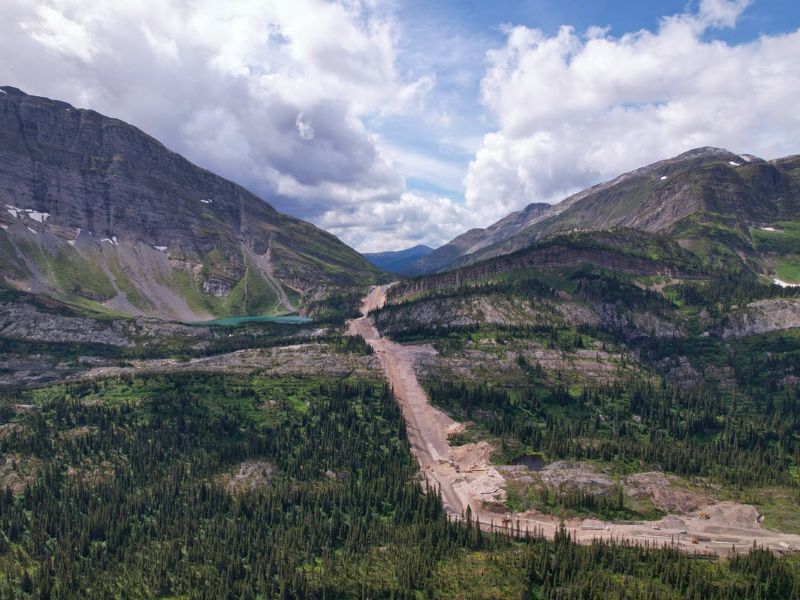
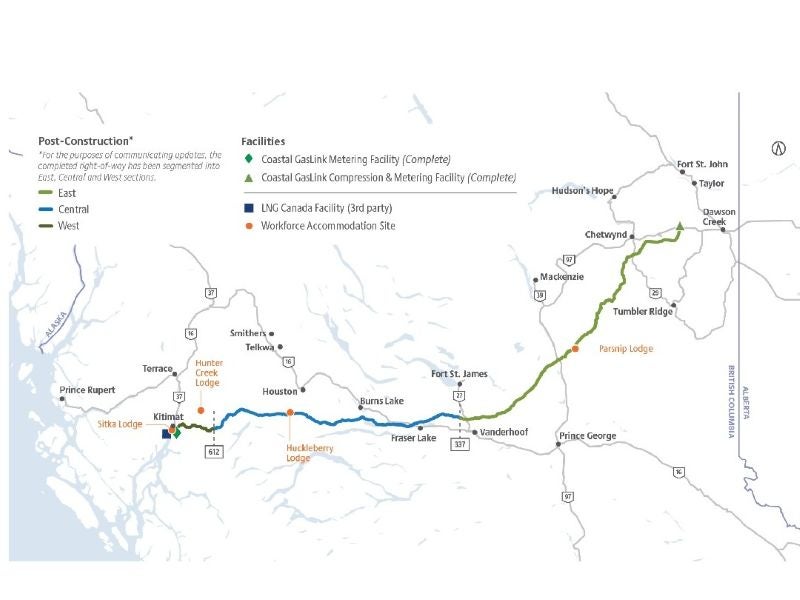
The Coastal GasLink pipeline is a 670km-long natural gas pipeline running from the Groundbirch area near Dawson Creek to the LNG Canada facility in Kitimat on the west coast of British Columbia, Canada.
TransCanada Pipelines, an affiliate of TC Energy (formerly TransCanada Corporation), is the developer of the pipeline, which has a capacity of 2.1 billion cubic feet per day (bcf/d) of natural gas.
Recommended Buyers Guides

Construction on the project’s first phase commenced in January 2019. The pipeline entered commercial service in November 2024 and exported its inaugural shipment of LNG to the LNG Canada facility in June 2025. The project was completed within a C$14.5bn ($10.3bn) cost estimate.
In September 2026, TC Energy announced phase two of the project following the final investment decision (FID) taken by LNG Canada, the operator of the Kitimat LNG export facility, to expand the facility. LNG Canada is a joint venture (JV) between Shell, PETRONAS, Mitsubishi Corporation, PetroChina and KOGAS.
Phase two of the pipeline will proceed under an integrated delivery model, with LNG Canada serving as execution manager to direct construction. Coastal GasLink (CGL), a wholly owned subsidiary of TransCanada Pipelines, will retain ownership and operational control of the pipeline and its related infrastructure, as well as holding the regulatory permits.
The second phase of the Coastal GasLink pipeline will double the current capacity and is expected to commence construction in February 2027.
Coastal GasLink pipeline project details
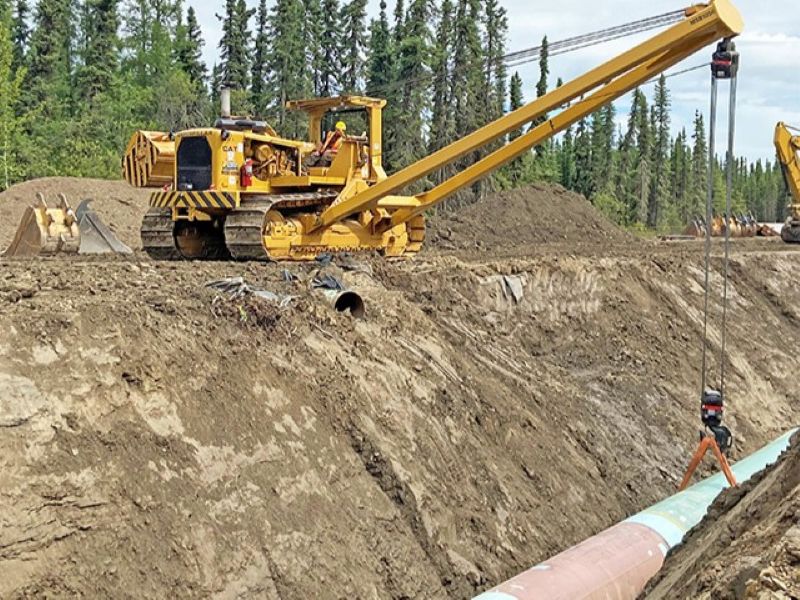
The Coastal GasLink pipeline has a diameter of 48in (1.22m). Built in eight sections, the pipeline construction included more than 800 water crossings and ten trenchless water crossings.
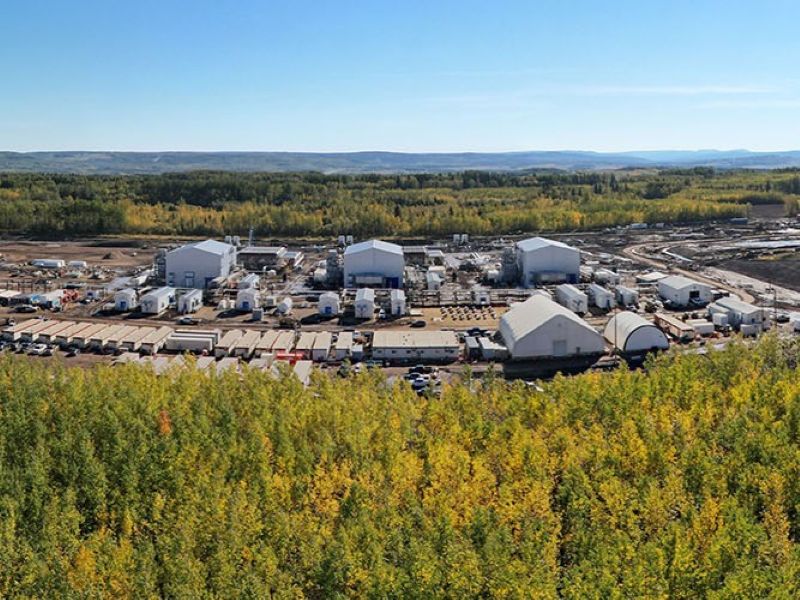
The project includes a compression facility at Wild Lake and the Kitimat Meter Station at the end of the pipeline route.
The compressor facility includes three compressor stations and four metering stations, making it the largest greenfield natural gas compressor complex TC Energy has built in a single project phase.
The facility serves as the starting point for the natural gas pipeline and involved more than 24,000 diameter-inches of welding, the installation of 2,700 piles, and the pulling of nearly 120km of cable.
Other auxiliary equipment at the compressor station includes discharge gas coolers, high-pressure yard piping, isolation valves, electrical, control and telecommunication systems, storage facilities, and offices.
The site uses emissions-reduction equipment to minimise methane venting, supporting wider natural gas export infrastructure that could displace higher-intensity fuels and lower global carbon dioxide emissions by 60 to 90 million tonnes per annum (mtpa).
Coastal GasLink pipeline project timeline
The project was announced in June 2012, and the company began an engagement programme with Aboriginal communities, local government, landowners, and stakeholders. Environmental and engineering studies were conducted along the pipeline corridor between 2013 and 2014.
The British Columbia Environmental Assessment Office (EAO) issued an environmental assessment certificate for the project in October 2014. By May 2016, Coastal GasLink had received all the major provincial regulatory approvals required for the construction and operation of the project.
Construction of the Kitimat Meter Station, which marks the end of the pipeline, commenced in August 2020 along with the main pipeline installation works. The station was completed in August 2021.
Construction of the Wild Lake compression facility near Dawson Creek in northeastern British Columbia was completed in September 2022.
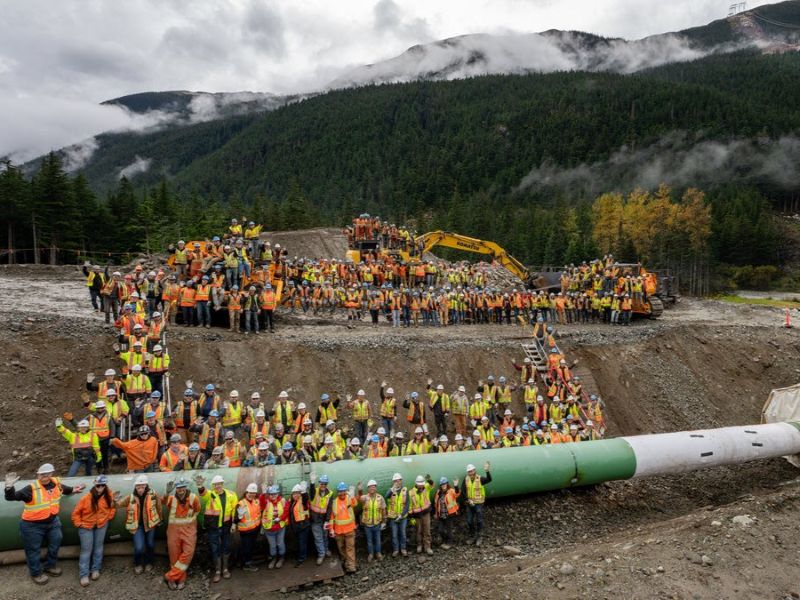
The project achieved 100% pipeline installation in October 2023, followed by mechanical completion the following month.
Coastal GasLink pipeline phase two details
Phase two will optimise the capability of the existing pipeline infrastructure without requiring the installation of new pipe.
The second phase will almost double the transport capacity by constructing five compressor stations and upgrading auxiliary facilities along the existing alignment.
The project will include the construction and operation of the Sukunka Falls, Racoon Lake, Clear Creek, Segundo Lake and Parrott Lakes compressor stations, which will be positioned at intervals along the existing alignment.
The project will also involve modifications to existing facilities. The Wilde Lake Compressor Station will receive an additional cooler bay while the Wilde Lake Meter Stations will be upgraded with additional meter runs. At the Kitimat Meter Station, an additional separator and associated piping will be installed within the existing station. The LNG Link Meter Station will also be expanded to include an additional meter run, an associated building and piping.
Additional infrastructure and facilities will be developed to support the operation and maintenance of the expanded system.
Contractors involved
Aecon Group was selected as the prime contractor for the construction of the Wilde Lake compressor and meter stations and the Kitimat meter station.
In June 2018, CGL selected the Surerus Murphy JV, SA Energy Group, Macro Spiecapag Joint Venture and Pacific Atlantic Pipeline Construction for the construction of the pipeline.
In October 2026, Técnicas Reunidas was awarded the engineering, procurement and construction management (EPCM) services for phase two of the Coastal GasLink project.
