

The Rovuma liquefied natural gas (LNG) project is part of a series of substantial gas fields being developed within the Rovuma Basin, offshore Mozambique.
The project is owned by Mozambique Rovuma Venture, a joint venture (JV) between Eni, ExxonMobil and the China National Petroleum Corporation (CNPC), which collectively holds a 70% stake. The remaining interest is evenly divided among Galp, KOGAS and Empresa Nacional de Hidrocarbonetos, with each holding a 10% share.
Recommended White Papers
Recommended Buyers Guides

The project is anticipated to have an LNG production capacity of 18.6 million tonnes per annum (mtpa) and 2.4 billion cubic metres in gas resources.
The phase one development plan for the Rovuma LNG project was submitted to the Mozambican Government in July 2018 and approved in May 2019.
The project is forecast to generate approximately $150bn (9.6tn meticais) in revenue for the Government of Mozambique over a 30-year operating life and increase Mozambique’s gross domestic product by roughly $11bn per year, while supporting employment for more than 150,000 people.
The partners plan to close financing for the project in 2026 and commercial operations are targeted for 2031.
Location of the Rovuma LNG project
The Rovuma LNG project is situated adjacent to the Mozambique project in Area 1, within a 6,475km-wide 50-year DUAT (land use right area) at Palma on the Afungi peninsula.
The project will also involve Area 4, an exploration and production concession, in the Rovuma Basin in northern Mozambique. The Area 4 concession is located offshore the Cabo Delgado province in northern Mozambique.
Rovuma LNG project details
The first phase of the Mozambique LNG project will focus on the development of three fields within the Mamba complex in Area 4 of the Rovuma Basin. The deepwater Area 4 block holds more than 85 trillion cubic feet (tcf) of natural gas.
The Area 4 concession is set to commence with the extraction of up to 12tcf of dry natural gas, with an ultimate goal of producing approximately 50mtpa of LNG.
The upstream segment of the project will consist of 24 wells, a subsea intra-field gathering system, an export sea line system and a subsea network control system from onshore, connected via umbilical.
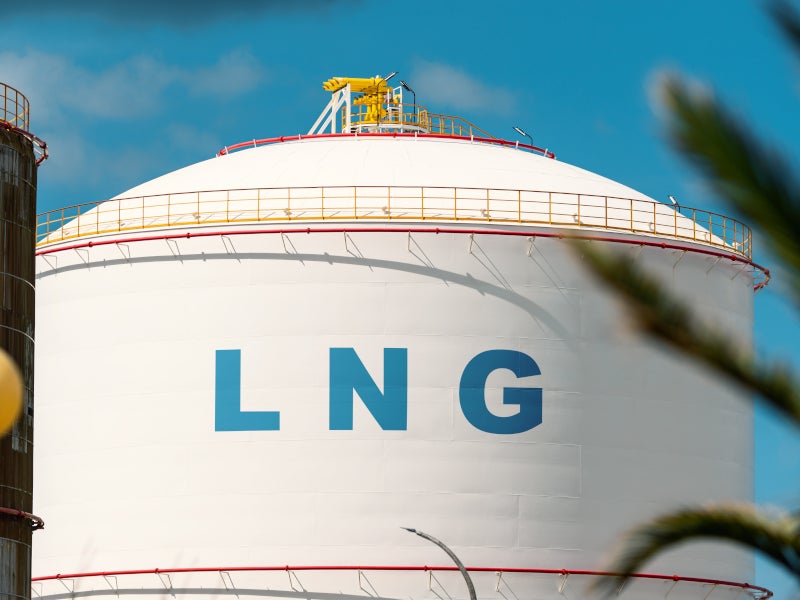
The onshore segment of the project involves the development of 12 modular liquefaction modules with total production capacity of 18.6mtpa, along with associated onshore facilities. It will be supported by two 200,000m³ LNG storage tanks and two 45,000m³ condensate tanks.
LNG liquefaction train details
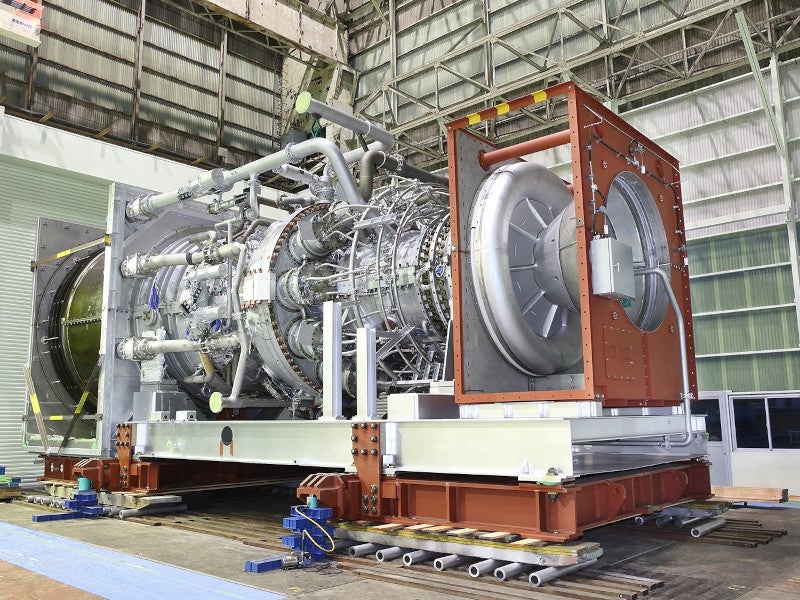
The LNG liquefaction trains will be equipped with an H-100 series gas turbine and a 120MW capacity compressor.
Developed by Mitsubishi Hitachi Power Systems (MHPS), the H-100 is the world’s largest dual-shaft heavy-duty gas turbine, renowned for its high efficiency, reliability and low maintenance requirements.
The H-100 is ideally suited as a main refrigeration compressor driver for large-scale LNG plants with any liquefaction process. The robust and simple design does not require any external helper motor or intercooler and maximises space efficiency.
An additional benefit of H-100 is operational flexibility, including broad variable-speed operation, reduced start-up times and the capability for full-pressure restarting of refrigeration compressors without the necessity of flaring refrigerant.
Contractors involved
A consortium of TechnipFMC, JGC and Fluor was awarded the engineering, procurement and construction (EPC) contract in October 2019 for the onshore LNG production complex.
Mitsubishi Heavy Industries, a leading industrial group in the energy, logistics and infrastructure sectors, reached an agreement with ExxonMobil and its co-venture partners in April 2019 to supply H-100 gas turbine and compressor packages for phase one of the project.
Mitsubishi Heavy Industries Compressor Corporation will provide the main liquefaction compressors, while MHPS will supply the dual-shaft gas turbines for the plant.
Airswift, a workforce solutions provider, was contracted to supply both national and expatriate consultants for the construction phase.
Bonatti International, a construction-focused engineering company, was tasked with providing accommodation and workstation facilities for the workforce for the Rovuma LNG project.
The environmental impact assessment for the project was undertaken by Environmental Resources Management Southern Africa in association with Projectos e Estudos de Impacto Ambiental (Impacto).
In February 2025, Sicim was awarded the front-end engineering and design engineering contract for the onshore pipelines and the umbilical section, covering an approximately 4km stretch from the LNG plant to the offshore pipeline tie-in and including the wetlands crossing.
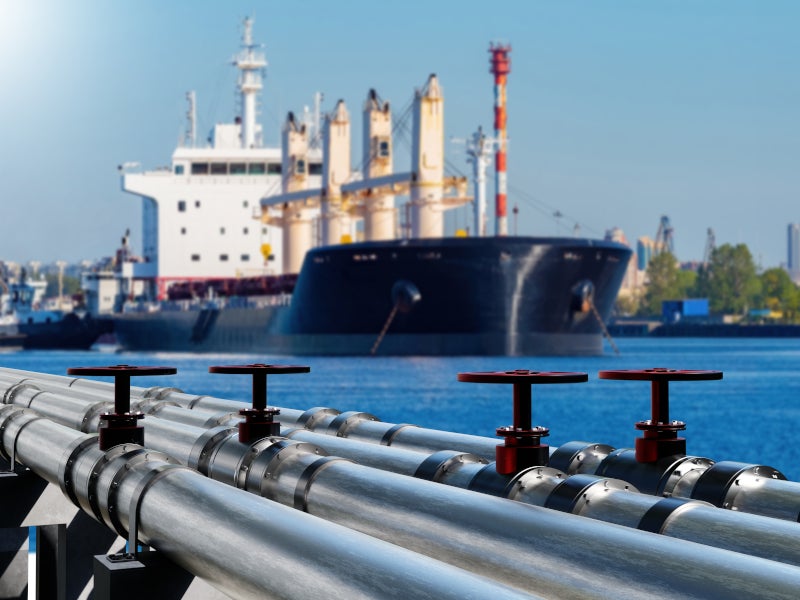
Under the contract, Sicim will design six pipelines, each around three miles (4.8km) long, along with an umbilical of the same length. These assets will link the LNG liquefaction plant to the offshore pipeline system.
In August 2026, ExxonMobil, acting on behalf of the Area 4 partners, issued a letter of intent to the SMDC JV for limited EPC services for phase one of the project. The SMDC consortium comprises Saipem, McDermott Energy Solutions (UK), Daewoo Engineering & Construction and China Petroleum Engineering & Construction.
In the same month, ExxonMobil awarded $1.1bn worth of pre-development contracts covering key long-lead upstream equipment for the Rovuma LNG phase one project.
The most substantial award covering the subsea production systems went to OneSubsea UK and OneSubsea, with local delivery undertaken by Aker Solutions Mozambique.
Advanced Technology Valve was contracted to supply large-bore production valves, while Corinth Pipeworks Pipe Industry Single Member won a contract to manufacture and supply submerged arc-welded line pipe.
Sumitomo will manufacture and supply store seamless line pipe, while Zhejiang Jiuli Hi-Tech Metals will manufacture and supply mechanically lined pipe, induction bends and related line pipe systems.
