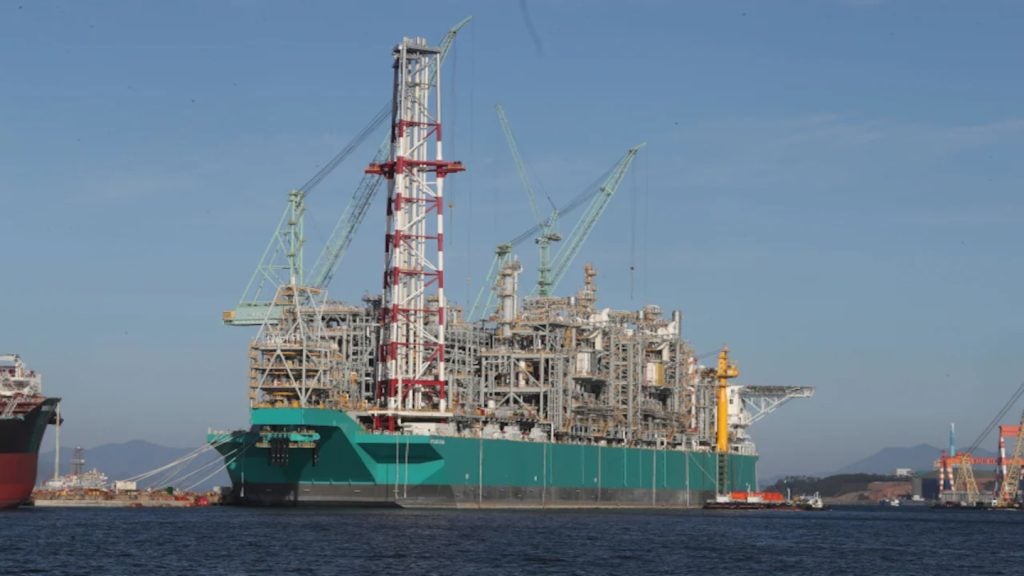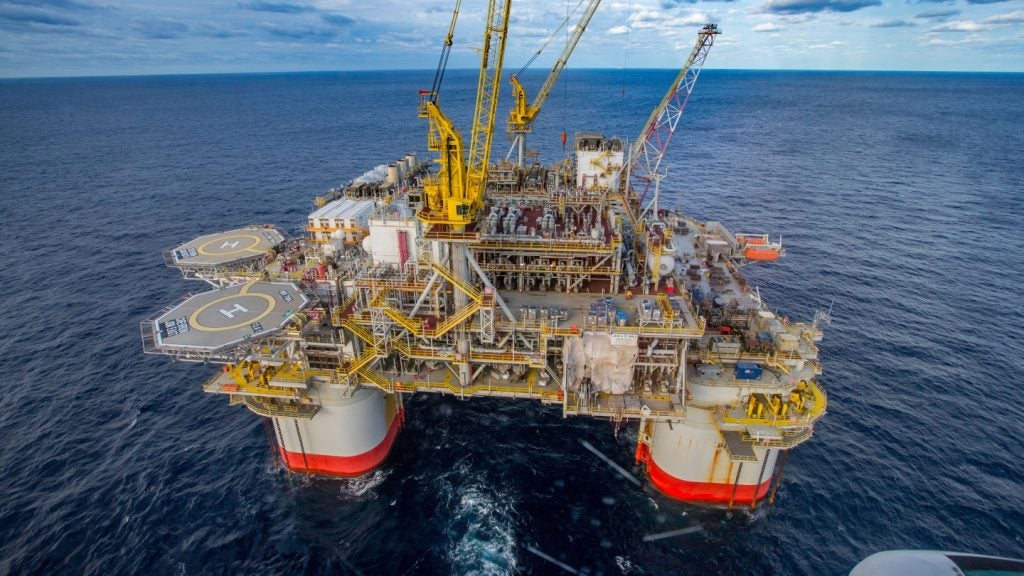
The Pluto Liquid Natural Gas (LNG) project processes gas from the Pluto and neighbouring Xena gas fields. The project is located 190km north-west of Karratha, Western Australia, in the Northern Carnarvon Basin.
The project is operated by Australia-based oil and gas company Woodside Energy (Woodside). It is a joint venture between Woodside, which has a 90% interest, and Japanese companies Tokyo Gas and Kansai Electric, which each have a 5% interest. Tokyo Gas and Kansai Electric became project partners in January 2008 and have 15-year sales agreements for the gas.
Recommended White Papers

Recommended Buyers Guides

Gas from the Pluto field is said to be naturally low in carbon dioxide (around 2%), which is lower than much of the other gas in the region.
The Pluto LNG project was originally scheduled to begin production in 2010. The field’s first gas entered the processing train in March 2012 due to delays in the completion of the Burrup LNG Park. The cost of developing the project also increased by A$900m ($953.64m) to A$14.9bn ($15.78bn).
Geology of the Pluto field area and Northern Carnarvon Basin
The Northern Carnarvon Basin developed during successive phases of extension and thermal subsidence. The first phase, from the Silurian to the Permian, created a series of intracratonic basins along the west coast of Australia during the breakup of Gondwana. Later extensions in the Early Jurassic created the four main depocentres, namely the Exmouth, Barrow, Dampier and Beagle sub-basins.
A third extension phase in the Middle Jurassic caused the seafloor to spread in the Argo Abyssal Plain to the north. A later rifting phase, from the Tithonian to the Valanginian, created the Gascoyne-Cuvier abyssal plains to the west and south.
The depocentres contain up to 15km of sedimentary infill. The Triassic to Early Cretaceous deposition is mainly siliciclastic deltaic to marine, whereas the Mid-Cretaceous to Cainozoic section is dominated by slopes, shelfal marls and carbonates.
The carbonate-rich sediments were deposited as a series of north-westward prograding wedges as the region cooled and subsided. This caused the underlying Mesozoic source and reservoir sequences to be buried deep in the inboard part of the basin.
Almost all the hydrocarbon resources are within the Upper Triassic, Jurassic and Lower Cretaceous sandstones beneath the regional Early Cretaceous seal.
Reserves at the Pluto and Xena gas fields
The Pluto field is estimated to contain 4.4 trillion cubic feet (tcf) of recoverable dry gas. Xena, the smaller of the two fields, contains 0.6tcf of recoverable dry gas.
Development of Western Australia’s Pluto LNG deposit
The Pluto leases cover an area of around 200ha, of which the plant and facilities cover around 80ha. Site preparation works at the Burrup LNG Park began in 2007.
The initial phase of the Pluto project consisted of an unmanned, remotely operated offshore platform in 85m of water, connected to five subsea big-bore wells on the Pluto gas field.
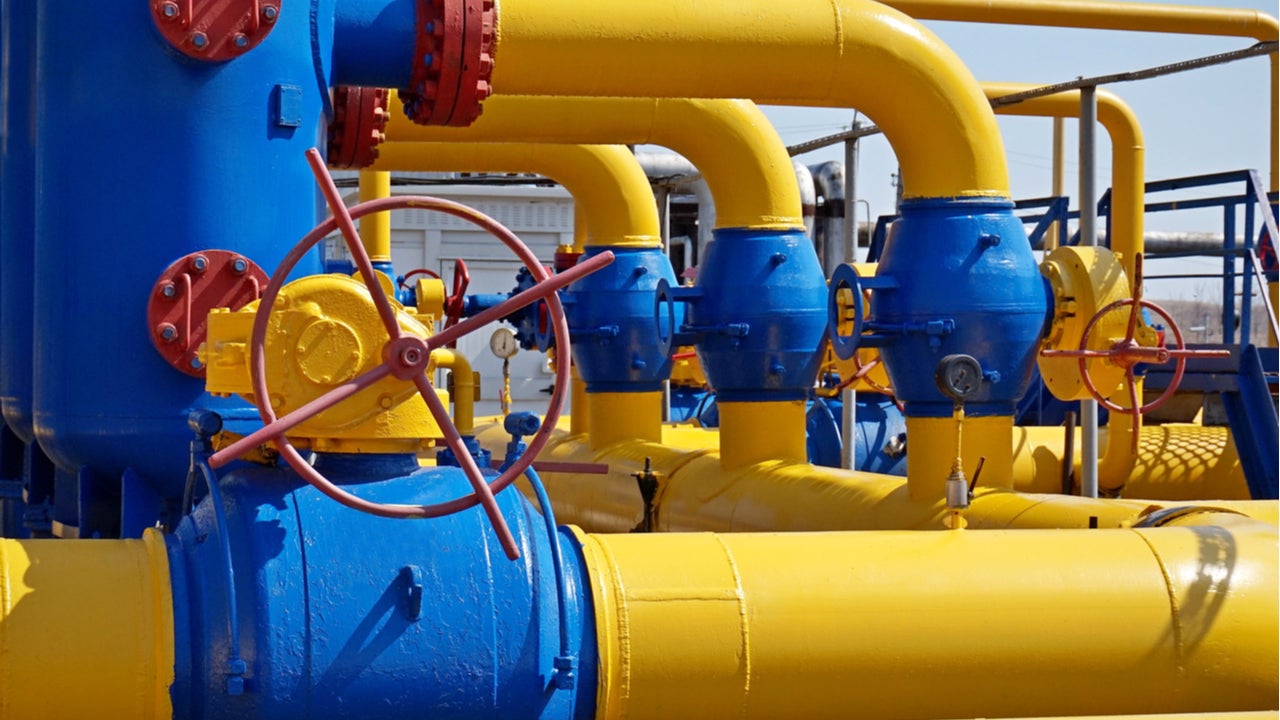
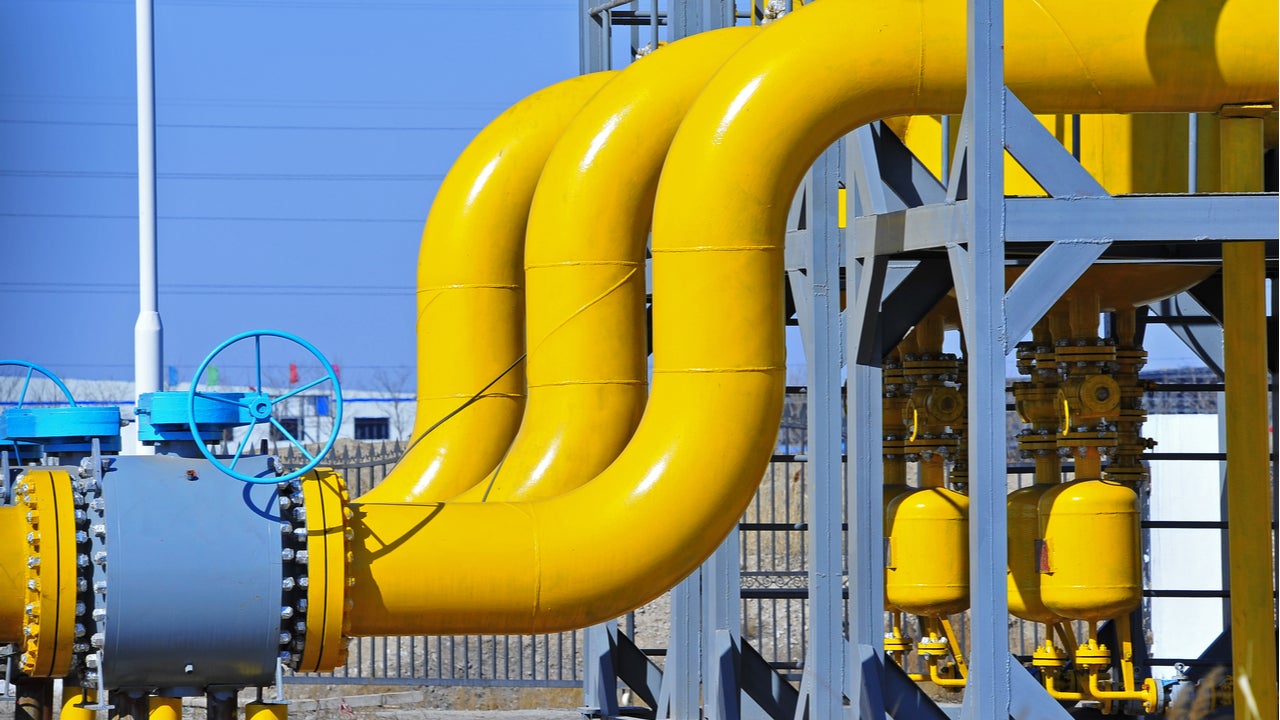
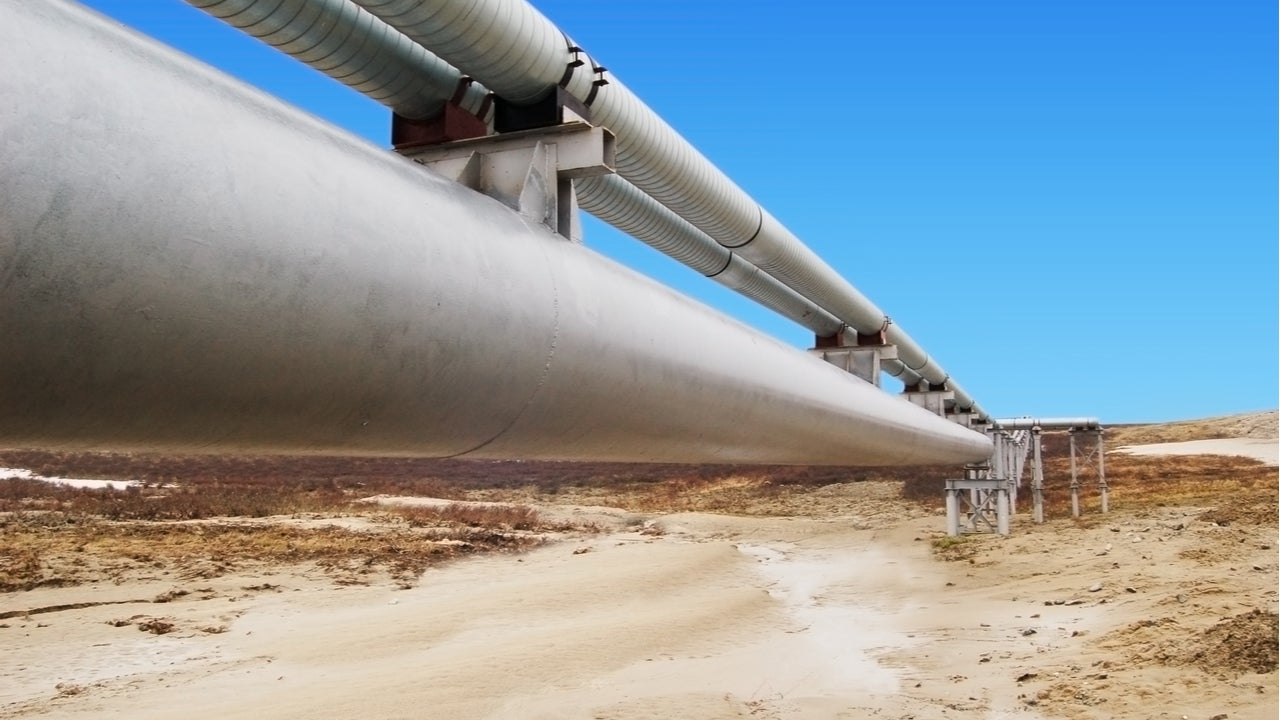
Gas is piped to shore along a 180km-long, 36in-wide pipeline to the Burrup LNG Park, located between the North West Shelf Venture and Dampier Port.
The gas is processed in a single LNG processing train, which has a production capacity of 4.9 million tons a year (Mtpa), more than the expected capacity of 4.3Mtpa at the time of the final investment decision. The gas is stored in two LNG tanks with a combined capacity of 240,000m³, and three condensate tanks with a combined capacity of 130,000m³.
The Burrup LNG Park is designed to aggregate gas from the Carnarvon Basin to support future LNG growth and create another domestic gas supply hub for Western Australia.
Pluto LNG brownfield expansion details
Woodside plans to build a second gas processing train for the brownfield expansion of the Pluto LNG project, known as Pluto Train Two. The train will process gas from the Scarborough field and will have a capacity of approximately 5Mtpa.
The expansion will also involve refurbishing the first Pluto train for processing around 1.5Mtpa of gas from the Scarborough field, and installing domestic gas infrastructure to increase its daily capacity to around 225 terajoules.
The front-end engineering and design (FEED) for Pluto Train Two was completed in 2019, with the final investment decision due in 2021.
The company is also developing an interconnector to transport gas from the Pluto LNG project to the Karratha gas plant (KGP), in order to unlock incremental value for the company’s Pluto and North West Shelf (NWS) projects. It is expected to come online in 2022 and will allow future development of other offshore gas reserves from Pluto.
Contractors involved in the Pluto LNG project
UK-based oil and gas joint venture Foster Wheeler WorleyParsons was contracted for the front-end engineering, design and EPCM of the Pluto LNG project. Australian firm BGC Contracting was contracted to prepare the storage and export site.
Australian company CPB Contractors (formerly Leighton Contractors) was contracted to prepare the LNG train site. Netherlands-based construction company CB&I (which filed for bankruptcy in January 2020) was contracted for the storage tanks, and Dutch shipping company Boskalis was contracted for the dredging.
In April 2009, Link Weld Engineering was awarded a $10m contract for the fabrication of 31 subsea tie-in spools for both deep water and shallow water (platform) applications. In September 2009, Ferguson Modular was awarded a £1.5m contract to provide a 15-module complex that can accommodate 48 people.
EOS, a joint venture between WorleyParsons and US-based engineering company KBR, was contracted for the front-end engineering and design of the platform topsides, substructure and production system engineering. Australian companies JP Kenny and Atteris were contracted for the flowline and trunkline engineering, and US-based pipeline solutions provider Bredero Shaw was contracted for the pipe coating.
American company TechnipFMC (formerly FMC Technologies) was contracted for the subsea hardware, and Australia-based oil and gas company McDermott Industries was contracted for the platform and its installation. Sino-Singapore joint venture Shenzhen Chiwan Sembawang was contracted for jacket fabrication, and Canada-based technology company Wenco for engineering services.
British construction modelling company DBM Vircon provided 3D building information modelling (BIM), the detailing of modular steelwork and a stick-built scope. Australian mining firm Bosnafix was contracted for various rebar services.
In February 2008, UK-based engineering company Acergy (operating as Subsea 7 SA since 2011) was awarded a $150m offshore installation contract. The company contracted MMA Offshore (formerly Neptune Marine Services) to provide marine support for the offshore installation. KBR was contracted for providing front end engineering and design (FEED) for the second and third trains.
Germany-based scaffolding provider Peri supplied wall lifts for the reinforced, pre-stressed concrete tank walls and 10,000m³ of wall concrete. Australian construction company Monford was involved in various civil work packages as part of a $20m contract.
In June 2018, TechnipFMC was contracted to upgrade the Pluto platform offshore for water treatment. TechnipFMC contracted UK-based engineering consultant MHB in December 2018 to produce the Pluto water handling module.
Australia-based consultant Bechtel Australia was awarded the engineering, procurement and construction contract for the Pluto Train Two development in October 2018.
Pluto LNG field environmental considerations
Woodside has invested up to A$100m ($77.75m) in a programme to offset reservoir emissions from the Pluto field to make it one of the most environmentally efficient LNG plants in the world. The programme involved an A$25m ($19.44m) investment for tree planting in 2008 and 2009.
The Pluto project involves the largest marine monitoring programme of its kind in the world, which aims to minimise the impact of dredging activities on marine life. Woodside has also committed to offsetting the project’s impact on the marine environment through a biodiversity offsets programme.