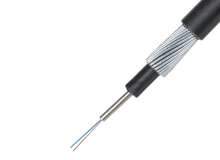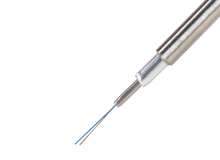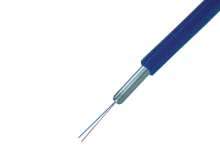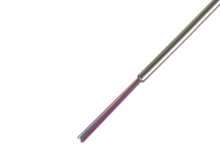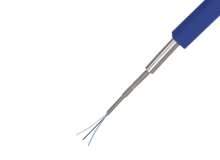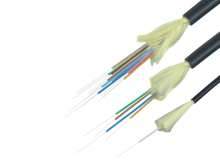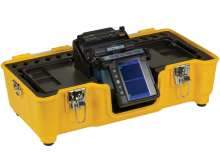


AFL's optical sensing cables were recently deployed through the McMurdo Ice Shelf and into the Ross Sea in Antarctica, as part of a study to measure the effects of warming ocean water on glacial ice. The study by Dr Scott Tyler at the University of Nevada, Reno, uses the latest in fiber optic sensing technology to acquire temperature profiles with 0.033°C accuracy through the ice shelf all the way to the bottom of the sea.
Dr Tyler said: "This technology allows us to do something never before done: to record continuous temperature data in and under the ice shelf. The melting of the ice shelves from below by warmer ocean water represents a critical unknown in the assessment of Antarctic ice sheet collapse and the potential for very rapid sea level rises around the world. This will allow us to assess the potential for collapse."
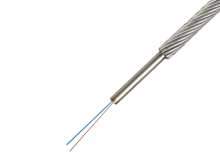
AFL's fiber optic cable was deployed through the 200m ice shelf and allowed to sink to the bottom of the sea. There were a number of design considerations for this project. With the cable being frozen in place through the ice shelf, significant radial compression was expected along the length of the cable.
For more information, please download this free case study.