
Garantiana Oil Field, North Sea
Garantiana oil field is located in Production License (PL) 554 of the Norwegian North Sea in 384m of water.

OptaSense is a leading specialist in Distributed Acoustic Sensing (DAS) and Distributed Temperature Sensing (DTS) technology, providing real-time observations of well operations in the oil and gas industry.

You have successfully submitted your enquiry. Someone from our company will respond ASAP
OptaSense is a leading specialist in Distributed Acoustic Sensing (DAS) and Distributed Temperature Sensing (DTS) technology, providing real-time observations of well operations in the oil and gas industry.
OptaSense DAS offers many advantages over traditional wellbore surveillance methods. The technology is revolutionising significant areas of oil field services management:
OptaSense DAS essentially turns a standard optical fibre into an array of virtual microphones. Short pulses of highly coherent light are transmitted down the fibre by an interrogater unit, and backscatter returns are observed coming from the inherent physical imperfections present in any standard fibre optic. The backscatter observations detect minute cable strains induced by acoustic or seismic signals. The backscatter is then passed through to a processing unit which provides interpretations and visualisation of the signal.
The optical fibre is either deployed on a production string or temporarily on coiled tubing. Once the fibre is installed, there is no need for further well intervention, making it possible to perform Vertical Seismic Profiling (VSP) on multiple wells from a single pad location.
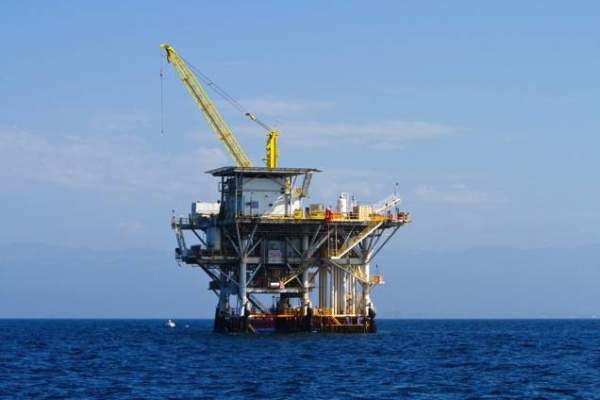
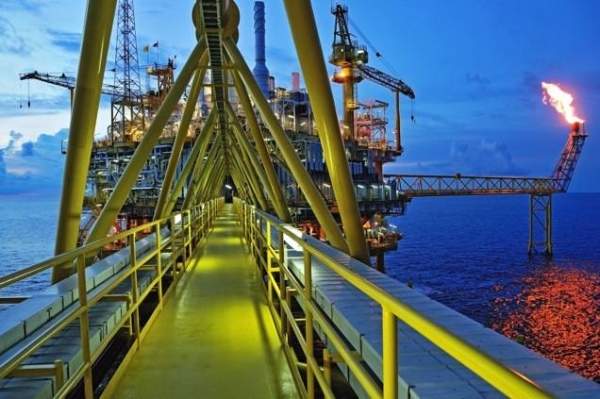
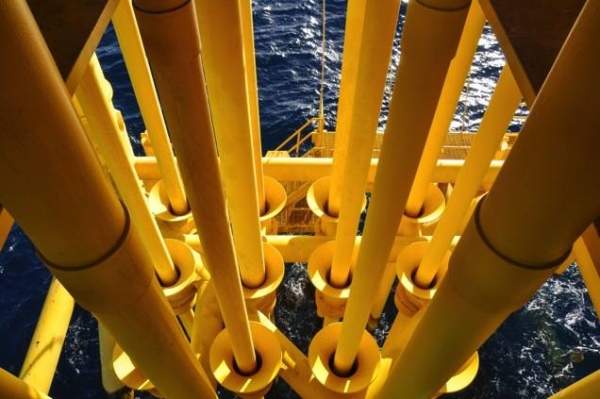
High-temperature wells, such as those used for steam injection, can now be imaged with DAS. The process uses fibres that can withstand temperatures in excess of 300°C. It is also possible to make repeatable borehole seismic measurements safely in producer wells, injector wells, wells with restricted access and wells which are highly deviated.
The OptaSense DAS VSP service allows for seismic measurements without geophones. The service enables the interfacing and synchronised control of seismic sources for accurate timing, real-time correlation and the stacking of virbroseis data. This produces standard seismic data files in SEG-Y or SEG-D format in real-time, with fully populated headers. It also provides a secure live internet feed of the acquisition of seismic records for remote quality control and assessment.
DAS VSP provides the ability to take repeated time-lapse measurements on a dense array of hundreds of virtual sensors, with full coverage of the well from top to bottom, without well intervention. This provides a unique capability for enhanced imaging of reservoirs. It has been used and certified for the monitoring of carbon dioxide injection, for example.
OptaSense DAS also enables permanent borehole micro-seismic monitoring, especially of larger-magnitude events that originate at existing fault locations. The broad bandwidth and high dynamic range of OptaSense DAS technology enable the accurate measurement of large low-frequency seismic signals generated at existing fault locations. The technology’s long array sensing aperture enables geolocation of these events in deviated wells.
OptaSense DAS also makes it possible to monitor the entire hydraulic fracturing process at the treatment zone. This includes monitoring of packer deployment, perforation detonation, sleeve opening, fluid and proppant entry, and plug setting.
In-situ monitoring provides an unrivalled ability to visualise and hear exactly what is happening along the well, in particular at the treatment zone. This delivers the following entirely new benefits:
The OptaSense DAS Hydraulic Fracture Profiling (HFP) service continually monitors and records acoustic signals measured by DAS, temperatures measured by a fibre-optic DTS system, and pump rates provided by the on-site pumping contractor. It also delivers:
Permanent production flow logging is now possible using DAS, and OptaSense is working to provide the ability to measure flow rates along the well, zone and perforations. With no need for well intervention, and with minimal interference with the flow, DAS permanent production logging is developing rapidly as an exciting alternative to conventional Production Logging Tools (PLTs).
The first of OptaSense’s production services is to offer the ability to assess flow / no flow behaviour across different perforations. With repeat measurements, this information can be used to monitor the effectiveness of each perforation entry point and through-life production profile. The tool can also be used to determine the flow / no flow across In-flow Control Valves (ICVs), Electrical Submersible Pumps (ESPs) and gas-lift valves in smart well completions.
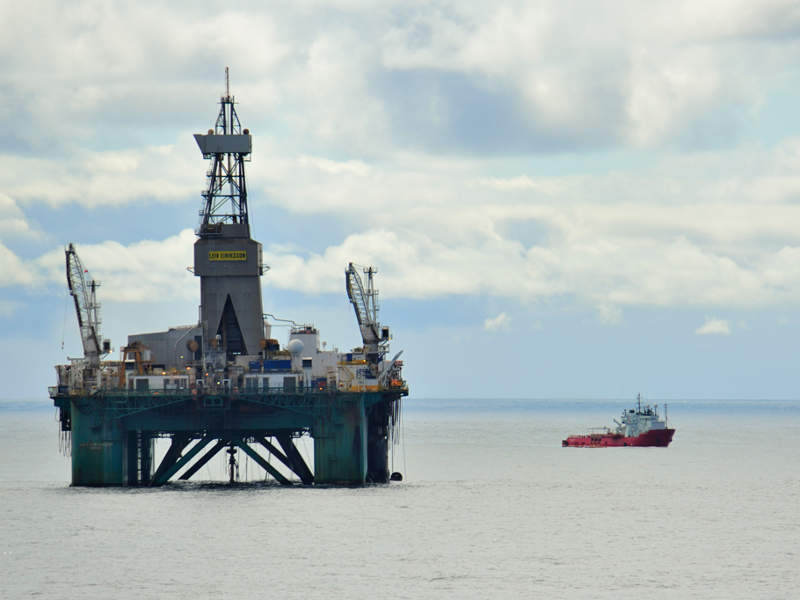
Garantiana oil field is located in Production License (PL) 554 of the Norwegian North Sea in 384m of water.
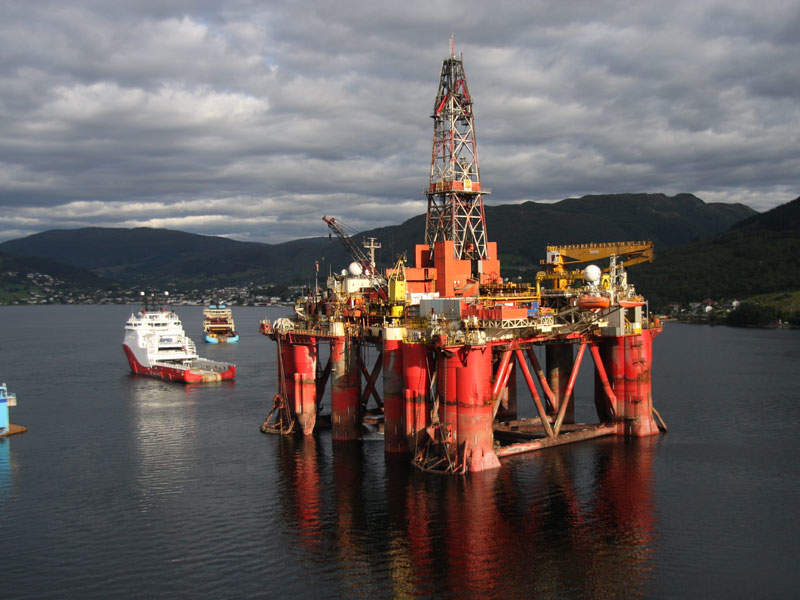
The Rolvsnes field lies in production licence PL338C of the Norwegian North Sea in water depths of 100m, and is located approximately 6km away from the Edvard Grieg field.
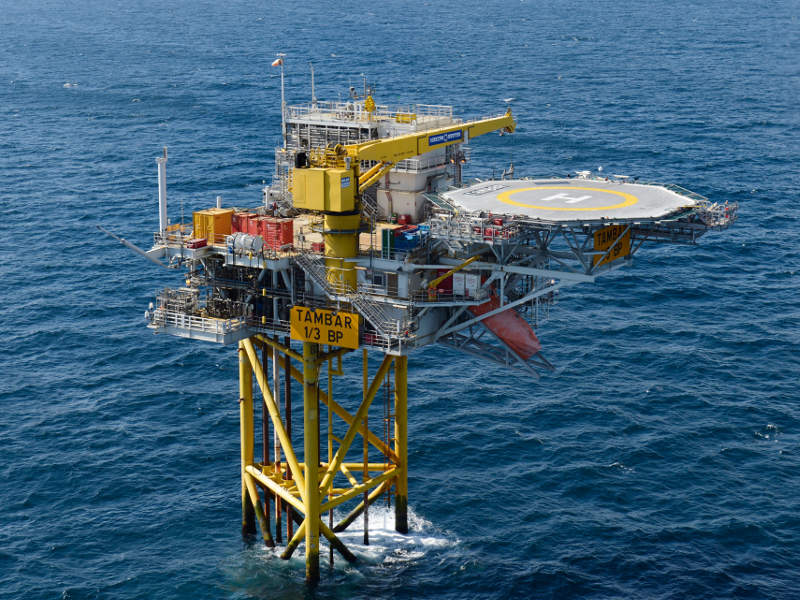
Tambar oil field is located in production licence PL065 in the Norwegian part of the North Sea, in a water depth of 68m.

Carcara discovery is located in the ultra-deep waters of the BM-S-8 offshore licence, within the pre-salt layers of Brazil's Santos Basin.
The Nooros gas and condensate field is located in the shallow waters of the Nile Delta, approximately 120km north-east of Alexandria, Egypt. Discovered in July 2015, the field is part of the Abu Madi West development license.