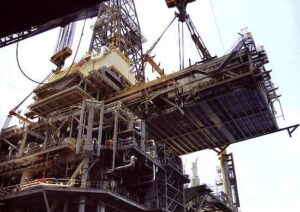
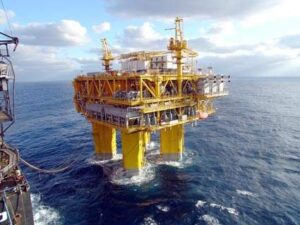
White Rose Oil and Gas Field, Canada
The life of the White Rose field is expected to be extended through the development of the West White Rose satellite field.


You have successfully submitted your enquiry. Someone from our company will respond ASAP
TeamTec fire-rated marine windows are available in fire classes A-0, A-60 and H-120. They withstand fire, water pressure and explosions, and have a range of sound-reduction values that satisfy NOSOK requirements.
Our fire-rated windows provide a wide range of benefits:
A-60 fire-rated marine windows
Where A-60 windows are to be installed numerous strict criteria are required to be met. TeamTec A-60 fire-rated marine windows comfortably meet all requirements, as listed below:

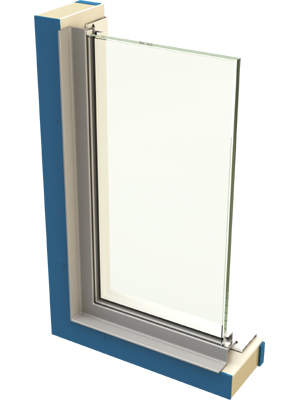
Explosion-pressure resistant windows
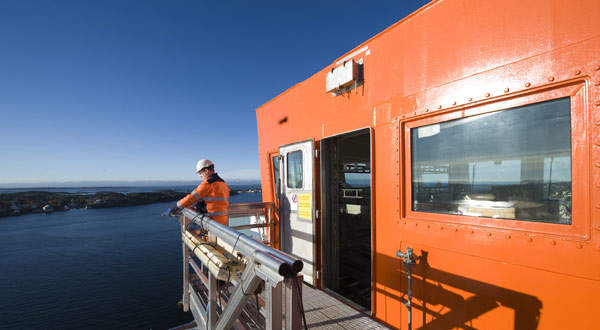
Our A60 windows are, due to their rugged construction, also suitable for applications where explosion pressure is a requirement. H120 (H60) windows are used on offshore production units including FPSOs.
Our H-class windows are constructed in the same manner as our A-60 class windows. The difference is the thickness of the fire-protective H-class glass. Our windows offer a unique combination of superior optical quality and explosion resistance.
A-0 fire-rated maritime windows
DNV requires all new supply ships with a Fi-Fi class rating to be equipped with A-0 windows. This requirement includes the wheelhouse as well as cabins. TeamTec will guarantee for the optic and are probably the only company in the industry that can provide this not only for A-0 windows but all its windows.
Jet-fire resistant marine windows
On some marine window installations there are jet-fire resistance requirements. Our H-120 fire-rated windows are the highest fire-rated windows to have been successfully tested to this standard.
High-temperature test furnace for fire-rated marine windows
Our windows are tested in a furnace where temperatures reach 945°C for our A-class windows and 1,100°C for our H-class windows.
Sound tested fire-rated maritime windows
Our windows have been sound tested by Byggforsk and Nemco in Oslo, Norway, and the test showed that we can manufacture windows with a sound reduction of 64dB. TeamTec can therefore fulfil the requirements between 48dB to 64dB sound reduction.
Float glass for fire-rated marine windows
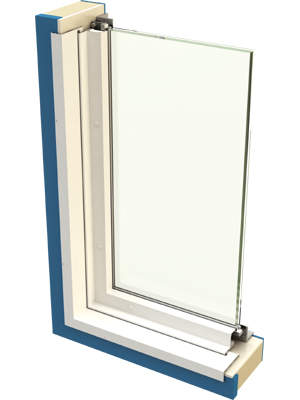
Our windows use the highest quality, blemish-free float glass, laminated with silicate and equipped with UV-stop film. A special lamination process ensures high insulation value against noise, solar and heat loss. The glass package bolts into the external frame from the cabin side.
Frames for fire-rated maritime windows
The external frames for our fire-rated windows are made from a sturdy steel angle bar, and can be welded or bolted on to the structure. The internal frames are telescopic, for ease of installation. The frames are constructed of extruded, seaworthy aluminium.
Optional accessories for fire-rated marine windows
A range of options are available for customising TeamTec fire-rated marine windows, including roller blinds, Venetian blinds, tinted glass, stainless frames and bullet-proof glass.
Fully fire-tested maritime windows
Our marine windows have been fire-tested on both sides, including by the hose stream tests and heat radiation tests demanded by the latest IMO requirements and FPT codes.
Approved fire-rated marine windows
Teamtec holds a solid range of approval certificates for its fire-rated marine windows, gained from an extensive list of class societies. The windows are certified by all major classification societies, including MED.

The life of the White Rose field is expected to be extended through the development of the West White Rose satellite field.
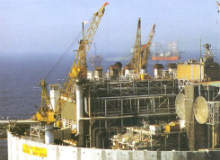
The original Ekofisk area development consisted of eight oil and gas fields, namely Cod, Ekofisk, West Ekofisk, Tor, Albuskjell, Eldfisk, Edda and Embla.
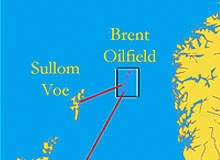
The Brent oil and gas field is located 186km off the north-east coast of the Shetland Islands, Scotland.
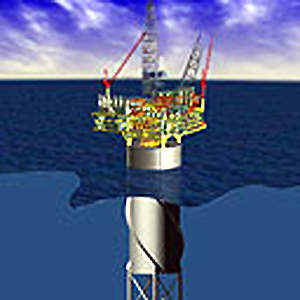
The Perdido Regional Host development lies in the Gulf of Mexico, approximately 200 miles south of Freeport (Texas). It
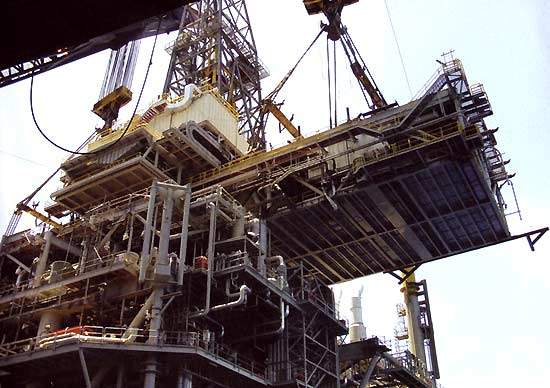
The Mad Dog field is located in Western Atwater Foldbelt, Gulf of Mexico, approximately 190 miles south of New Orleans,
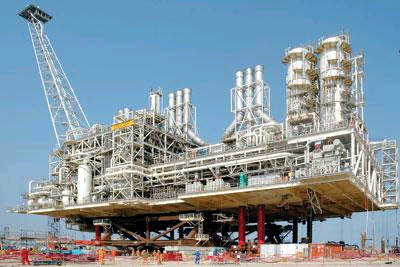
The Azeri-Chirag-Gunashli (ACG) field lies 120km off the coast of Azerbaijan in 120m of water and contains 5.4 billion barrels of recoverable oil.
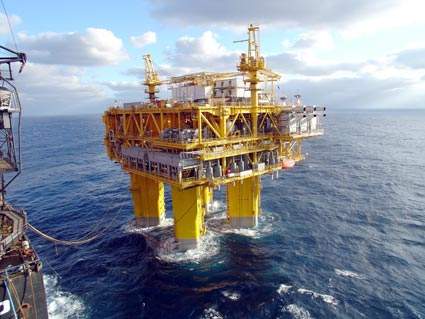
The Marco Polo field is located in Green Canyon block 608, 160 miles south of New Orleans. It is fully owned and operate
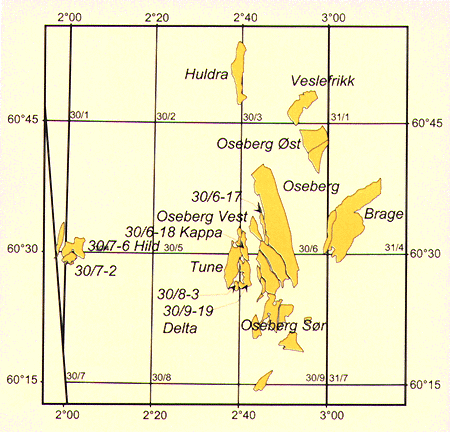
The Oseberg Sør field was discovered in 1984, when Norsk Hydro drilled well 30/9-3.
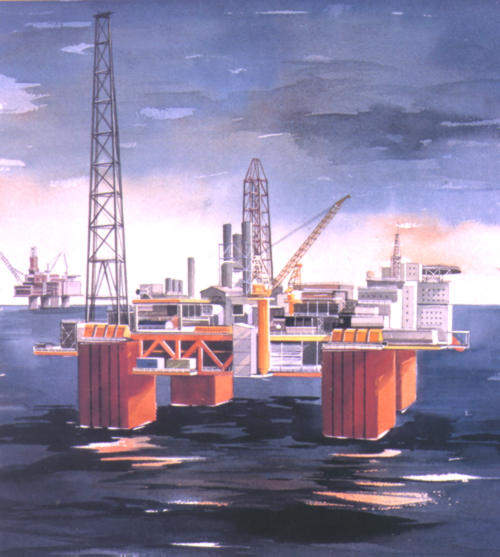
The Snorre field lies in blocks 34 / 4 and 34 / 7, approximately 200km west of Floro in the Norwegian North Sea.
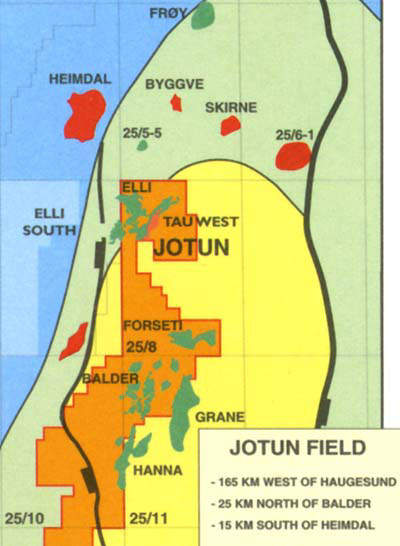
The Jotun field is located on the Utsira High, between the Balder and Heimdal fields, approximately 200km west of Stavanger, Norway.