

Fatal Garage Fire Highlights Petrol Vapor Risks and Hazardous-Area Inspection Pit Lighting
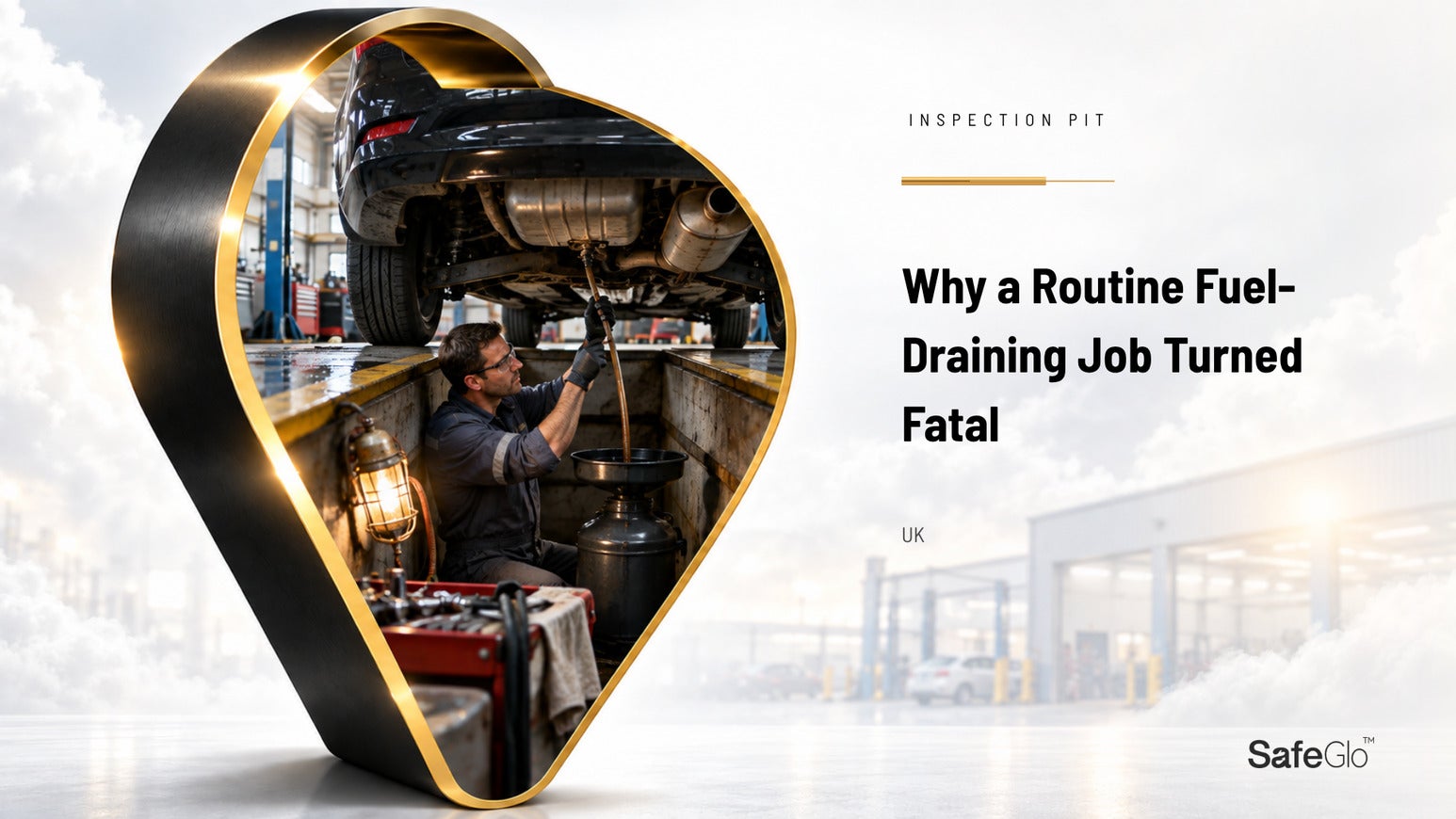
Broken inspection lamp spark ignites petrol vapours in a mechanic’s pit
| Environment | Vehicle repair garage, mechanic’s inspection pit, England, UK |
| Incident source | HSE safety bulletin/case study example |
| Research status | Verified against primary/official source material where available |
A routine fuel-draining job became a fatal fire because petrol vapour and an ignition-capable light were brought together in a confined work area. The setting was a vehicle repair garage with a mechanic’s inspection pit. Petrol was being drained; vapour could collect in the low-level space, and an inspection lamp was reported as a possible ignition source. The result was an explosion and fatal burns.
What happened
The critical feature of this type of incident is the pit itself. Petrol vapour is not confined to the point where fuel is being drained. Vapour can travel and accumulate in low areas, turning a normal maintenance space into a hazardous atmosphere. An inspection pit creates exactly the kind of low-level geometry that can make vapour accumulation difficult to judge from the worker’s position above it.
The supplied case description identifies a broken inspection lamp as the possible ignition source. That wording matters. The lamp should be treated as a reported or possible source rather than presented as a proven finding beyond the source material. The prevention lesson is still clear: ordinary electrical equipment has no place in a classified hazardous area unless it is suitable for that area and the exact conditions.
Why the conditions mattered
The risk was created by the combination of fuel, vapour, confined geometry, and ignition potential. Petrol is highly volatile, so draining fuel can create vapour even when the visible quantity of liquid appears manageable. OSHA’s current flammable-liquid standard requires ventilation adequate to prevent significant vapour-air mixtures and requires ignition sources to be controlled along the possible path of vapour travel. OSHA also recognises gasoline service and repair environments as locations where hazardous electrical conditions may exist.
For a garage team, lighting therefore has two separate jobs. It has to make the work visible, and it has to avoid becoming part of the ignition risk. Solving only the first problem is not enough. A bright general-purpose lamp can improve visibility while still introducing an unacceptable source of ignition.
What should have been controlled
The work area needs to be treated according to its documented hazardous-area classification and the actual fuel-handling task. Ventilation, fuel isolation, drainage, housekeeping, ignition-source control, and suitable electrical equipment work together. The lighting choice cannot replace those controls.
The inspection pit is particularly important because the worker needs illumination at the lowest point of the task. A remote ceiling fixture may leave the pit floor, fuel connections, and surrounding surfaces in shadow. That can push mechanics toward portable lamps. If those lamps are not approved for the location, the visibility solution can create a new hazard.
Where SafeGlo fits
Safety managers need to prevent a visibility measure from becoming an ignition exposure. SafeGlo should therefore be considered only as part of the site’s hazardous-area control strategy, with the exact product certification checked against the garage’s classification and the materials handled. The useful question is not simply, “Is this an explosion-proof light?” It is, “Is this exact model approved for this exact hazardous location and installation?”
Operations teams need a lighting arrangement that does not force mechanics to improvise when the pit is occupied. A purpose-designed installation can reduce the need to carry ordinary trouble lights into the work zone. That supports a defined workflow: isolate the fuel task, establish the required ventilation and atmosphere controls, illuminate the work area with suitable equipment, and complete the job without introducing an unapproved light source.
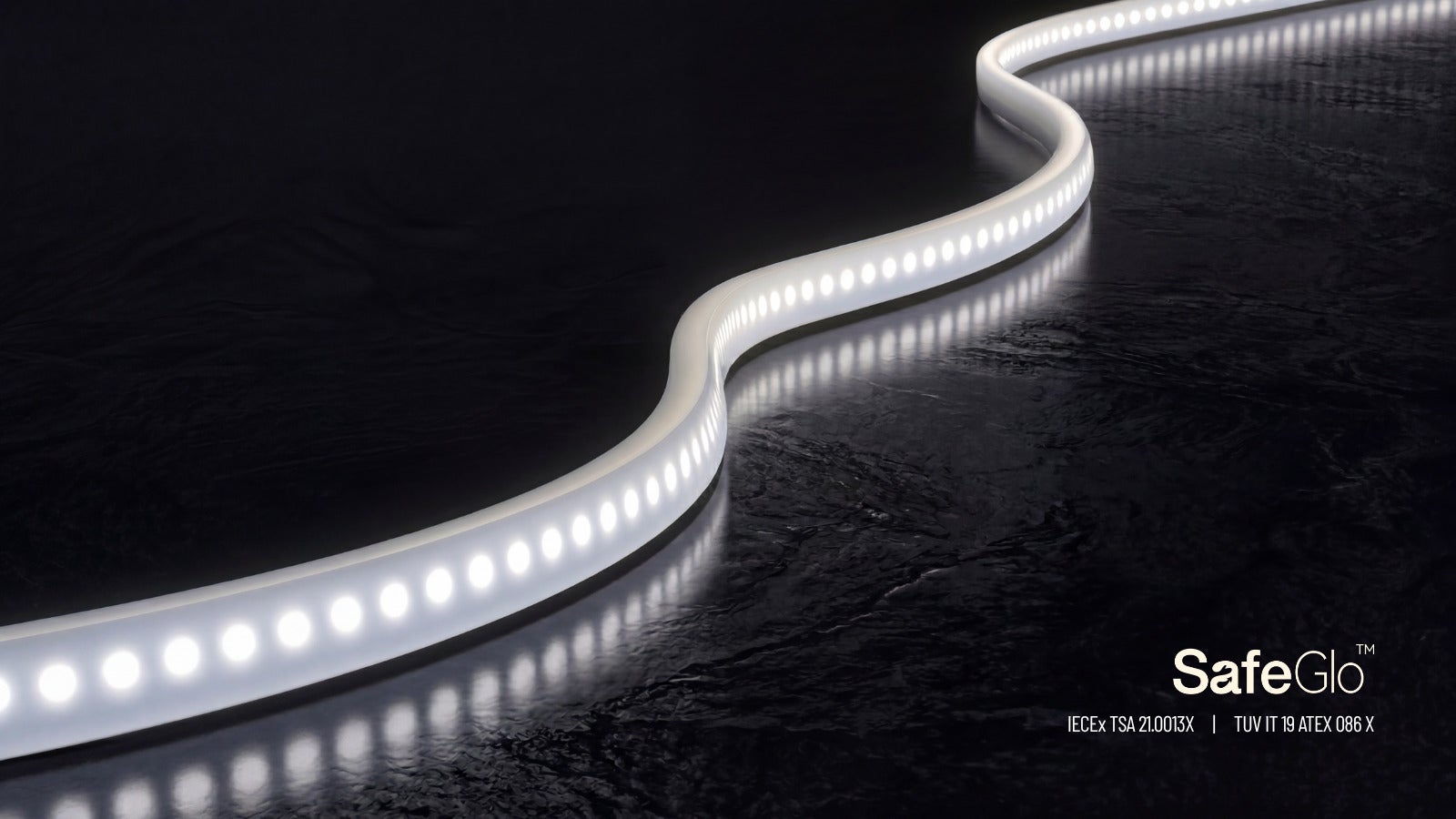
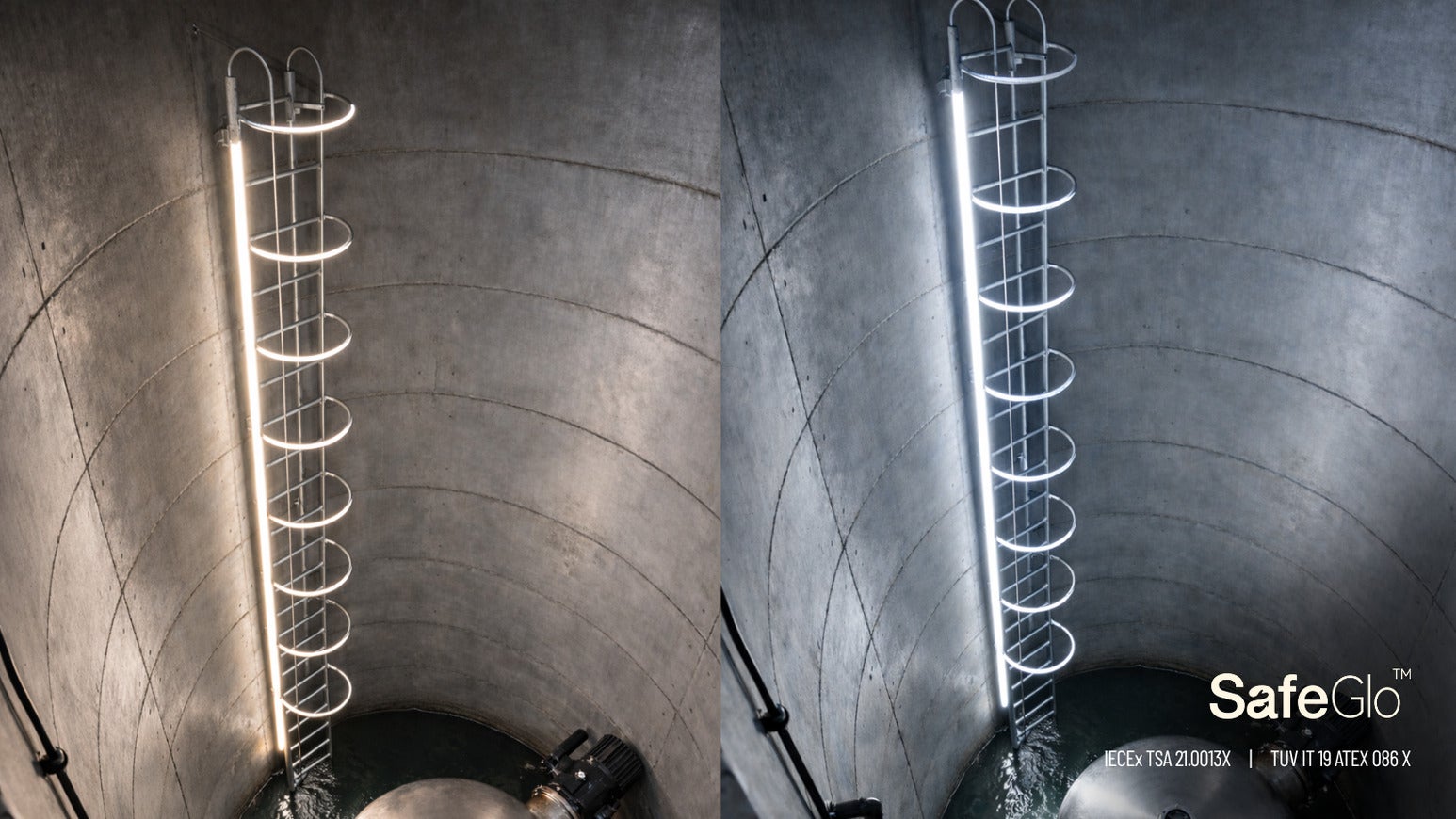
Engineering teams need to design around the pit geometry. SafeGlo’s value in this environment is the ability to provide controlled illumination along elongated or difficult layouts rather than relying on a single distant point source. The engineering review still has to confirm classification, mounting position, temperature requirements, environmental exposure, wiring method, and certification.
Procurement and ESG teams need to look beyond unit price. A lighting system that survives the environment and reduces frequent intervention can reduce maintenance exposure, replacement activity, and temporary-light use. Those benefits only count when the installed configuration remains compliant with its approved use.
The prevention takeaway
A mechanic’s pit is not simply a darker version of a workshop. Once petrol vapour is present, the space must be treated as a potential ignition environment. The safest lighting strategy makes the task visible without introducing another credible ignition source. Lighting is one layer of the control system, alongside ventilation, fuel handling, isolation, housekeeping, and hazardous-area procedures.
The lesson for hazardous-area lighting is direct: visibility should remove risk, not move it from the dark corner to the light fixture.
Source link: https://www.hse.gov.uk/