

Offshore Platform Pipe-Rack Corridor
Eliminate dark gaps along offshore inspection routes
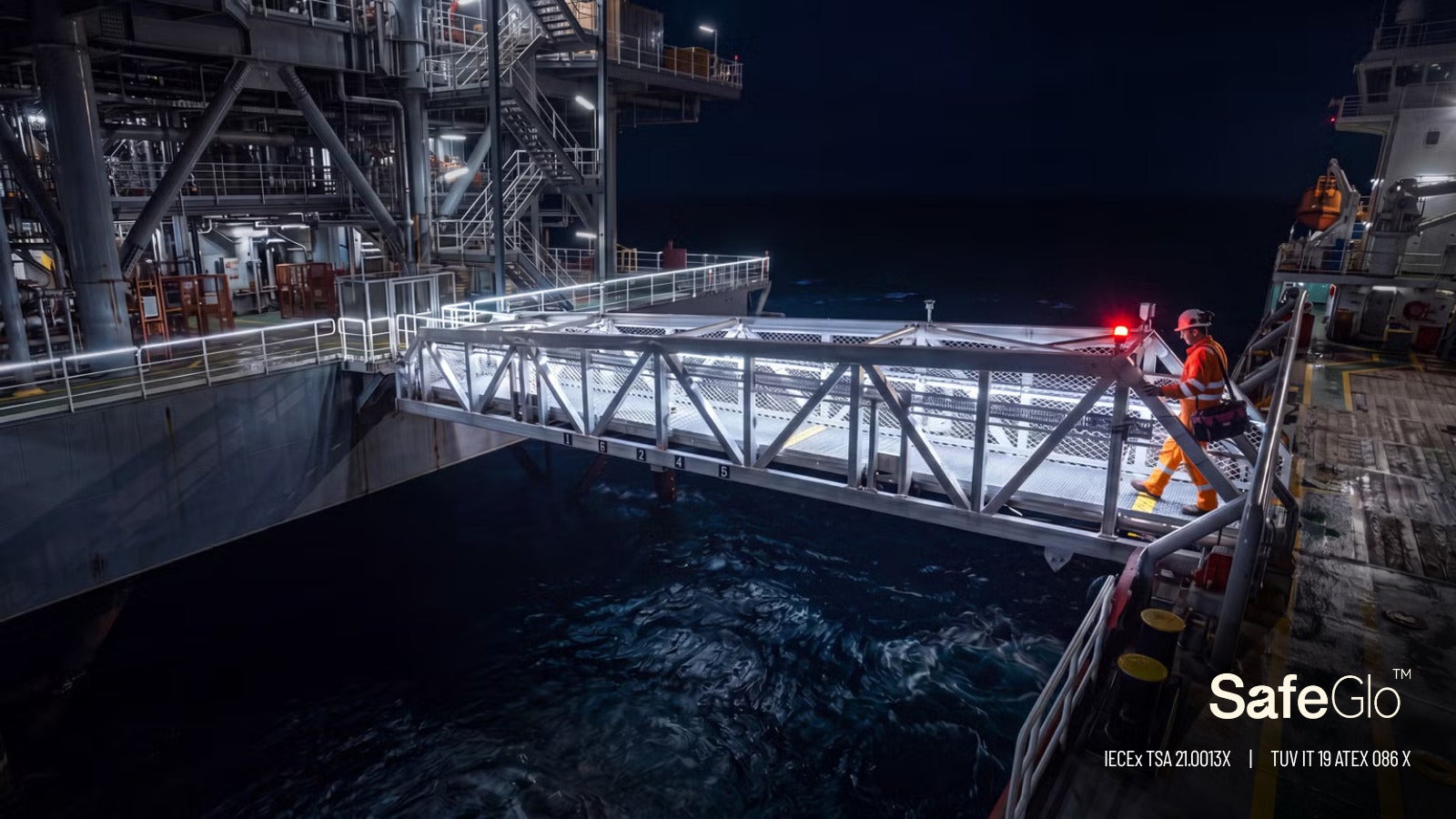
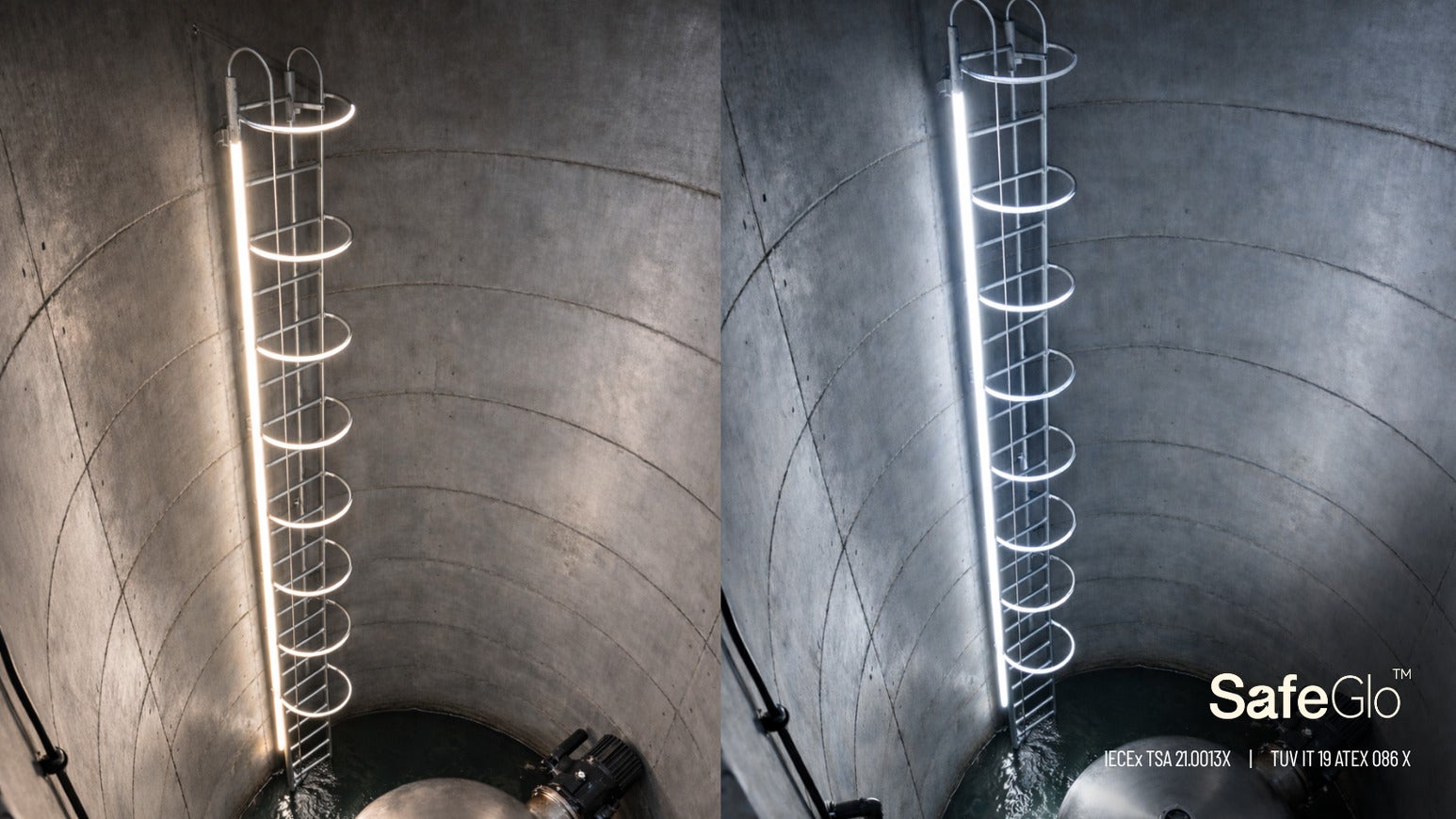
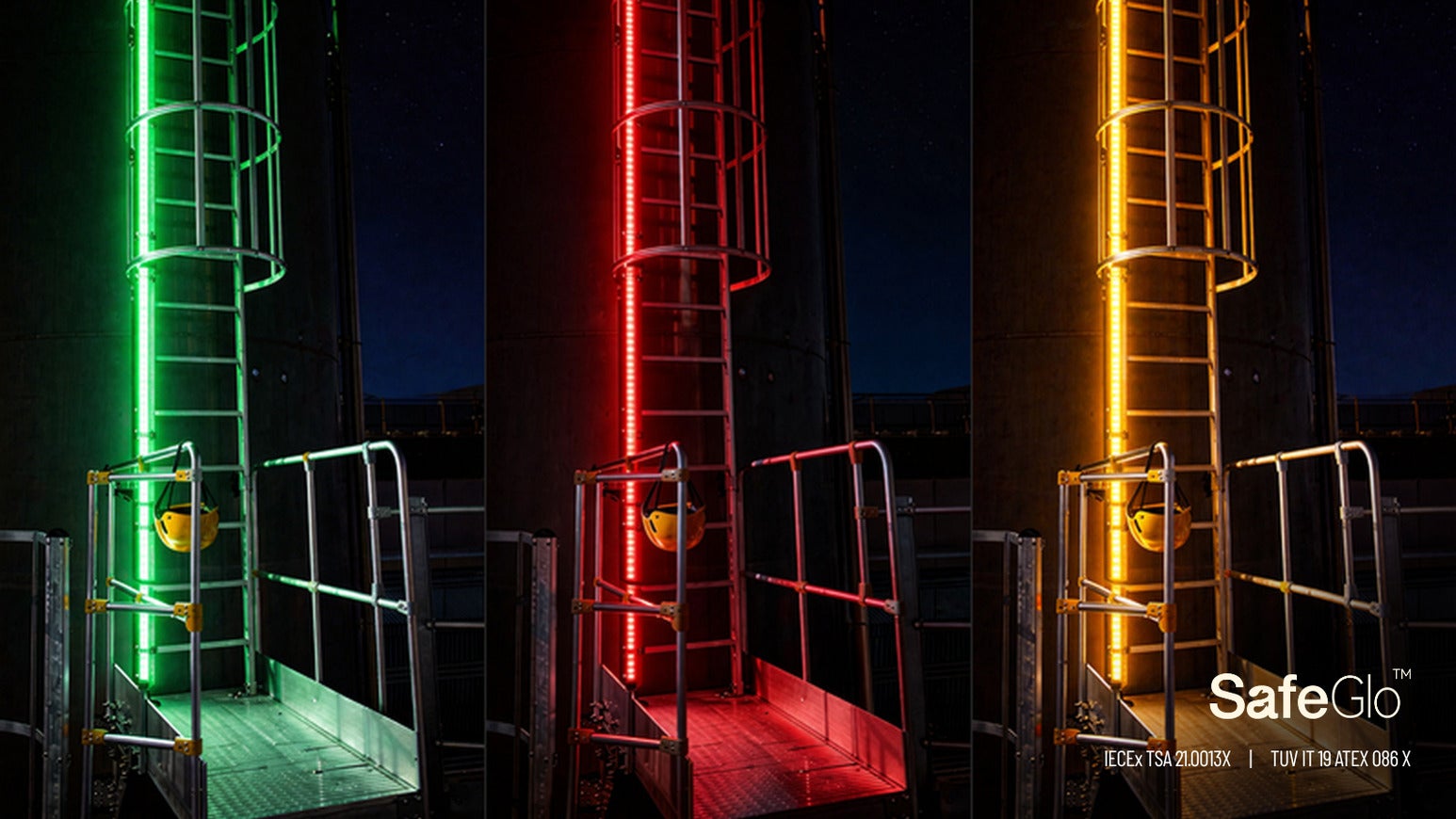
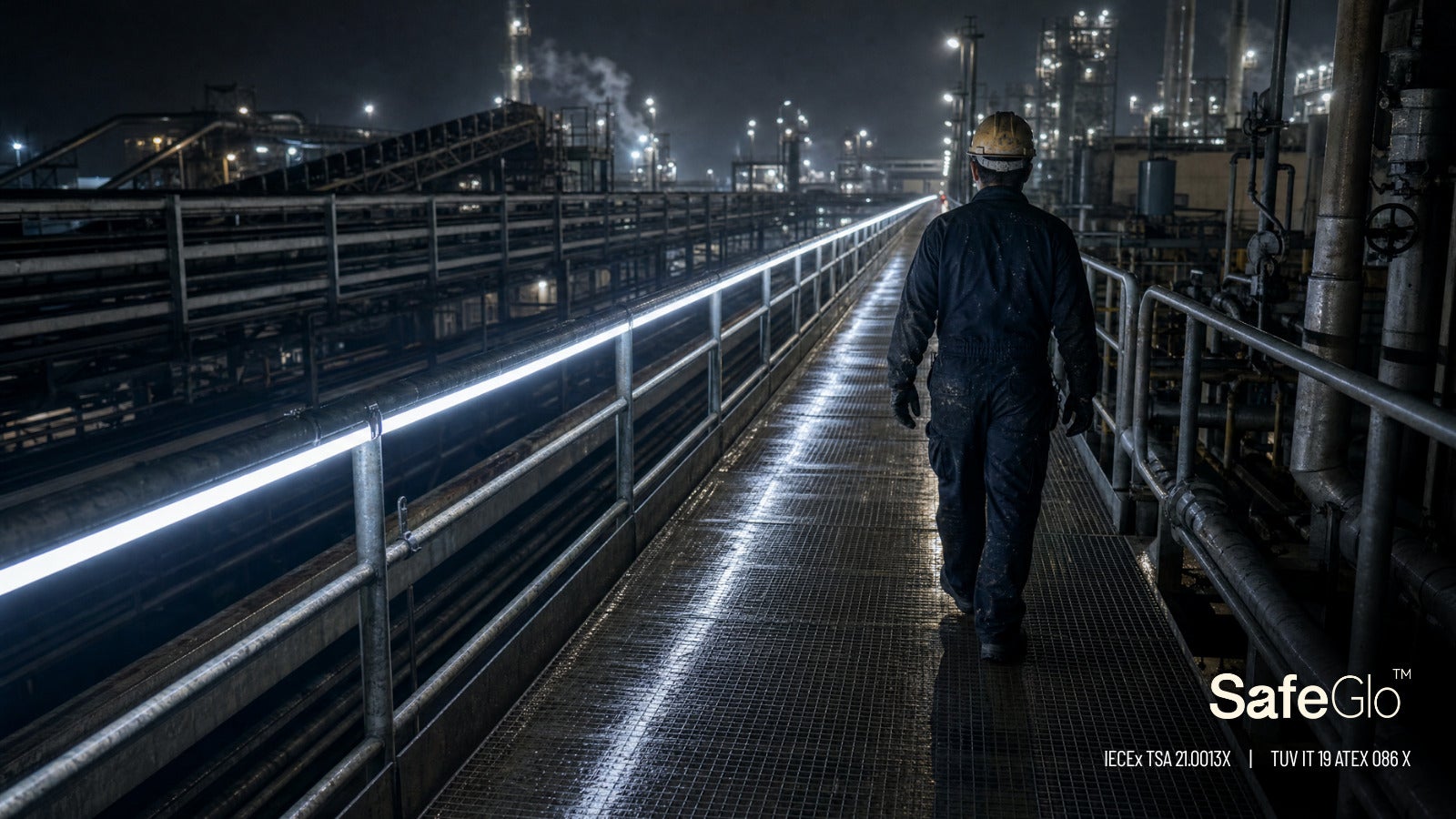
Night rounds through an offshore pipe-rack corridor can fail for a simple reason: the route disappears into shadow. Pipework, structural steel, equipment legs, weather, glare, and uneven ambient light can break the visual line between one access point and the next. A handrail path light turns the route itself into the reference, so personnel do not have to search for the safe line while moving through a congested corridor.

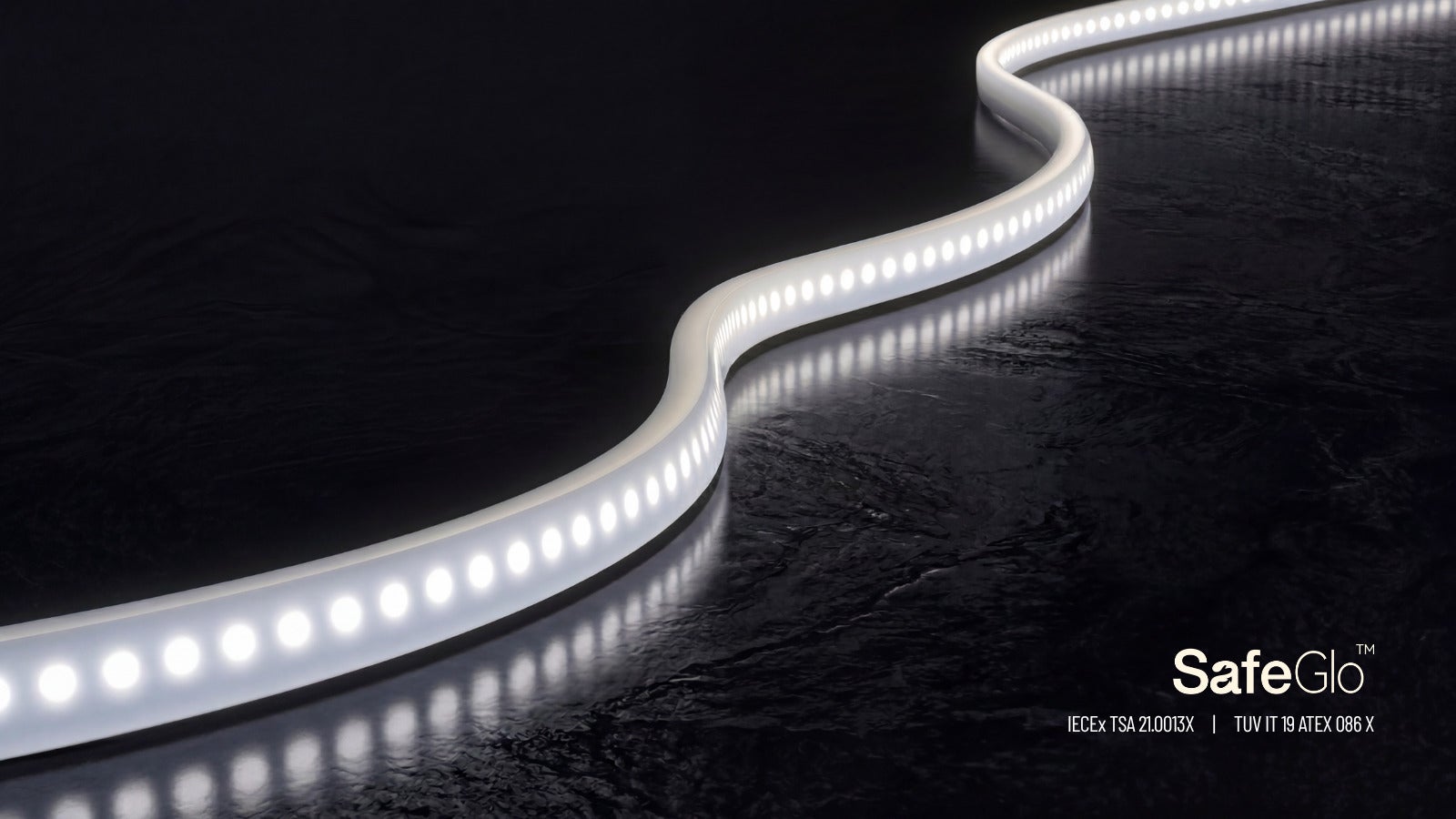
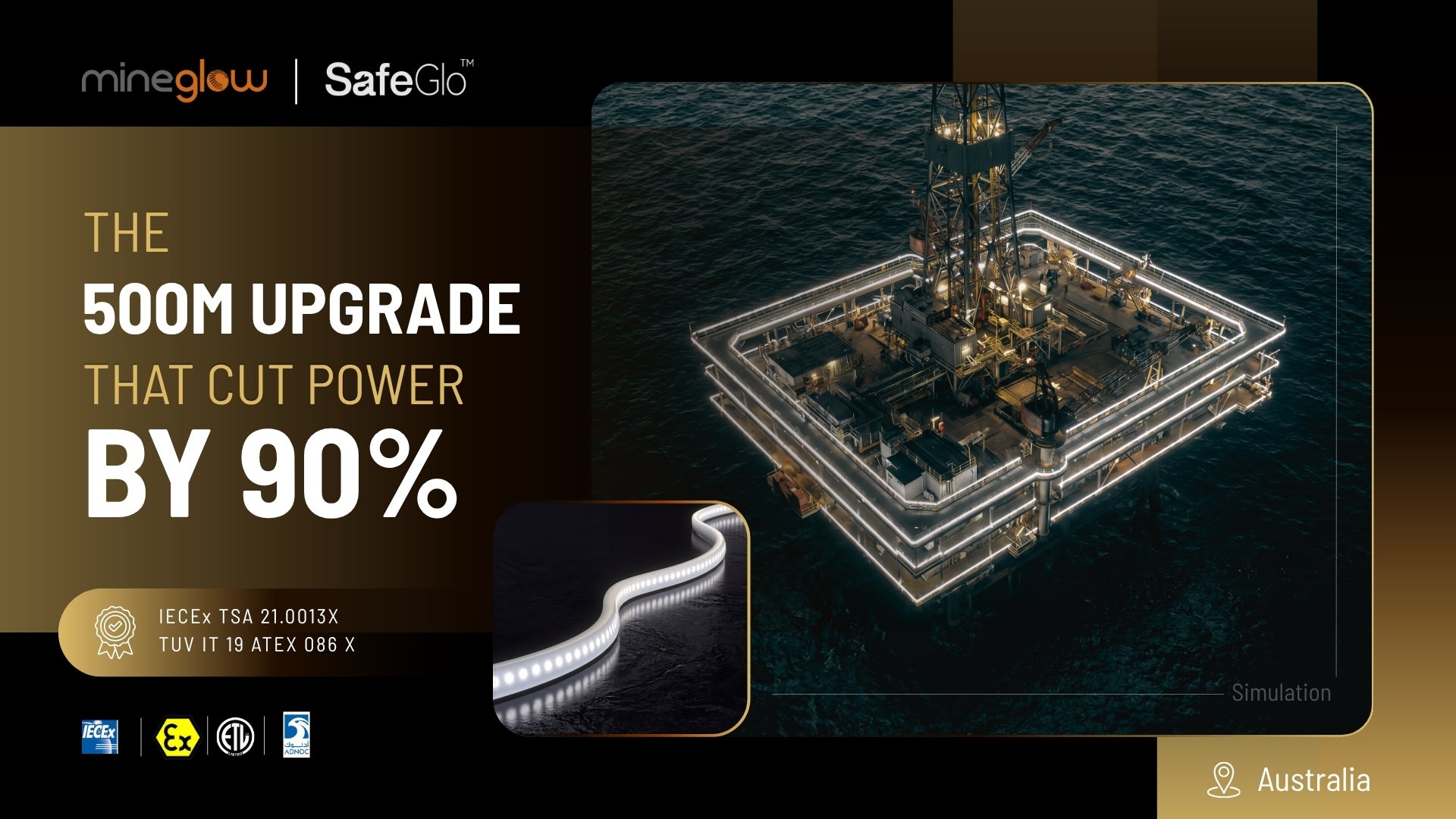
The lighting follows the handrail and keeps the travel edge visible along the full route. That matters when workers are scanning equipment, carrying tools, watching footing, or moving between inspection points after dark. The objective is not to flood the corridor. It is to remove the dark gaps where a trip, wrong turn, missed obstruction, or delayed response can begin.
Safety managers: cuts the chance of a worker stepping into an unseen obstruction, missing a level change, or losing the route during a night inspection.
Operations: prevents rounds from becoming dependent on handheld torches, temporary lamps, or memory of the corridor layout.
Engineering: avoids fixture placement conflicts in narrow pipe-racks by using the handrail geometry as the lighting path.
Procurement / ESG: reduces recurring temporary-light deployment, damaged portable equipment, cable handling, and repeated replacement activity.
For offshore use, the value sits in route control. The worker sees where the corridor continues before reaching the next shadow zone. The lighting becomes a continuous boundary between the walking path and surrounding process equipment.
This is especially useful where traditional luminaires create bright pools separated by dark sections. Instead of accepting those visual breaks, the handrail becomes a persistent low-level guide. That reduces uncertainty at the exact moment a person is moving, inspecting, and making decisions in a hazardous environment.