

MV Nego Kim Explosion Highlights Marine Confined Space Lighting and Paint-Vapour Risks
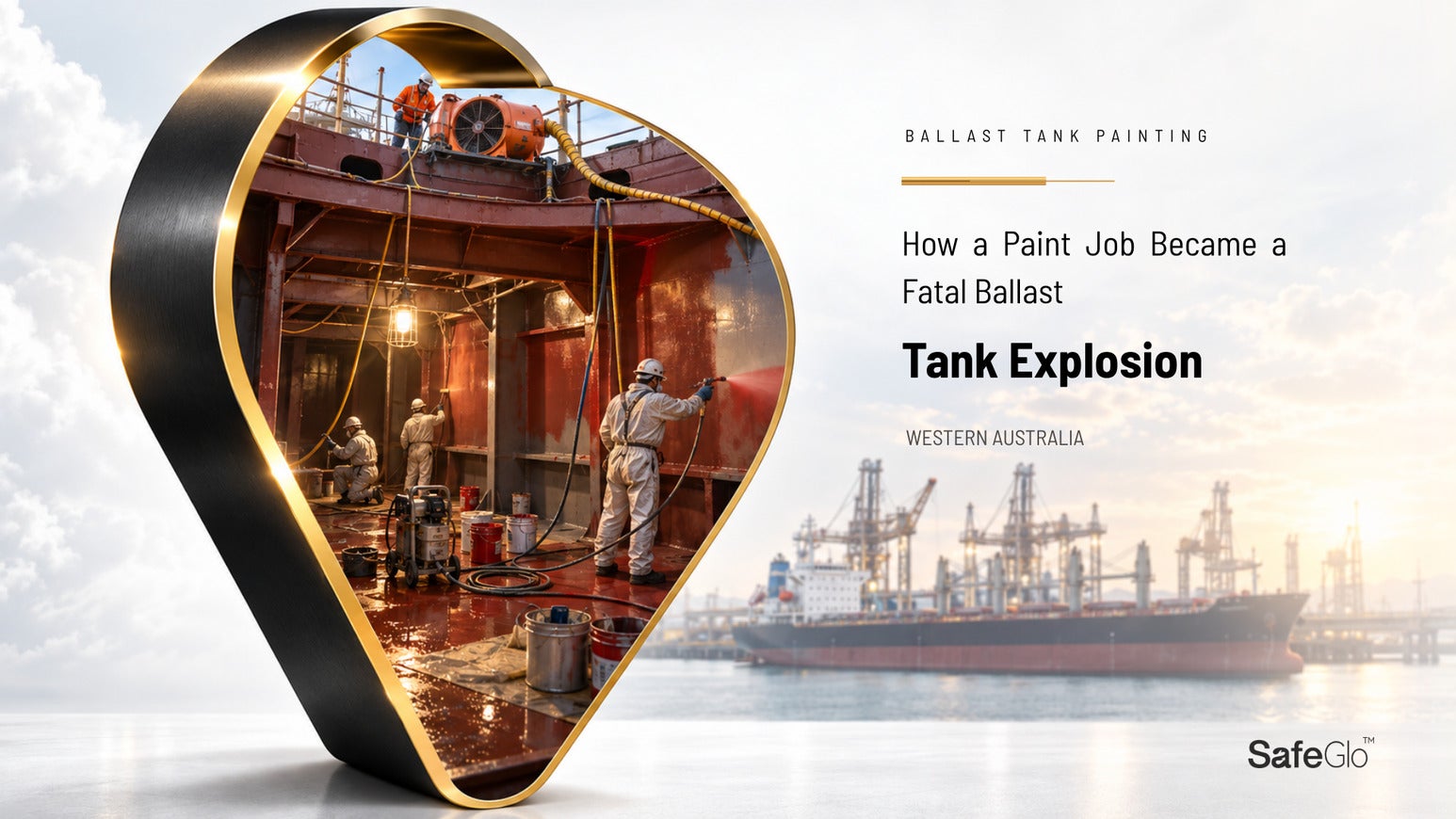
On 18 November 2001, the Hong Kong-registered bulk carrier MV Nego Kim was anchored within Dampier port limits in Western Australia while the deck crew painted the inside of the No. 1 port topside ballast tank. At about 16:40, an explosion ruptured the tank. Eight crew members ultimately died. The Australian Transport Safety Bureau concluded that an accumulated flammable mixture of air and paint fumes was ignited, probably by the electric lead light being used for the work.
The conditions preceding the explosion were severe. Eight crew had spent roughly two hours on the painting task. The paint was a two-part epoxy system, and the mate said thinner made up 30% to 50% of the mix. ATSB analysis noted that the manufacturer’s material safety information allowed only a small fraction of that level; the crew were using at least six times the recommended amount of volatile thinner. Ventilation consisted of an electrically driven fan placed at an angle over the manway and an open-ended compressed-air hose. The tank was not being ventilated or monitored in a way capable of proving that flammable vapour concentration remained controlled. The ship also did not carry explosion-proof or intrinsically safe fans, radios or lights, even though an enclosed-space checklist asked whether equipment was of an approved type.
The risk chain to prevent
An oxygen reading suitable for entry is not a measurement of solvent vapour below the lower explosive limit. Painting changes the atmosphere continuously. Airless spray, high ambient temperature, excessive thinner and limited extraction can raise vapour concentration faster than a makeshift fan can remove it. Once the atmosphere enters the flammable range, a light, switch, motor, connection, or hot surface can become the last link in the chain.
Safety managers
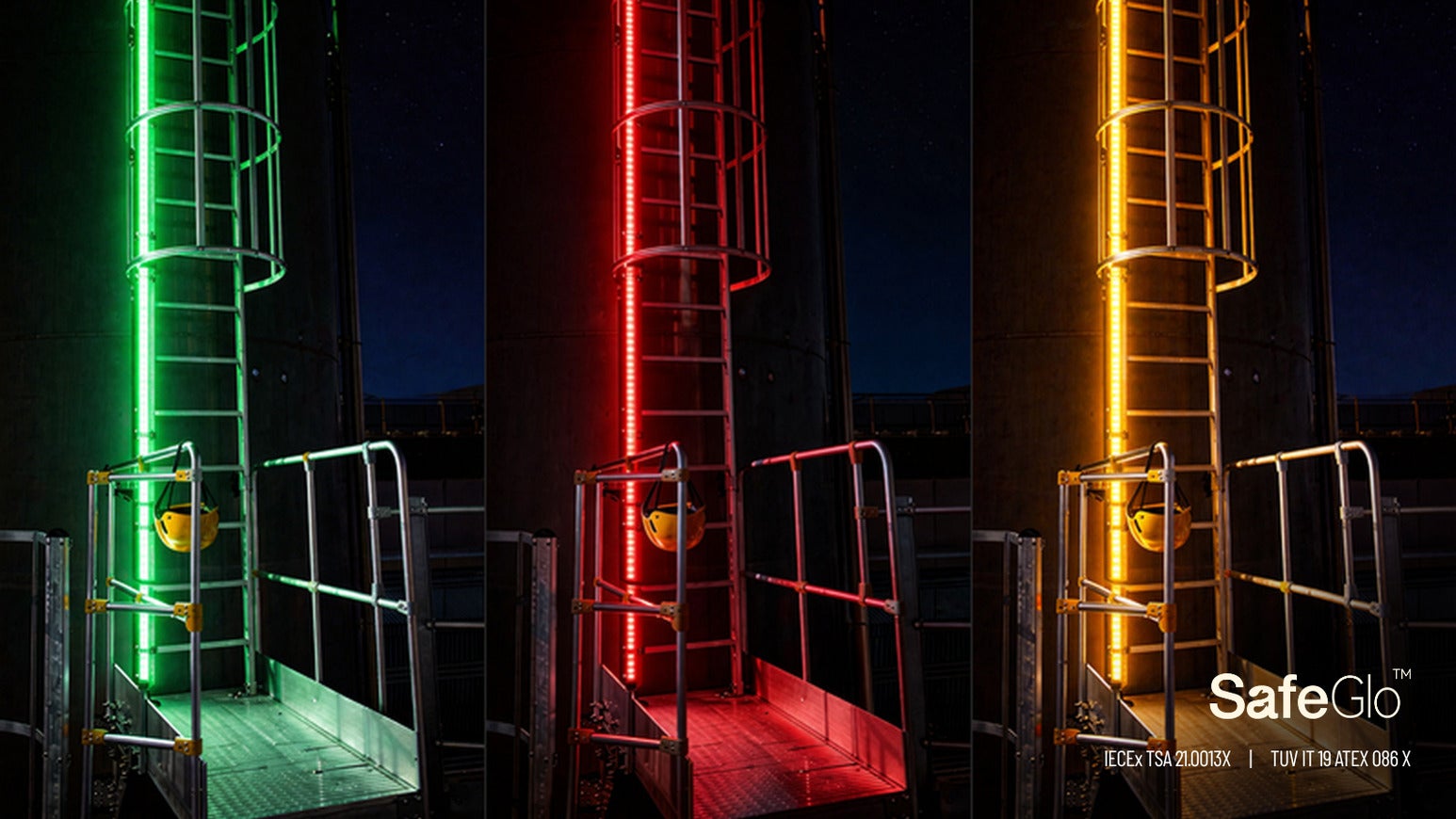
The safety objective is to prevent entry into an atmosphere that is not being controlled for the actual task. Enclosed-space permits must cover oxygen, toxic exposure and flammability, with monitoring appropriate to changing painting conditions. SafeGlo can address the lighting element only if the exact product configuration is accepted for the vessel, space and applicable marine/class requirements. On ships, an ATEX label by itself should not be treated as automatic approval. The ATSB case specifically highlights the absence of approved explosion-protected or intrinsically safe equipment.
Operations
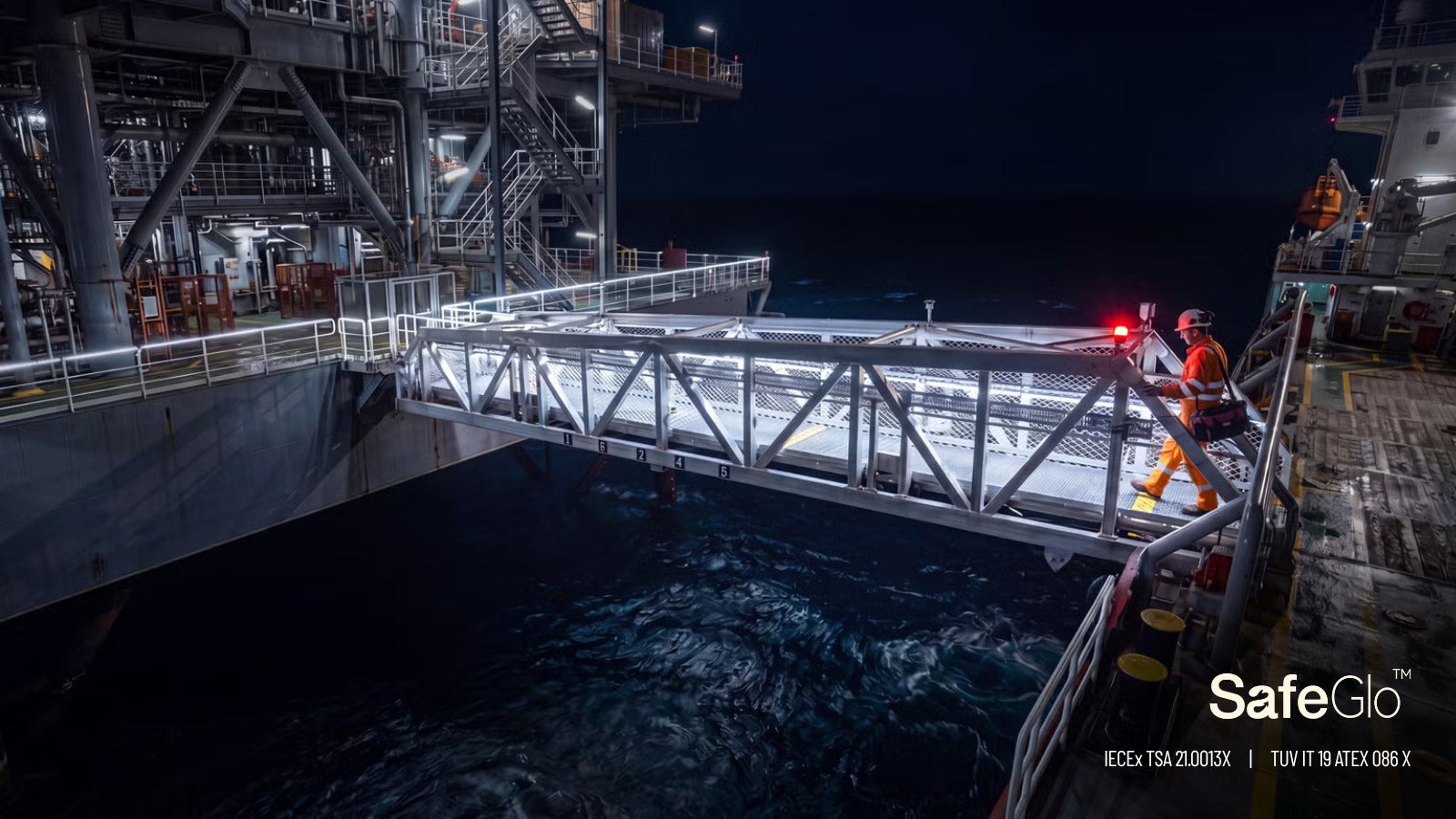
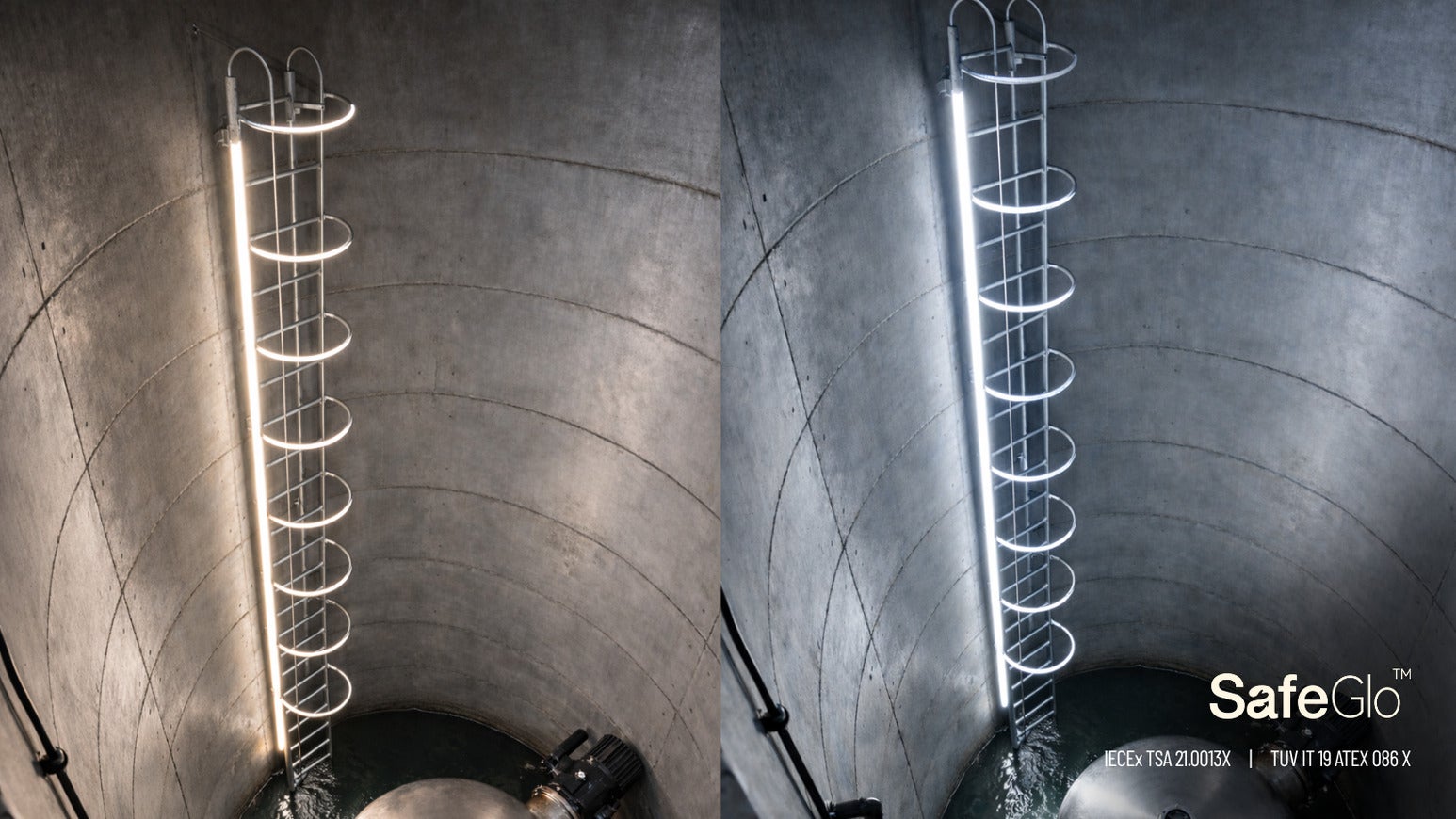
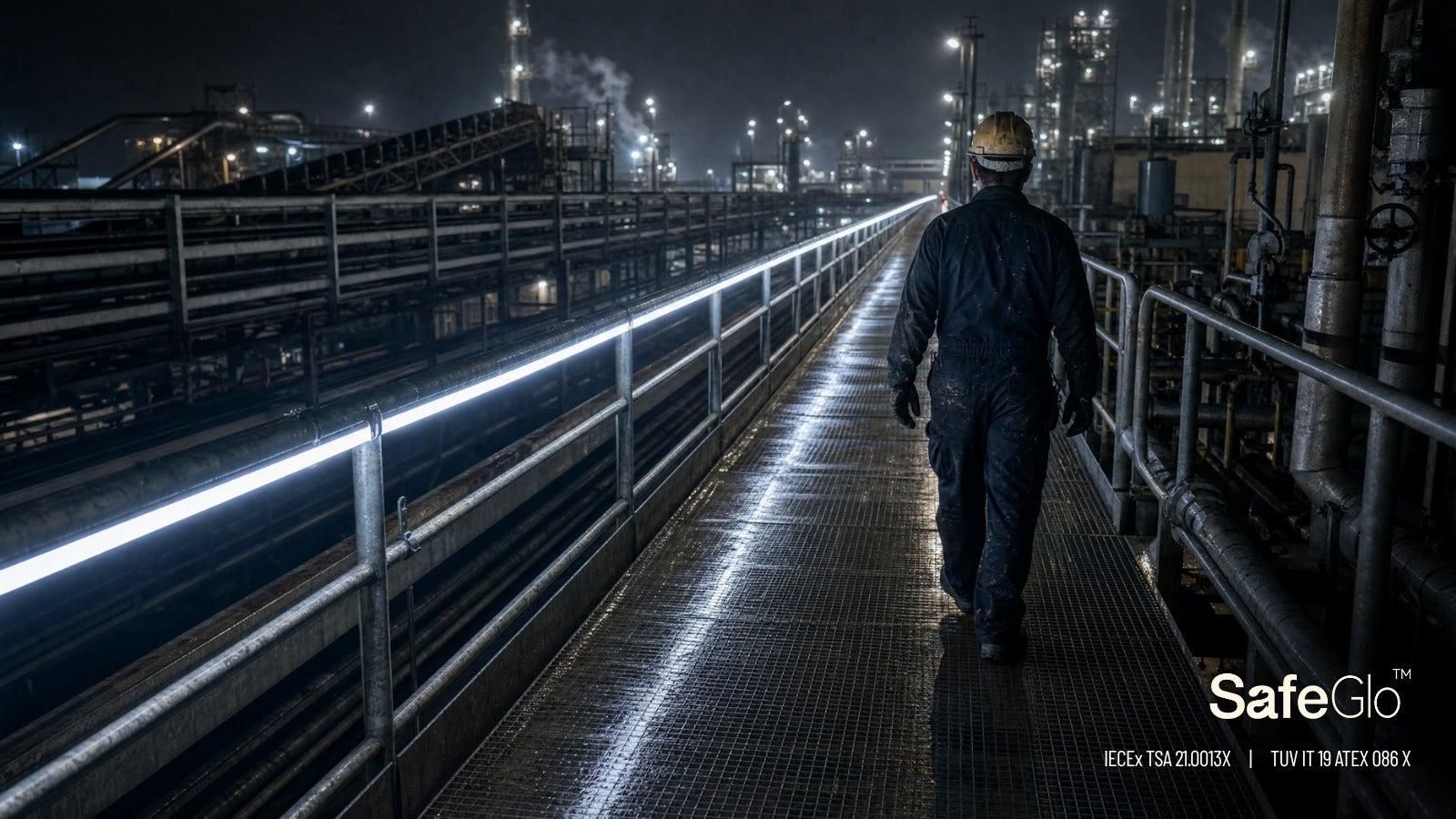
Operations should control paint mixing, thinner percentage, spray rate, ventilation and work duration as one system. A crew should not compensate for difficult application by adding more solvent and then continue under the same permit assumptions. Elongated flexible lighting could reduce dependence on a single hanging cargo light and limit dark pockets across internal steelwork, but only as part of a properly approved marine work package. The risk reduction is fewer reasons to reposition electrical equipment while the atmosphere is changing.
Engineering
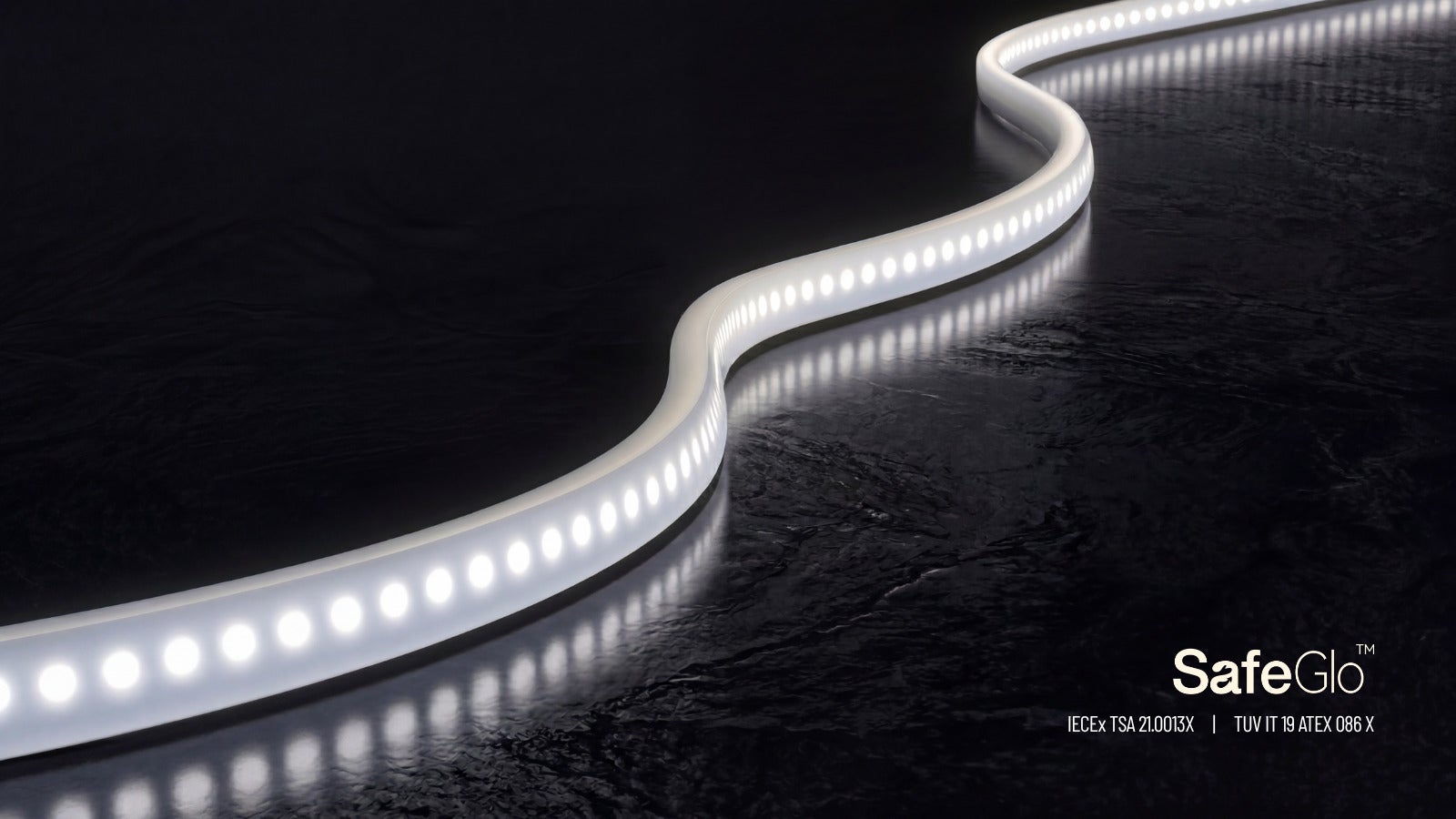
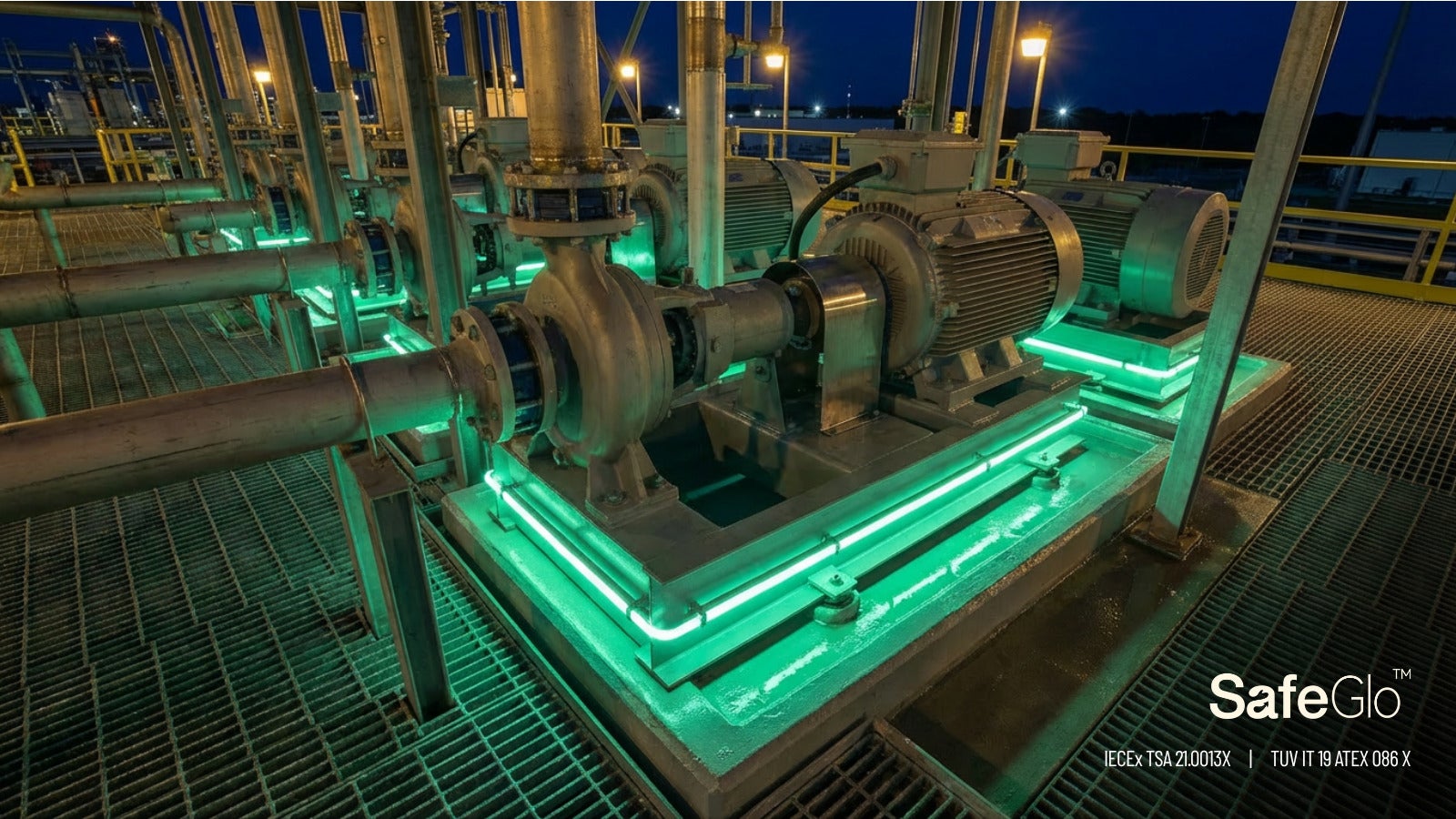
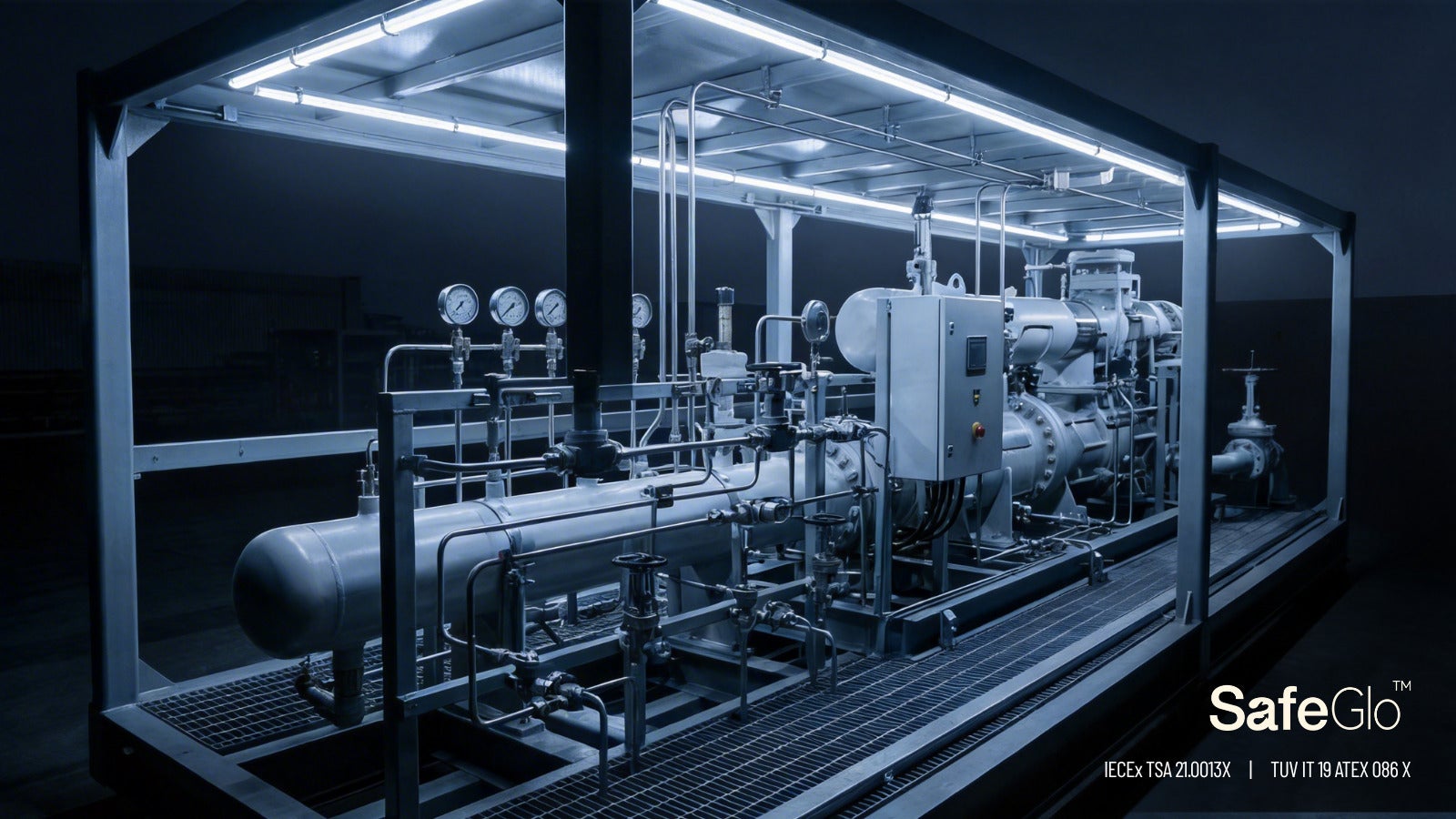
Engineering must size ventilation from the vapour-generation rate, not from whether a fan feels strong at the manway. Electrical equipment has to be selected for the identified explosive atmosphere and accepted by the vessel’s flag/class/site requirements. SafeGlo publishes IECEx/ATEX and low-voltage flexible hazardous-area designs; engineers should verify whether the specific model and power system are permitted for the proposed shipboard use. Cable routing, mechanical protection, surface temperature and isolation must also be engineered for tank entry.
Procurement / ESG
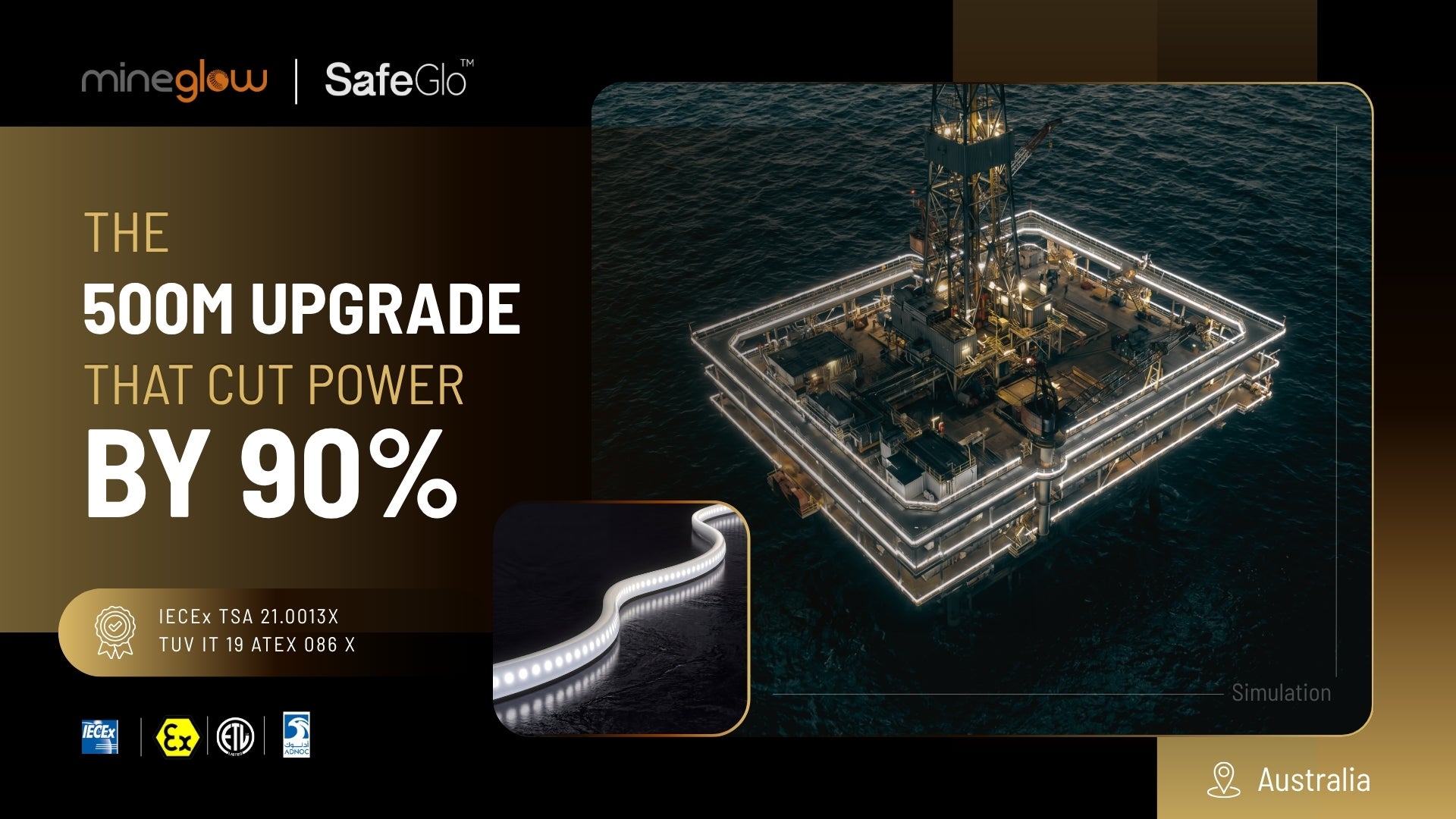
Procurement should treat approved enclosed-space equipment as a controlled kit: lighting, ventilation, gas detection, radios, power supplies and connectors. Buying one compliant light while retaining an unapproved fan or connection does not close the ignition inventory. SafeGlo may offer lower material use and long service life, but marine adoption should be based first on certificate acceptance, then on maintenance and lifecycle factors.
The ATSB findings also expose a checklist problem. A form can say approved equipment is required while the actual fans, radios or lights in use do not meet that condition. Marine operators therefore need a physical equipment-control system: identify approved units, prevent non-approved substitutes from entering the tank, inspect leads and connectors before use, and stop the job when ventilation or atmosphere readings move outside the agreed limits.
SafeGlo’s role in this environment
The Nego Kim case supports SafeGlo where a vessel operator needs elongated, adaptable hazardous-area illumination and wants to reduce handling of conventional lead lights. It does not support bypassing ventilation, atmosphere monitoring, paint controls or marine approval. The fatal condition was an explosive atmosphere plus an ignition source. Both sides of that equation have to be controlled.
Research sources
- Australian Transport Safety Bureau – Investigation 174, MV Nego Kim: https://www.atsb.gov.au/investigations/174
- ATSB final report PDF: https://www.atsb.gov.au/sites/default/files/media/24892/mair174_001.pdf
- SafeGlo – ATEX IECEx portable flexible Ex lighting: https://safeglolight.com/flexible-exproof-light/