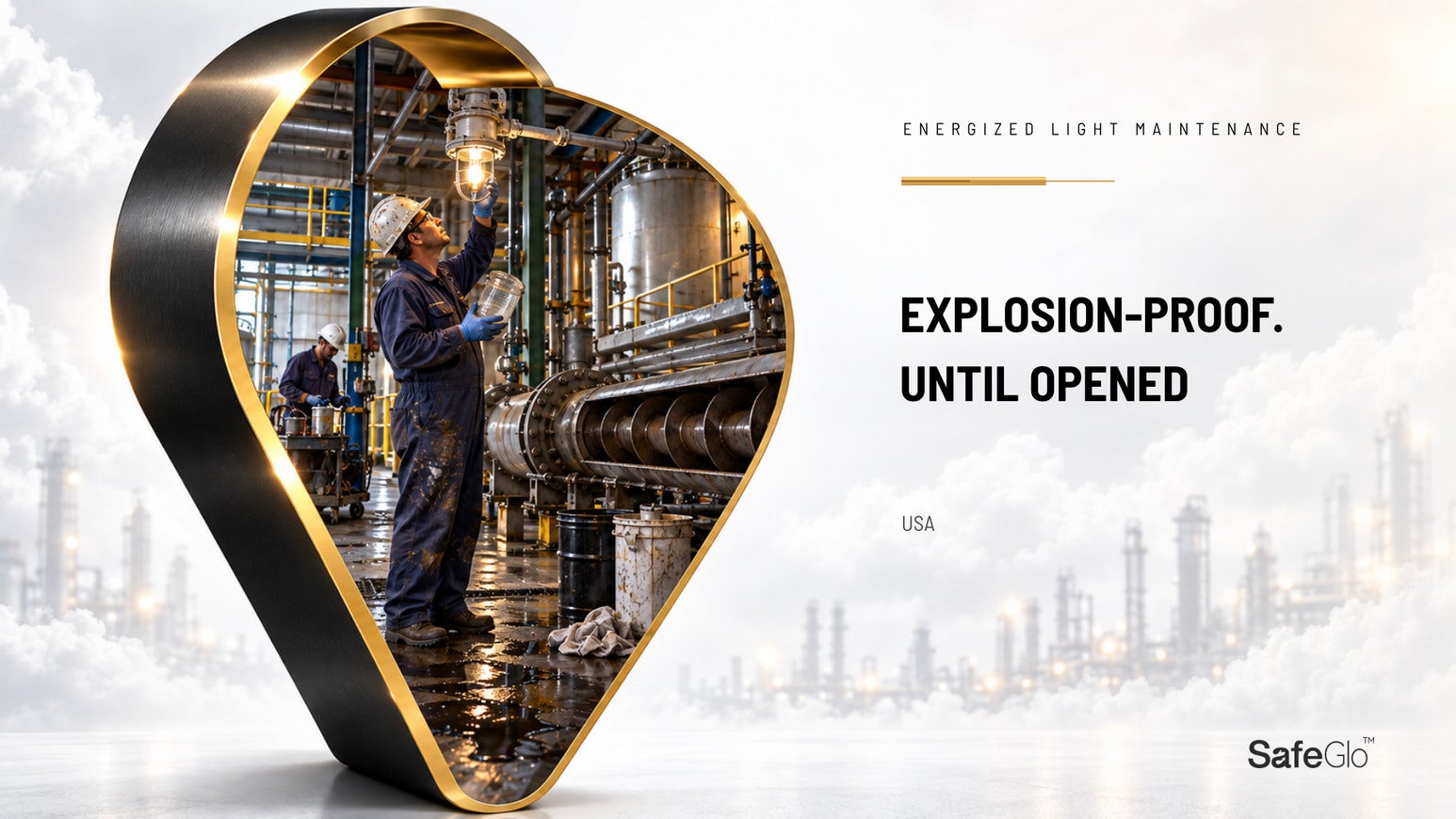


Tanker Repair Fire Highlights Residual Gasoline Vapor Risks and Hazardous-Area Lighting
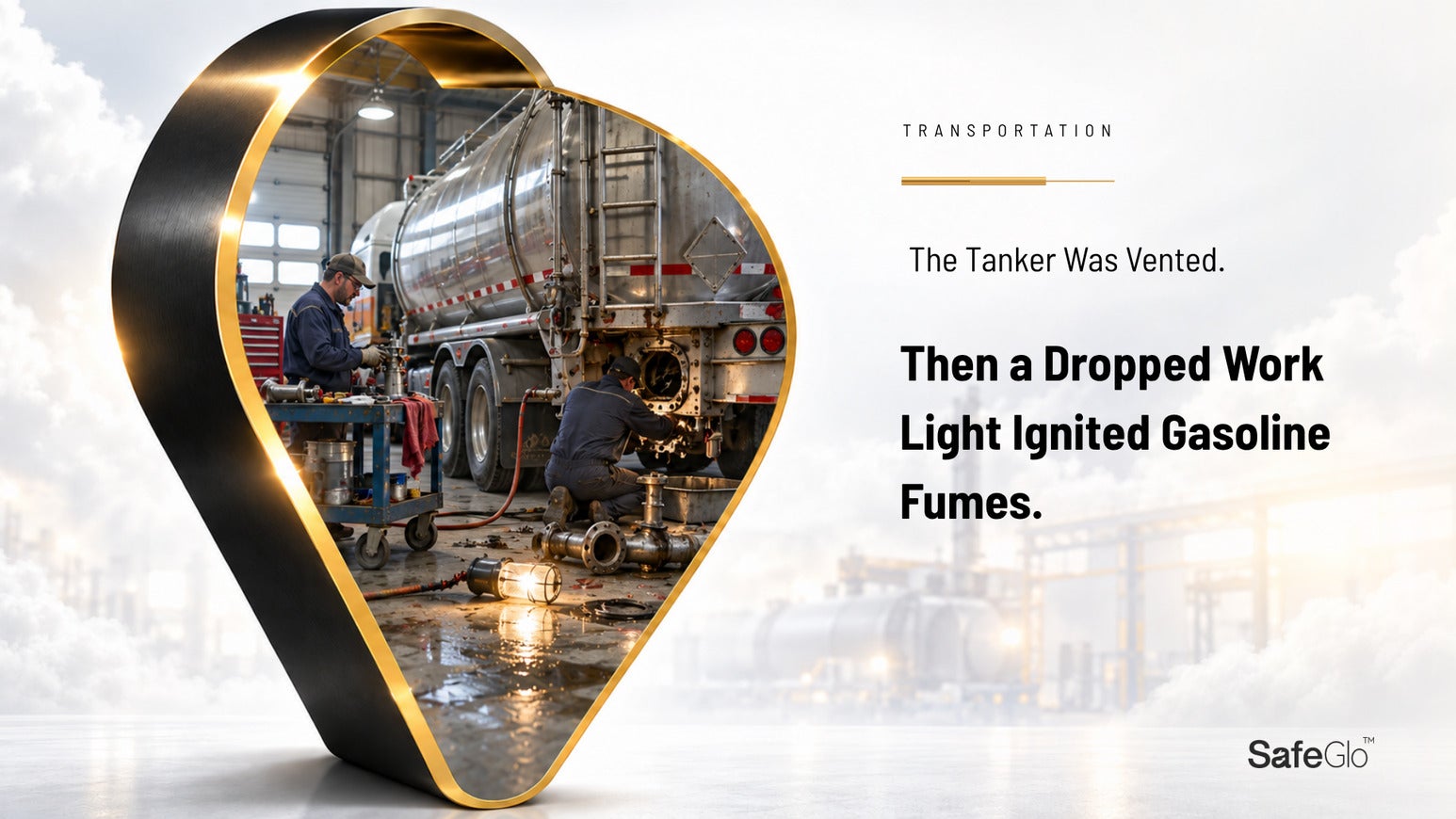
Fallen trouble light sparks fire in tanker garage after gas fumes ignite
| Environment | Hahn’s Transportation, gasoline tanker maintenance, USA |
| Incident source | OSHA Accident Search, incident 964874 |
| Research status | Verified against primary/official source material where available |
A gasoline tanker can look empty while still presenting a vapour hazard. That distinction was central to an incident at Hahn’s Transportation, where two employees were repairing a safety valve on a gasoline tanker inside a garage. OSHA’s accident record states that a trouble light fell, its bulb broke, and the spark ignited gasoline fumes. Both employees suffered flash burns and were hospitalised.
What happened
The tanker had been brought into the garage for repair. Plumbing at the bottom of the tank had been removed while the employees prepared to reinstall the plumbing and valve. OSHA recorded that the tank had been vented but still contained gasoline because of the valve problem. The fallen trouble light then provided the ignition source when its bulb broke.
The supplied draft material incorrectly described this event as a 1996 manufacturing-facility explosion with two fatalities and an unknown ignition source. The official OSHA record identifies a 1992 gasoline tanker repair incident, two hospitalised workers, and the trouble light as the ignition event. That distinction is important for a credible safety blog. The case should not be rewritten to make the evidence fit a marketing message.
Why the conditions mattered
Gasoline is volatile. NIOSH lists a flash point of approximately -45°F and an explosive range of about 1.4% to 7.6% by volume in air. [1] Venting a tanker does not automatically prove that no ignitable mixture remains. Residual liquid and vapour can remain in equipment and in low areas of the repair environment.
OSHA’s flammable-liquid requirements recognise the hazards of gasoline service and repair environments. In the current standard, pits and spaces below floor level in tank-vehicle repair garages are classified as Class I, Division 1, while the area up to 18in above floor or grade throughout the repair garage is Class I, Division 2. [2] That low-level classification matters because a dropped lamp, cord, or other equipment can end up exactly where vapour may be present.
The incident also shows why mechanical robustness matters. A light that is acceptable in a general workshop can become an ignition source when its bulb breaks after impact. The risk is not solved by telling workers to “be careful” with the lamp. The safer approach is to select equipment appropriate to the hazardous location and to control the work process around fuel isolation, ventilation, testing, and ignition sources.
Where SafeGlo fits
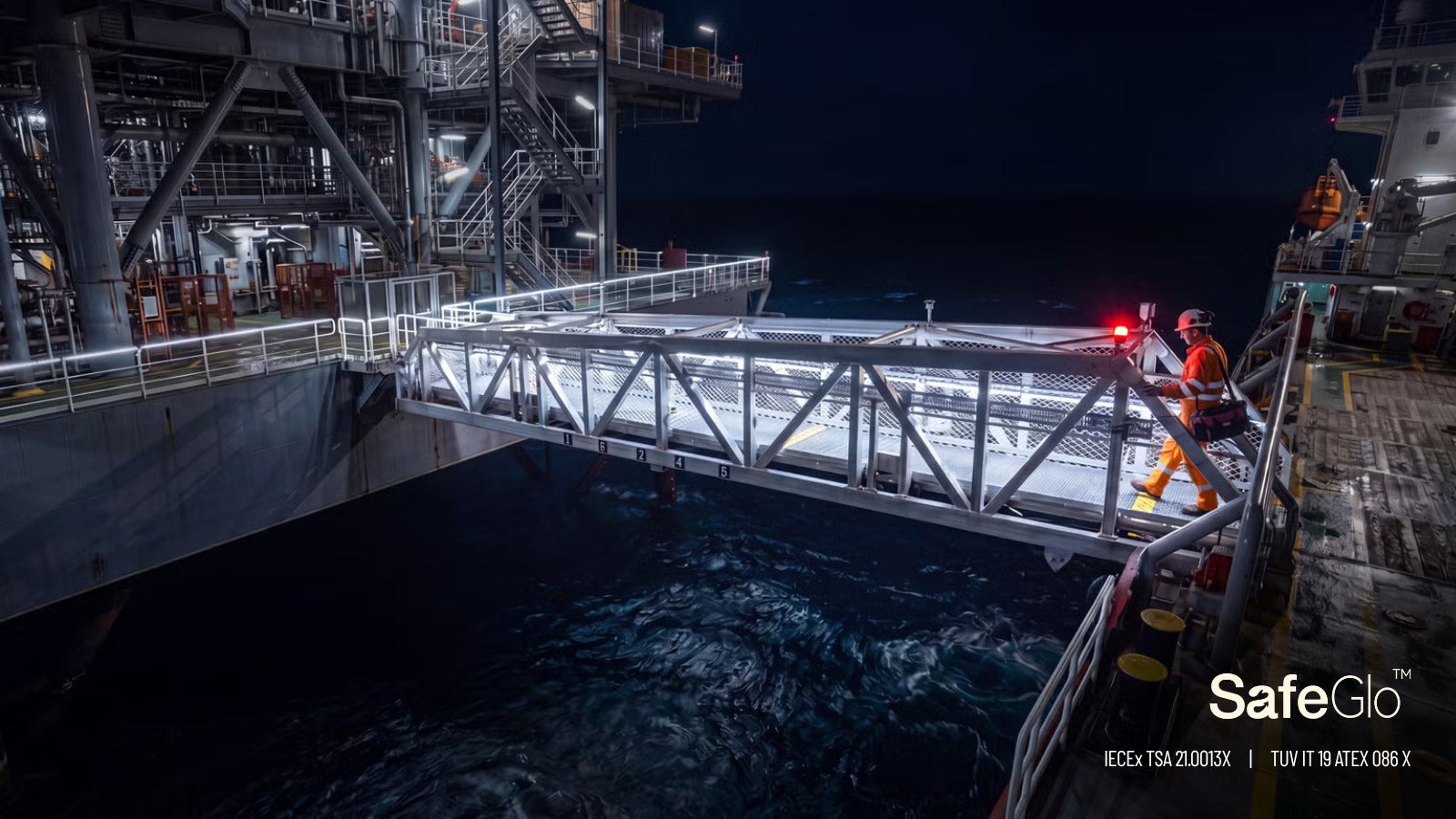
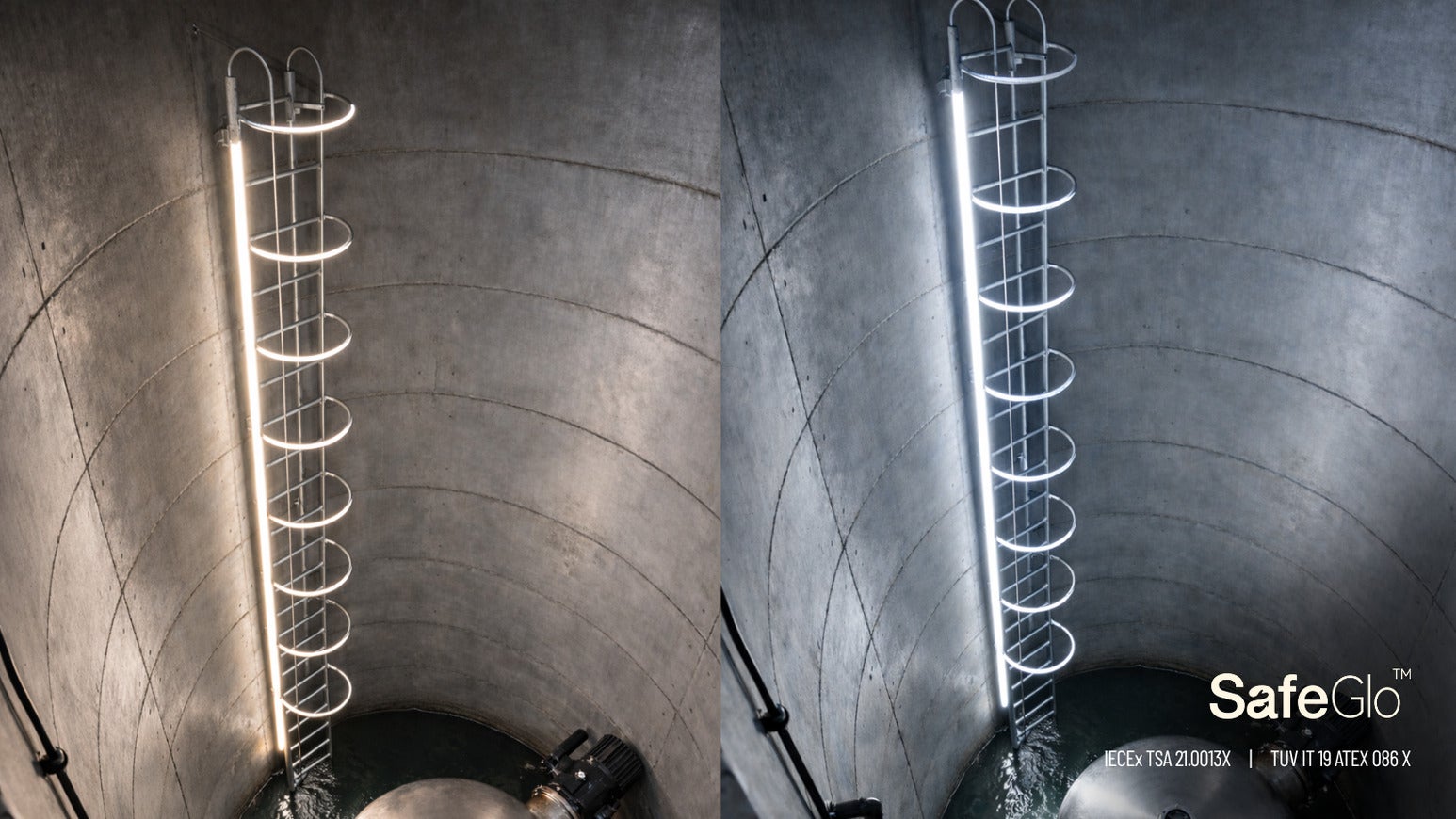
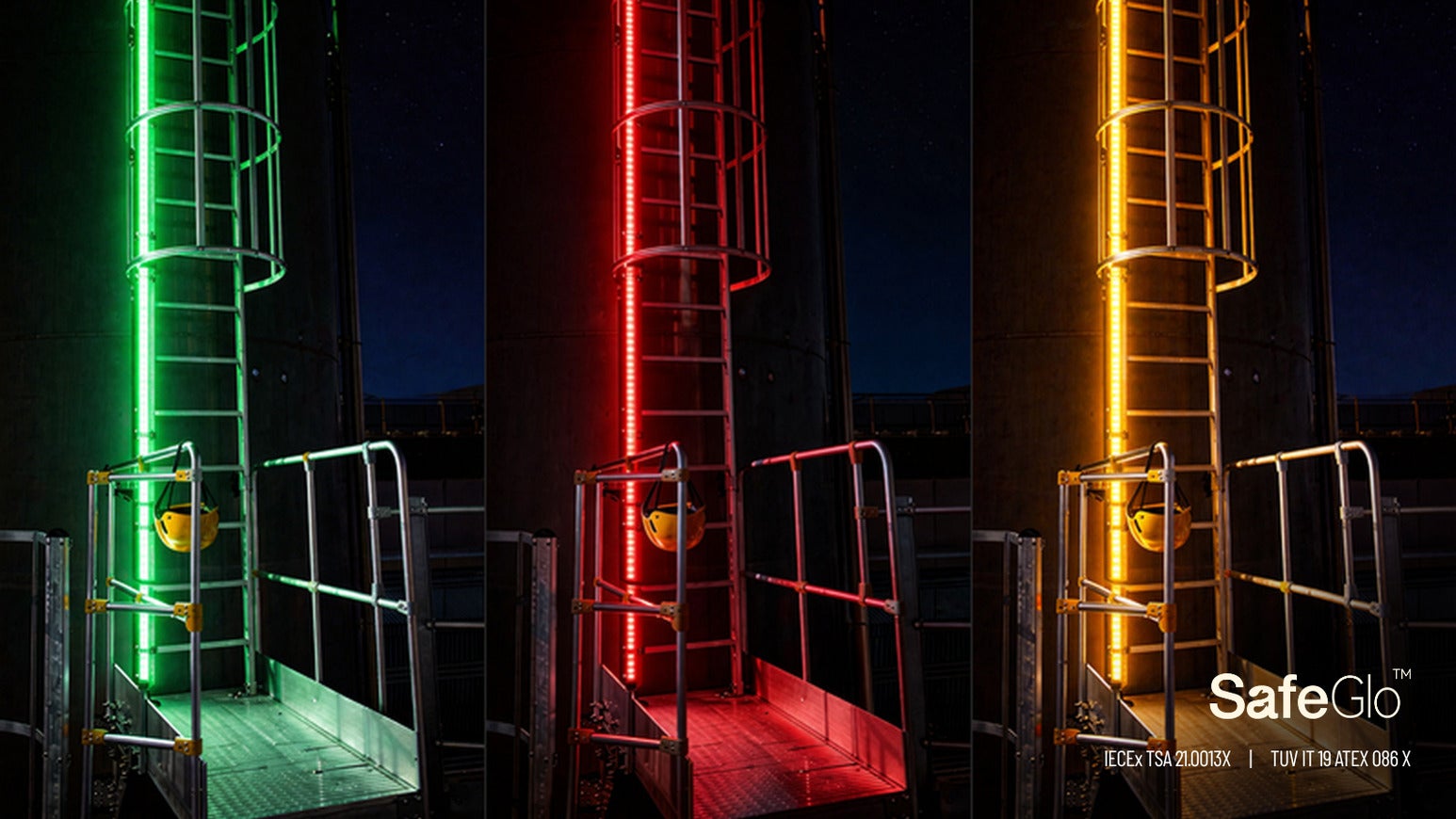
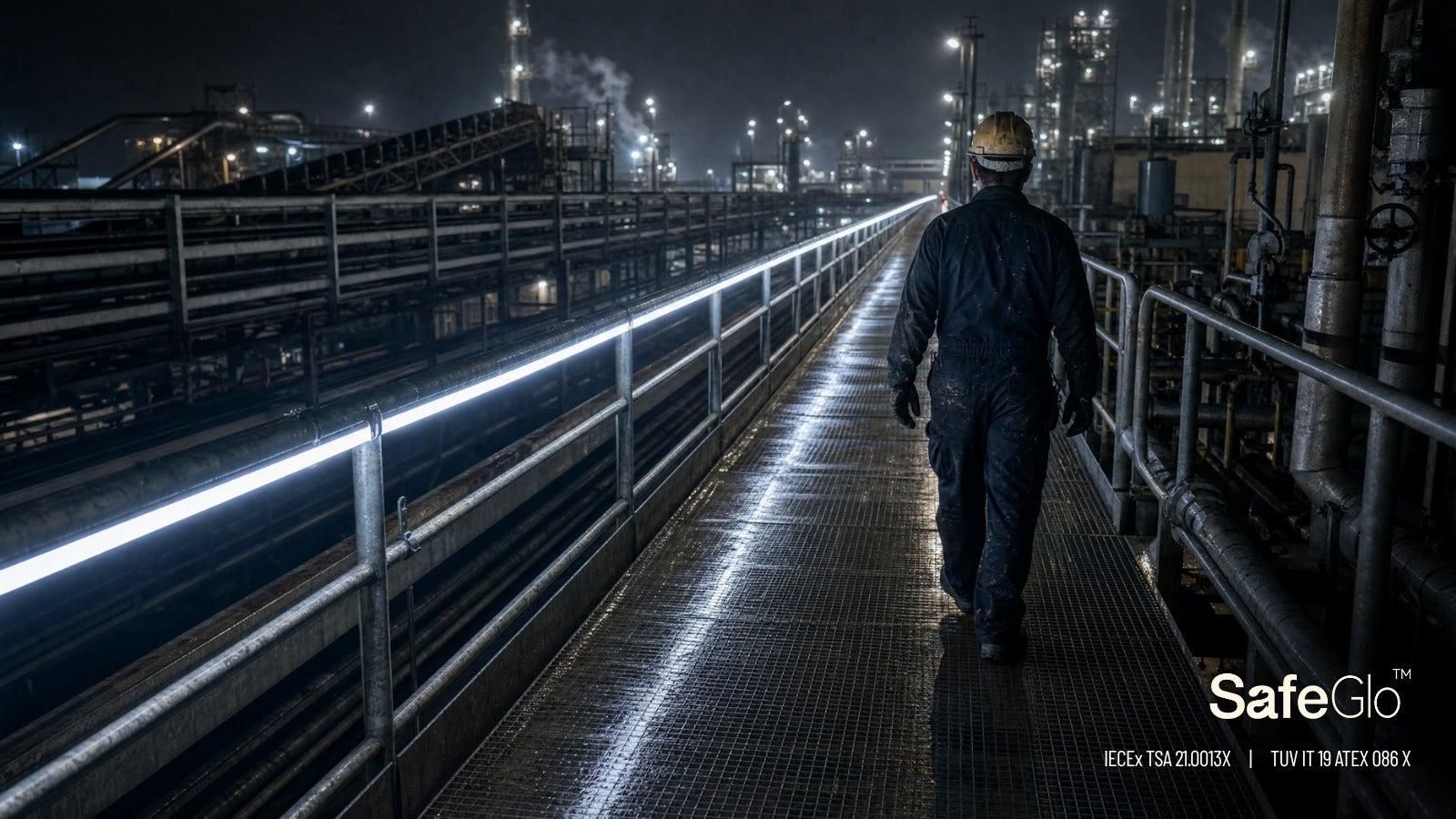
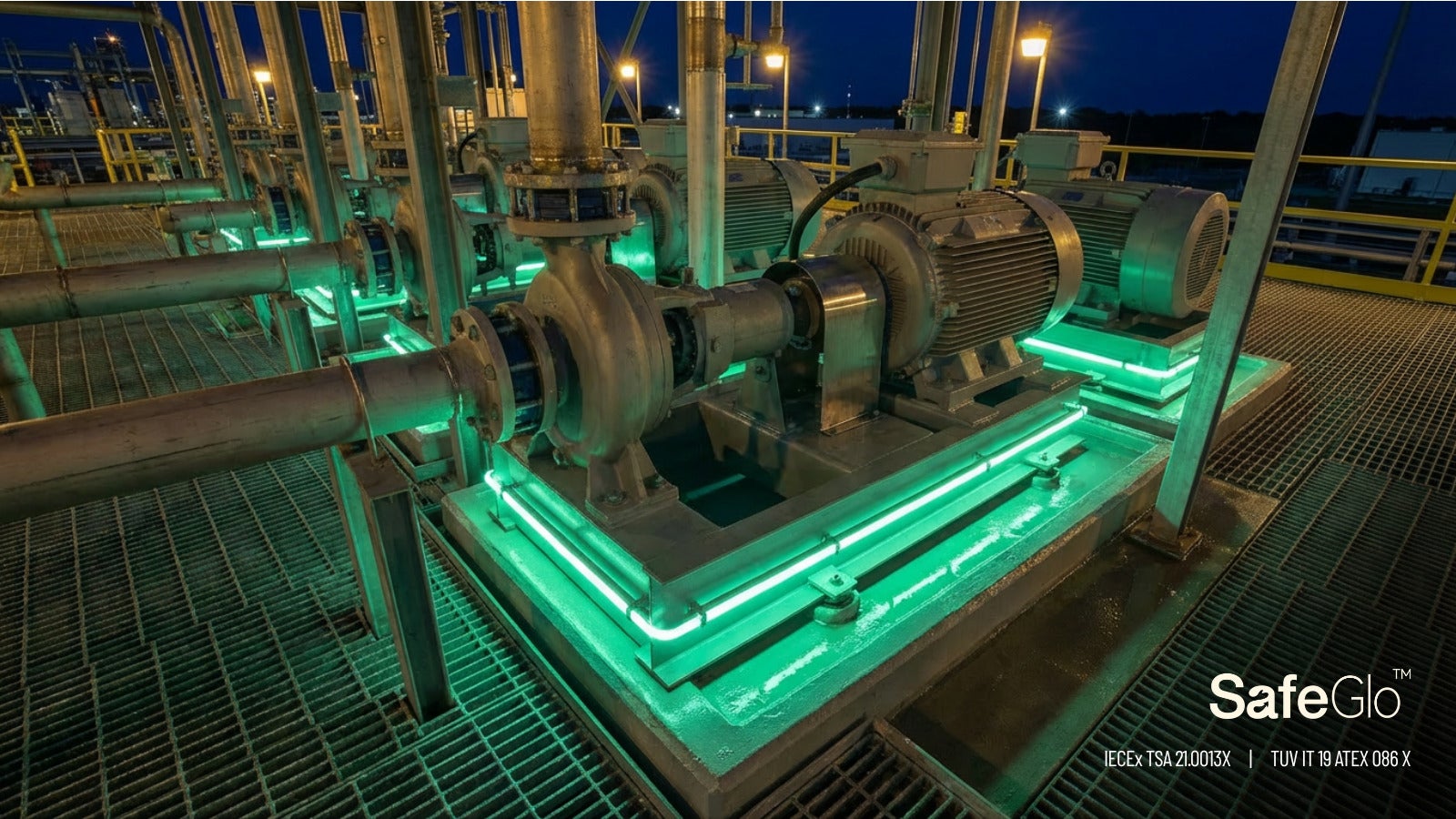
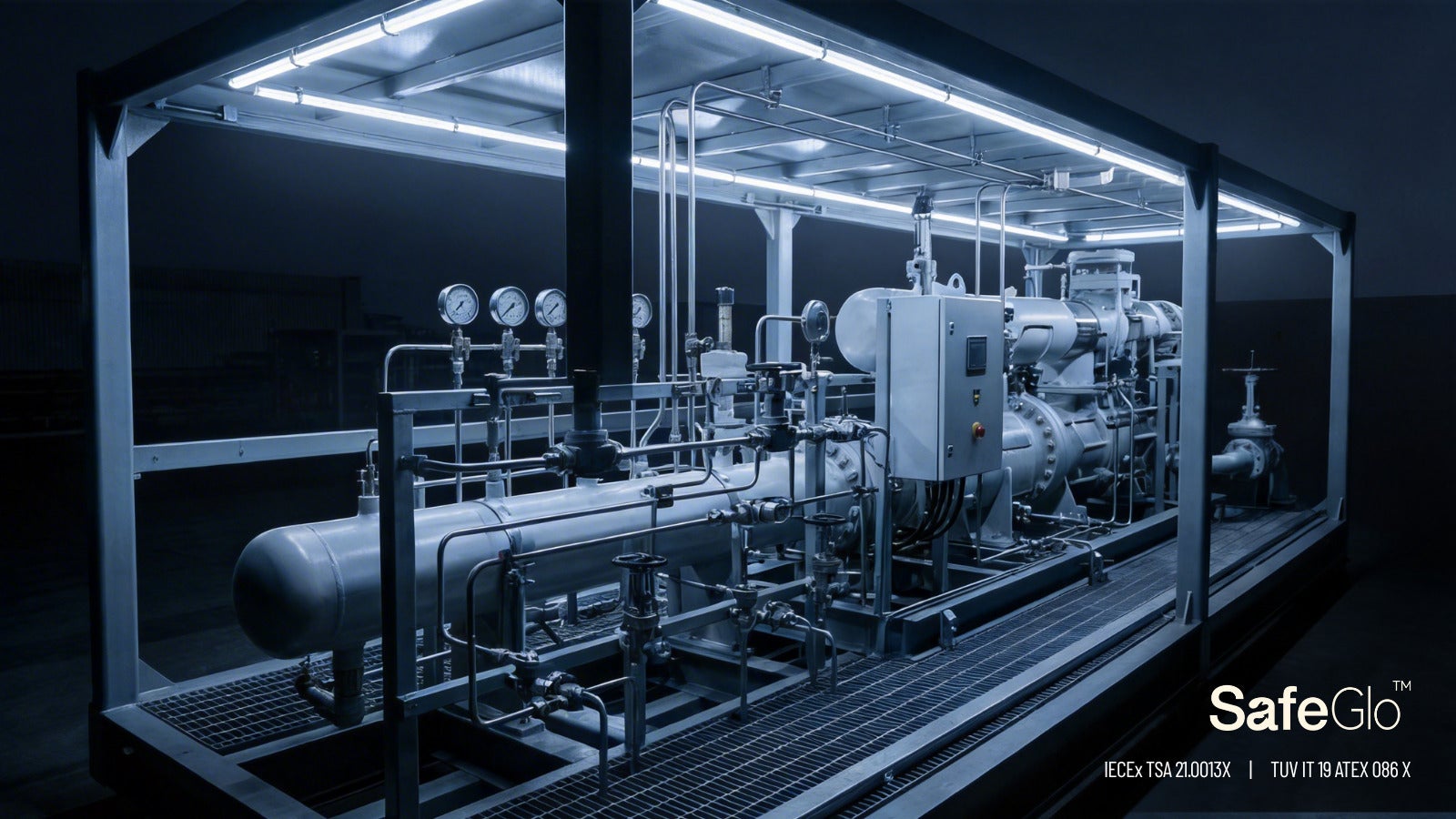
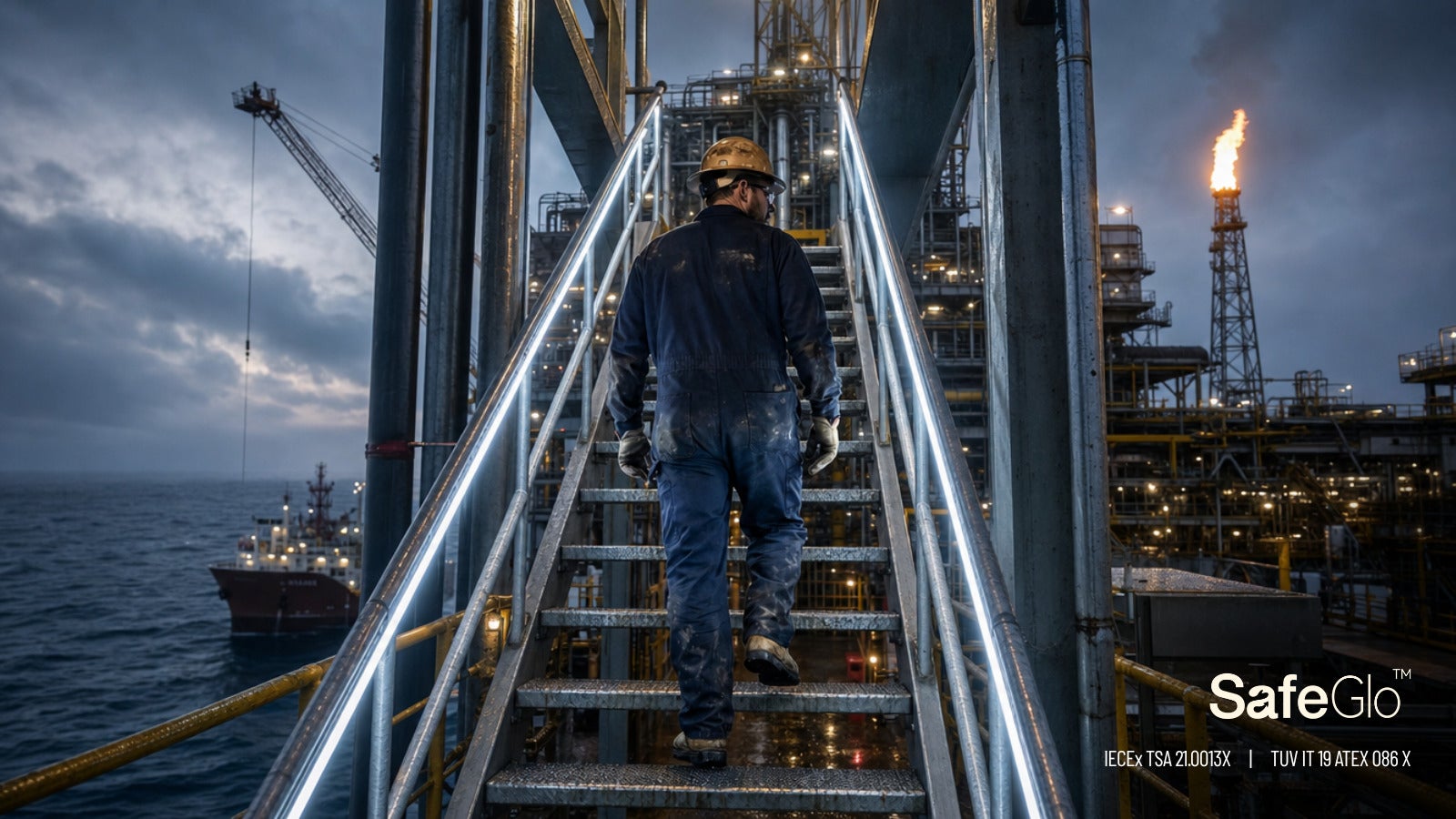
Safety managers need to challenge the assumption that a vented tanker is automatically safe for ordinary electrical equipment. SafeGlo can form part of a hazardous-area lighting strategy where the selected product is certified for the documented classification and installation conditions. The control objective is to prevent the light itself from becoming the event that turns residual vapour into a flash fire.
Operations teams need a repair workflow that does not depend on convenient workshop equipment. If technicians have to search for a trouble light after the tanker enters the bay, the lighting decision is already being made too late. A planned hazardous-area lighting arrangement keeps the required illumination available without introducing an ordinary portable lamp into the repair zone.
Engineering teams need to account for the tank, pit, floor-level vapour zone, service plumbing, vehicle movement, impact exposure, and ventilation. SafeGlo’s role is not to replace those controls. Its role is to provide suitable illumination where the task actually occurs, with the product approval, mounting, wiring, environmental protection, and temperature requirements verified for the site.
Procurement and ESG teams should treat portable lighting as a controlled equipment category rather than an interchangeable workshop commodity. Purchasing should prevent unapproved substitutes from entering the tanker bay. Technical documentation should identify the exact model, certification, temperature class, environmental rating, and approved application. Durability also matters because a lamp that is easily damaged creates another maintenance and replacement pathway.
The prevention takeaway
This case is a reminder that residual fuel vapour can remain after the visible fuel-handling step appears to be finished. The correct question is not whether the tanker looks empty. It is whether the work area and equipment have been released under the site’s defined controls.
Hazardous-area lighting should therefore be selected as part of the repair system. It should support visibility while removing ordinary electrical equipment from the ignition chain. Ventilation, isolation, atmosphere testing, fuel handling, housekeeping, and suitable lighting must work together.
The most important lesson is simple: a dropped light should never be allowed to become the most dangerous object in the repair bay.
Source link: https://www.osha.gov/pls/imis/AccidentSearch.accident_detail?id=964874