

Fatal Tennessee Solvent Fire Highlights Explosion-Proof Lighting Maintenance Risks
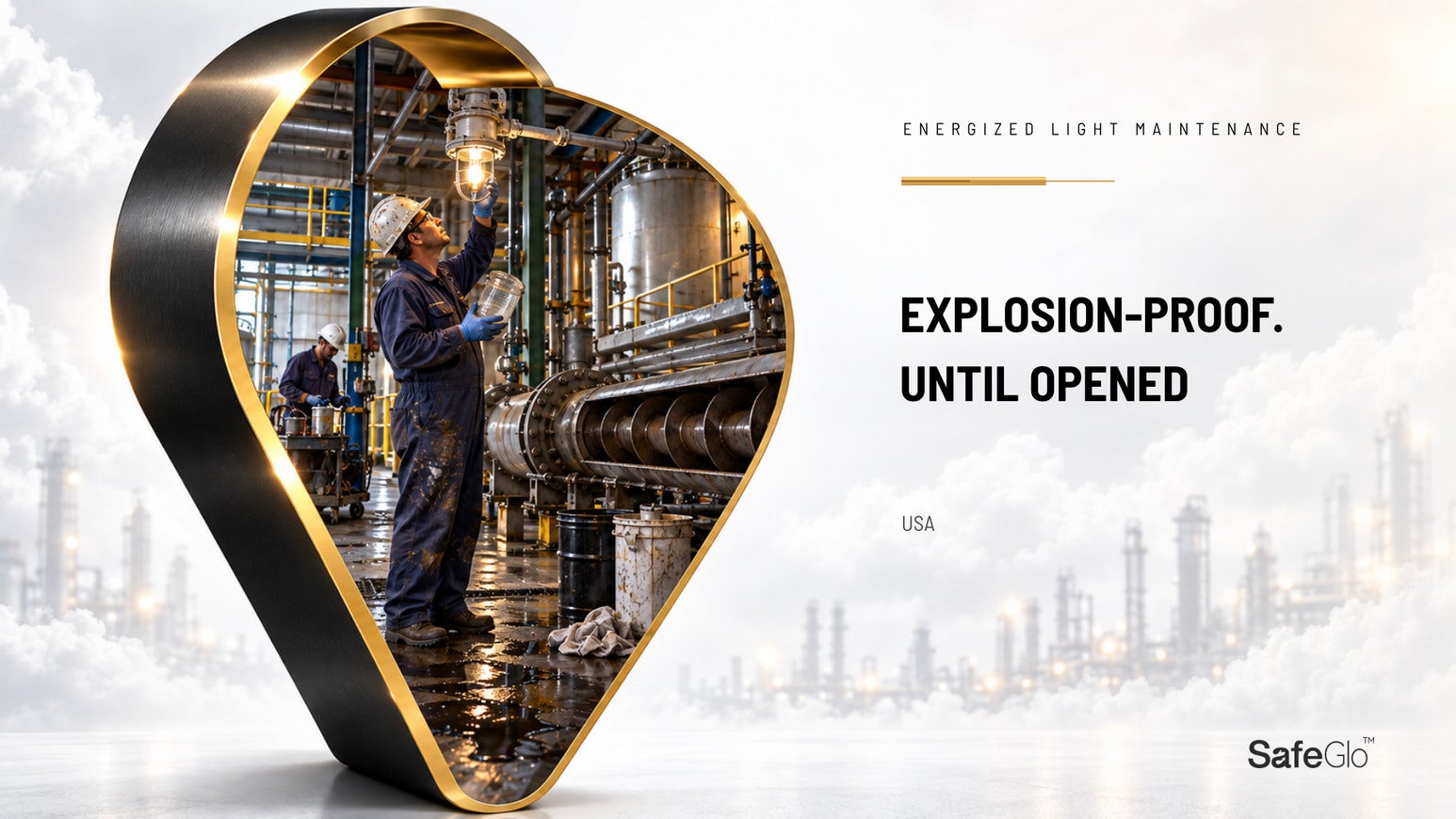
Routine maintenance mistake sparks deadly chemical fire
| Environment | Pollution Control Industries of Tennessee LLC, Columbia, Tennessee, USA |
| Incident source | OSHA Accident Search, incident 200621852 |
| Research status | Verified against primary/official source material where available |
A maintenance task inside a hazardous-waste process area became fatal when an explosion-proof light was opened while powered, and the bulb shattered near flammable material. The incident occurred at Pollution Control Industries of Tennessee in Columbia, Tennessee. OSHA’s accident record describes an employee working on an auger used to convey hazardous-waste solvents and sludge. Flammable liquid spills were present. The globe of an explosion-proof light was removed while power remained on; the bulb broke, and the resulting ignition caused a chemical fire. The employee suffered severe burns and died five days later.
What happened
The important detail is that the fixture was intended for a hazardous environment. The problem arose during maintenance when its protective arrangement was disturbed while the electrical circuit remained energised. That changes the risk completely. A luminaire can be appropriate for a classified area when installed and closed according to its approval, yet become unsafe if its enclosure or protective globe is opened in the hazardous atmosphere while energised.
This is why “explosion-proof lighting” cannot be treated as a magic label. The protection method depends on the equipment being used within its approved conditions. OSHA requires electrical equipment in hazardous locations to be intrinsically safe, approved for the location, or otherwise demonstrated safe for the hazards present. Approval has to correspond to the class and the ignitable properties of the specific material.
Why the conditions mattered
The incident contained three interacting conditions: flammable material, a maintenance activity that disturbed the lighting protection, and electrical energy that remained present. The light did not exist in isolation from the process. It was inside an area where solvents and sludge were being handled, and the maintenance action changed the state of the equipment.
OSHA’s flammable-liquid requirements also emphasise ventilation, spill control, and ignition-source control. Where flammable liquids are used or handled outside closed containers, leakage and spills must be dealt with promptly, and sources of ignition must be controlled along the possible path of vapour travel.
That makes the maintenance procedure as important as the product specification. If a fixture must be opened, the work should be planned around isolation, the hazardous atmosphere, the manufacturer’s instructions, and the site’s permit and electrical safety procedures. OSHA’s electrical work-practice rules generally require exposed live parts to be de-energised before employees work on them unless a permitted exception applies.
Where SafeGlo fits
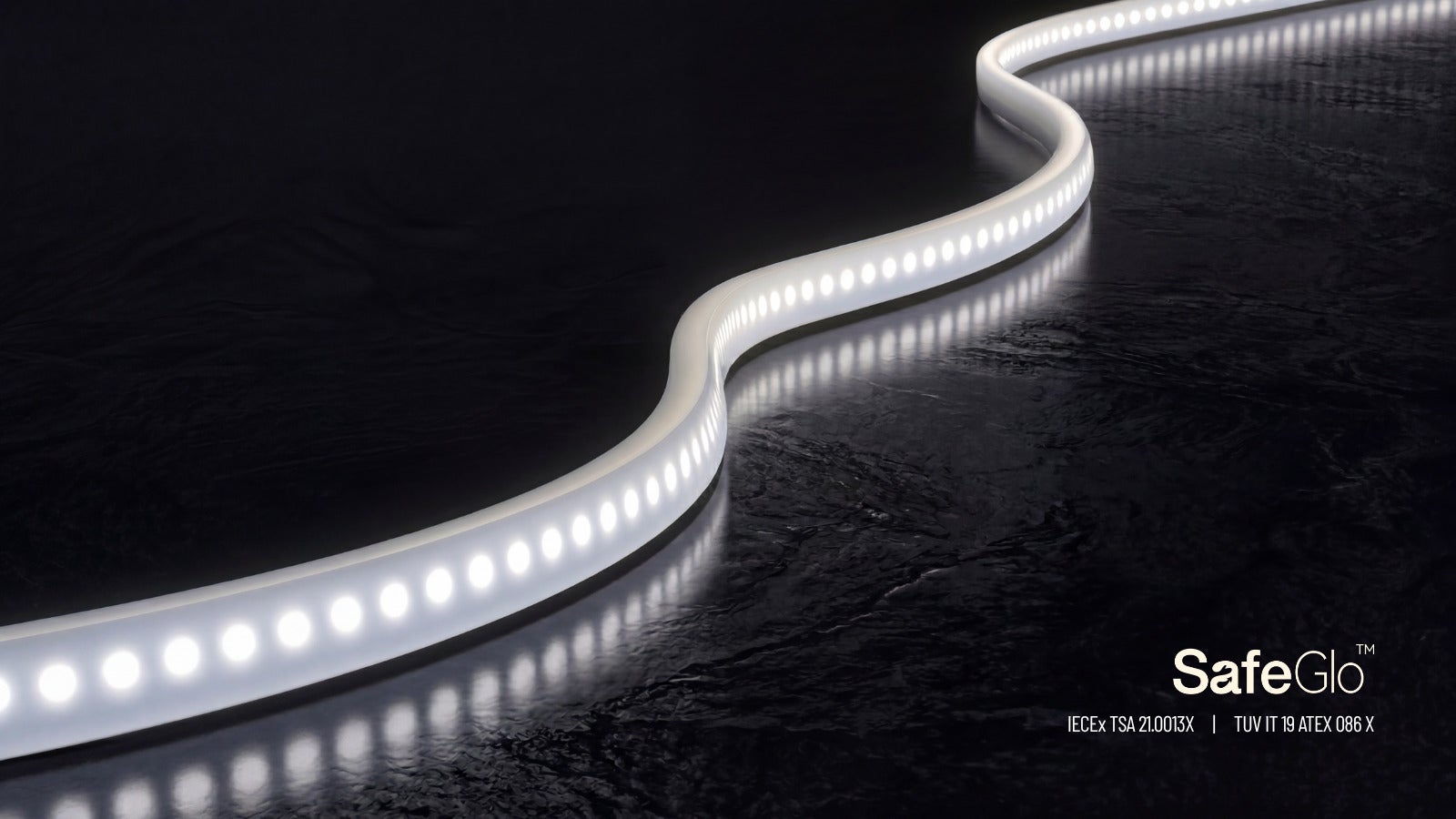
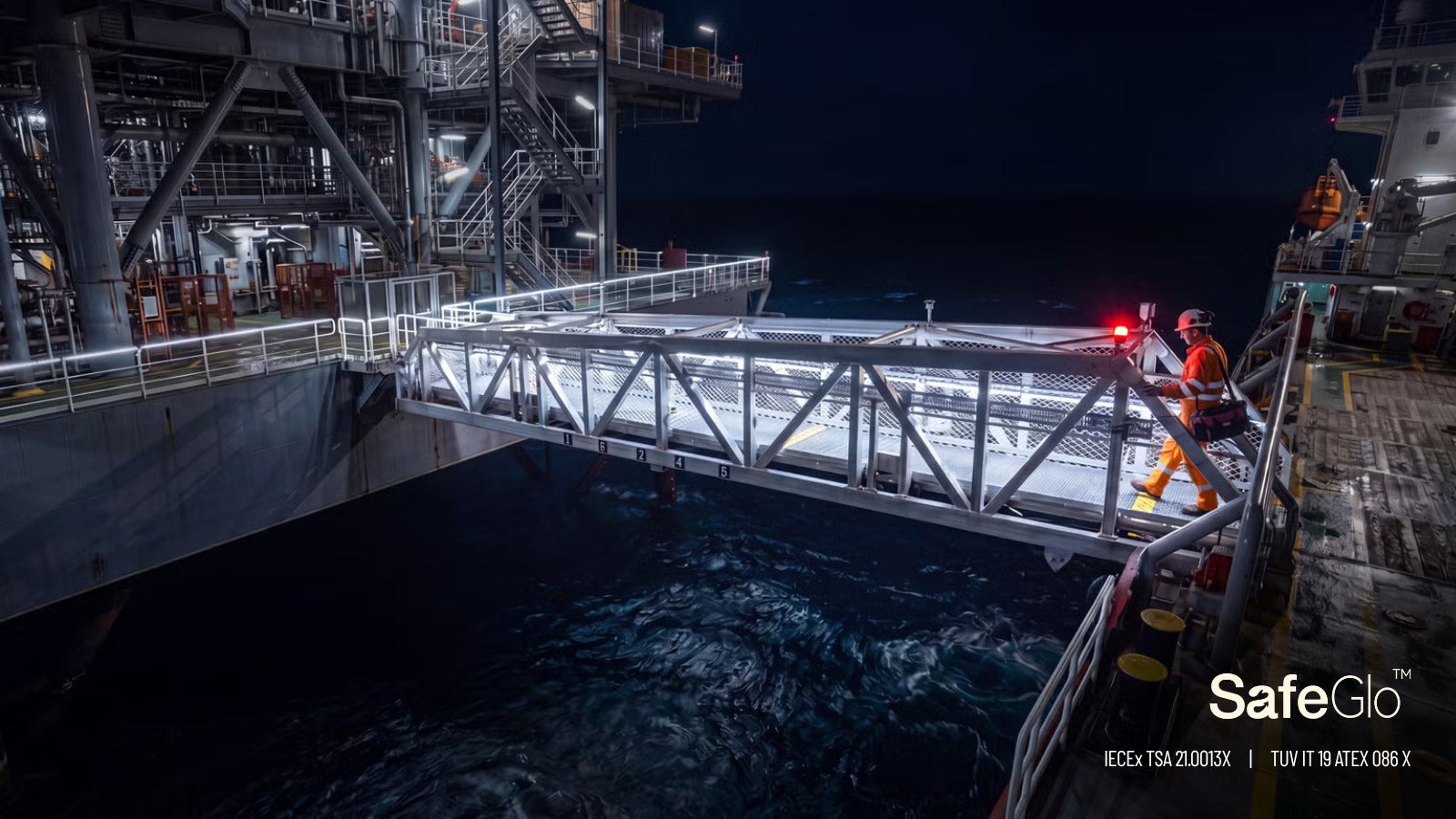
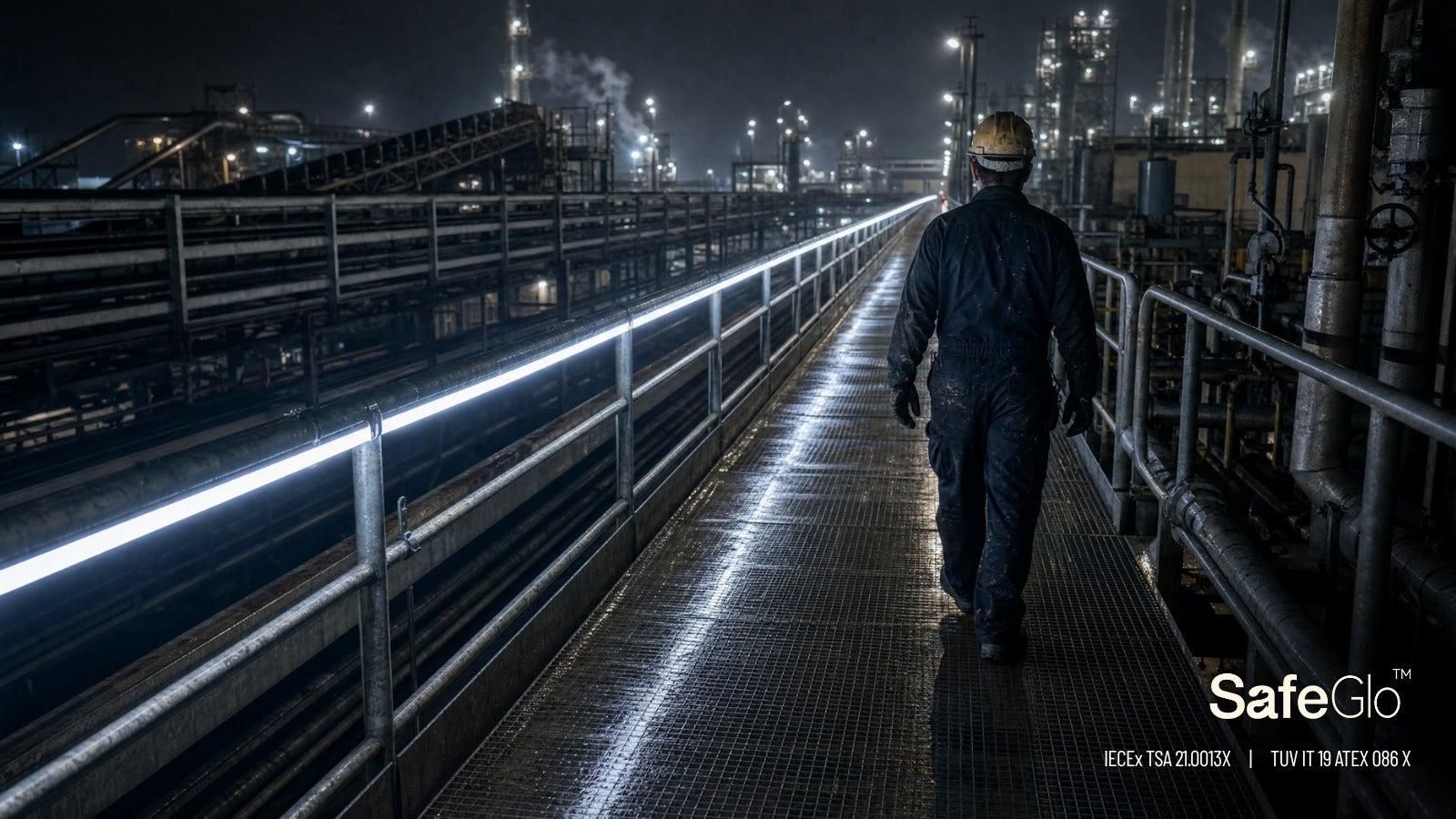
Safety managers need to prevent a lighting intervention from becoming the initiating event. SafeGlo should be evaluated as a hazardous-area lighting system, not simply as a brighter replacement fixture. The relevant controls include the product’s certification, enclosure integrity, service instructions, inspection regime, and the procedure for isolating power before maintenance.
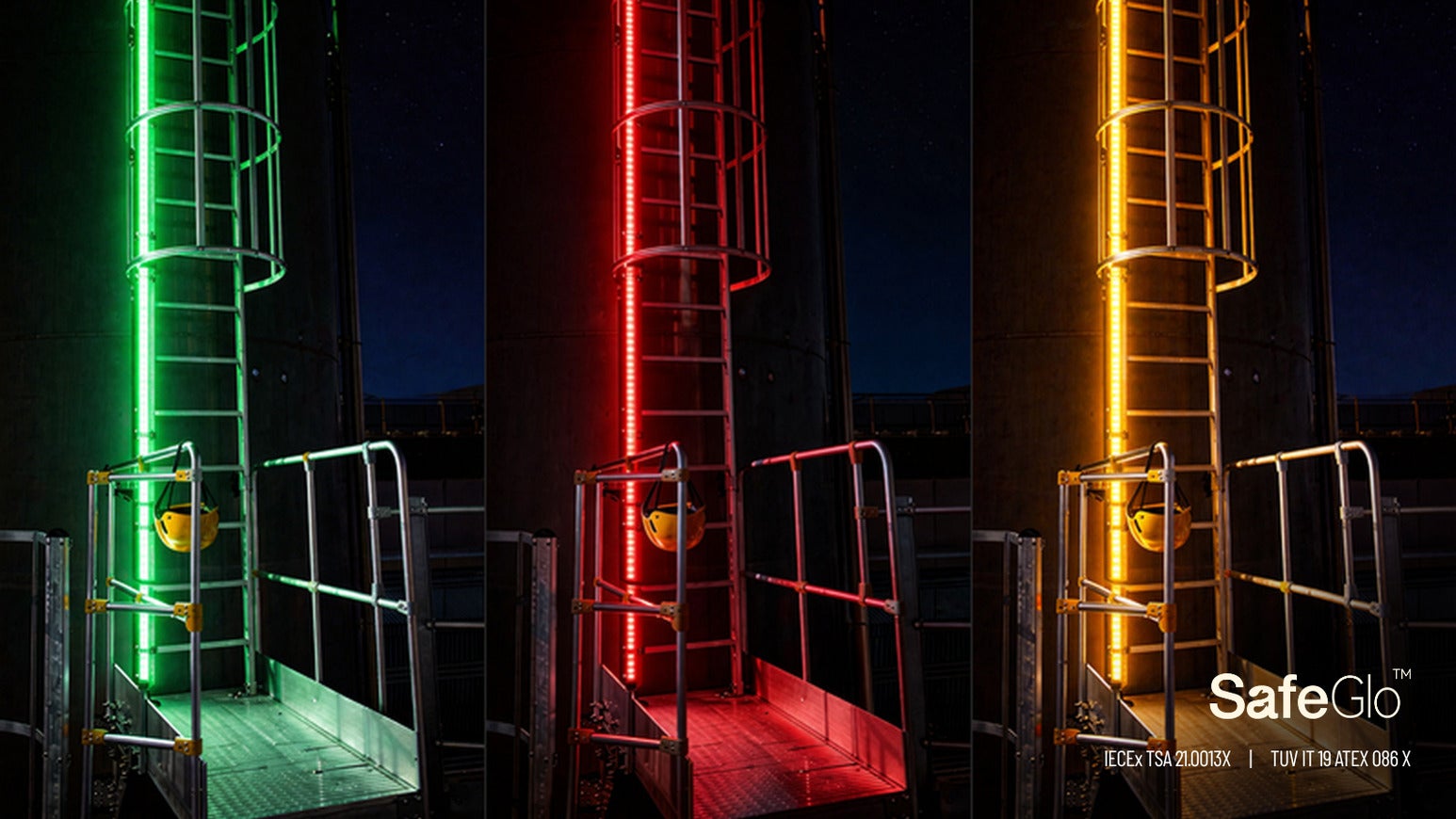
Operations teams need to keep production and maintenance tasks from colliding. A light that requires frequent opening, adjustment, or replacement inside a hazardous process zone can create repeated exposure opportunities. A durable, purpose-designed installation can reduce the number of interventions. It can also keep critical work areas visibly defined when temporary lighting would otherwise be introduced.
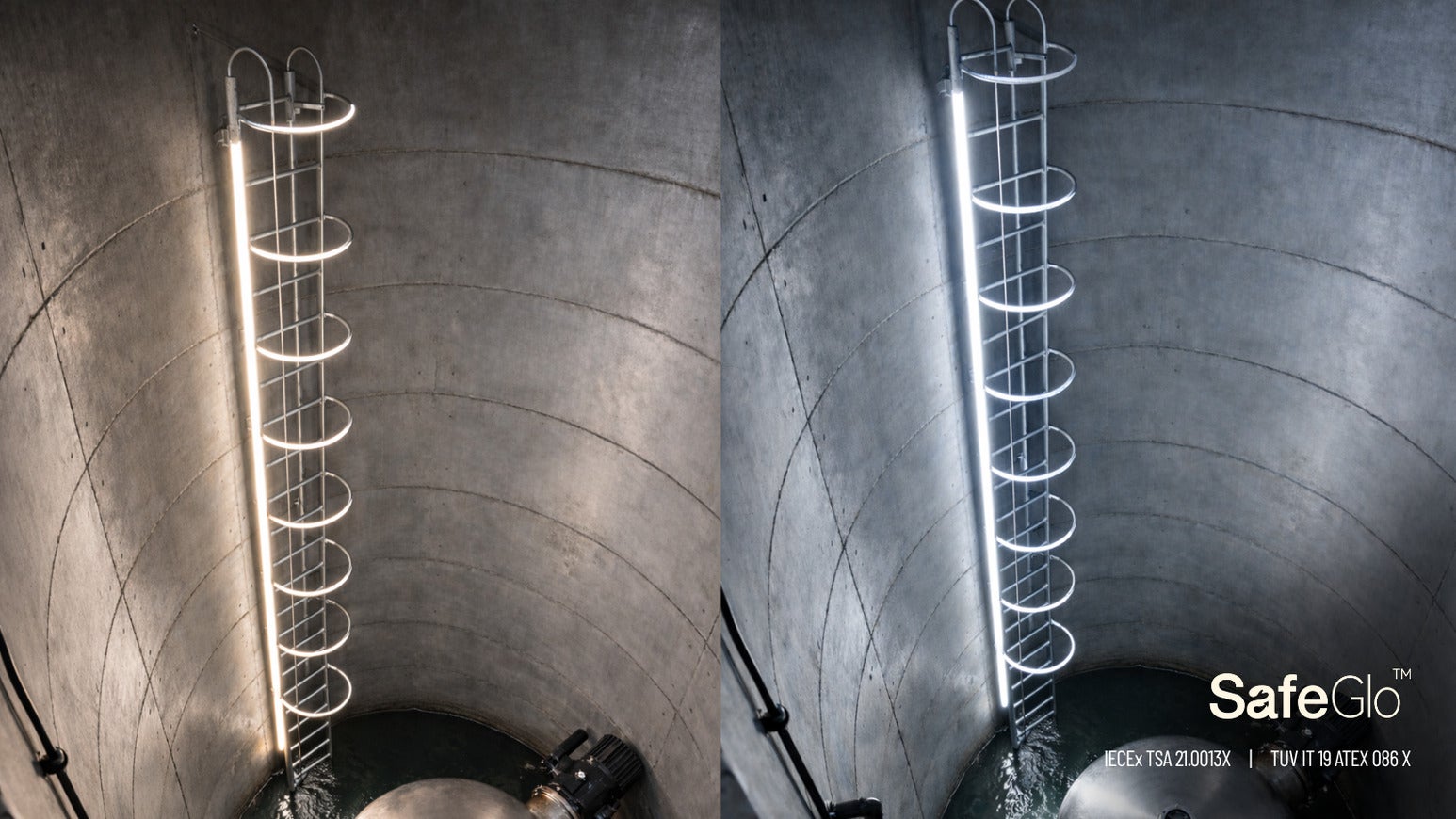
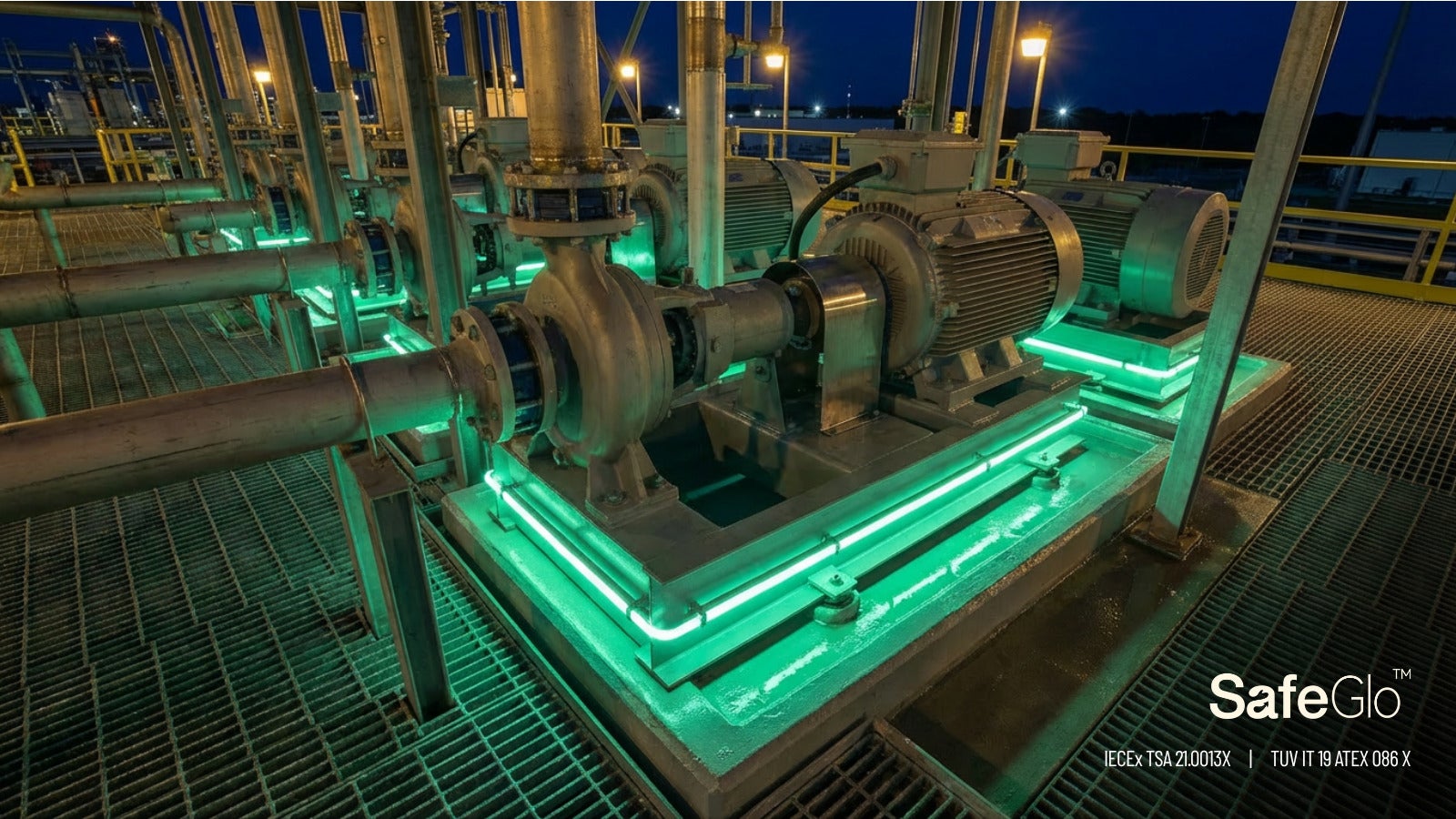
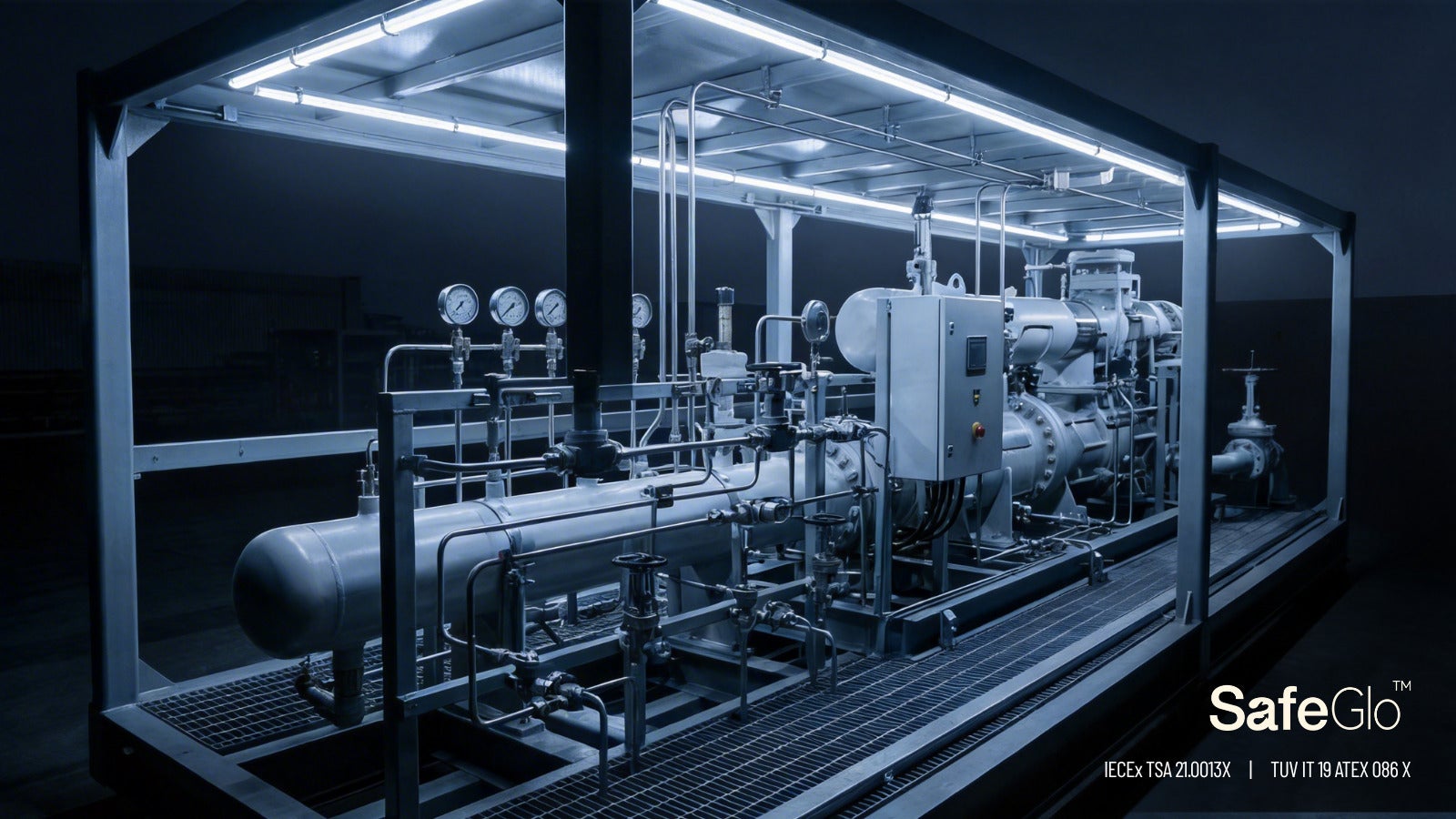
Engineering teams need to match the luminaire to the environment. The process may involve solvents, sludge, vapours, corrosive conditions, impact, washdown, heat, and restricted access. SafeGlo’s elongated or adaptable lighting approach can be useful where the process layout is difficult, but engineering must verify the exact hazardous-area approval, temperature class, environmental rating, mounting method, cable entry, and maintenance access for the selected model.
Procurement and ESG teams need to control substitutions. A purchase specification should not stop at “explosion-proof.” It should require the certification and markings needed for the documented area classification and the specific substances present. Lifecycle value includes reducing replacement frequency and maintenance exposure, but it also includes keeping approved components available so damaged equipment is not replaced with a general-purpose alternative.
The prevention takeaway
The lesson is not that explosion-proof lighting eliminates every ignition risk. It is that hazardous-area lighting must remain within its engineered protection concept throughout installation, operation, inspection, and maintenance. In this incident, the protective state of the fixture was changed while electrical energy remained present beside flammable material.
SafeGlo’s role is to provide the lighting layer, visibility, and physical durability appropriate to the specified environment. The site still needs isolation, ventilation, spill control, area classification, maintenance procedures, and ignition-source management around it.
The strongest lighting strategy is therefore not the fixture that simply survives the hazard. It is the complete lighting installation that does not encourage workers to defeat its protection in order to keep the task moving.
Source link: https://www.osha.gov/pls/imis/AccidentSearch.accident_detail?id=200621852