
Compressor Station
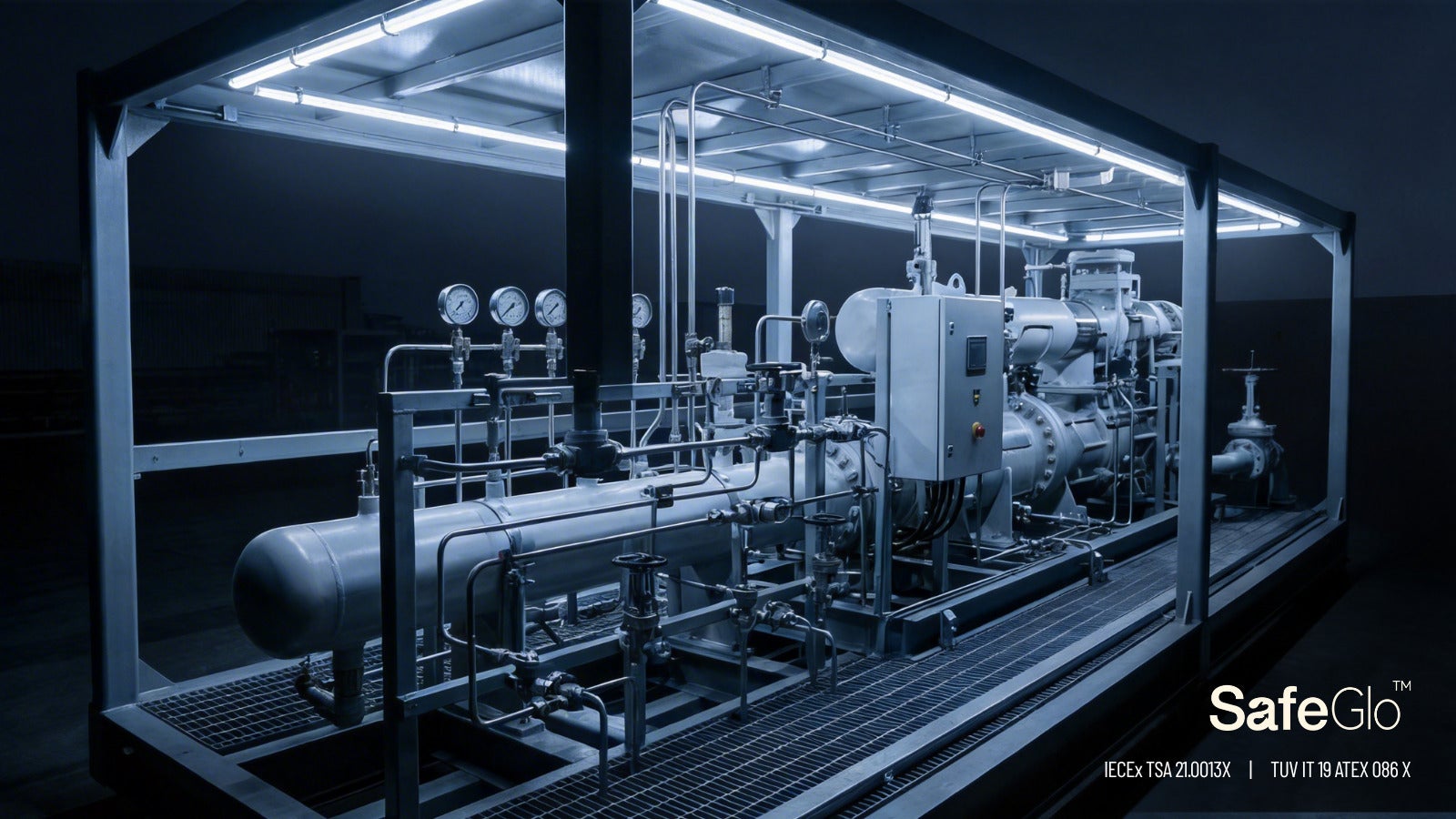
Remove skid blind spots during compressor fault diagnosis
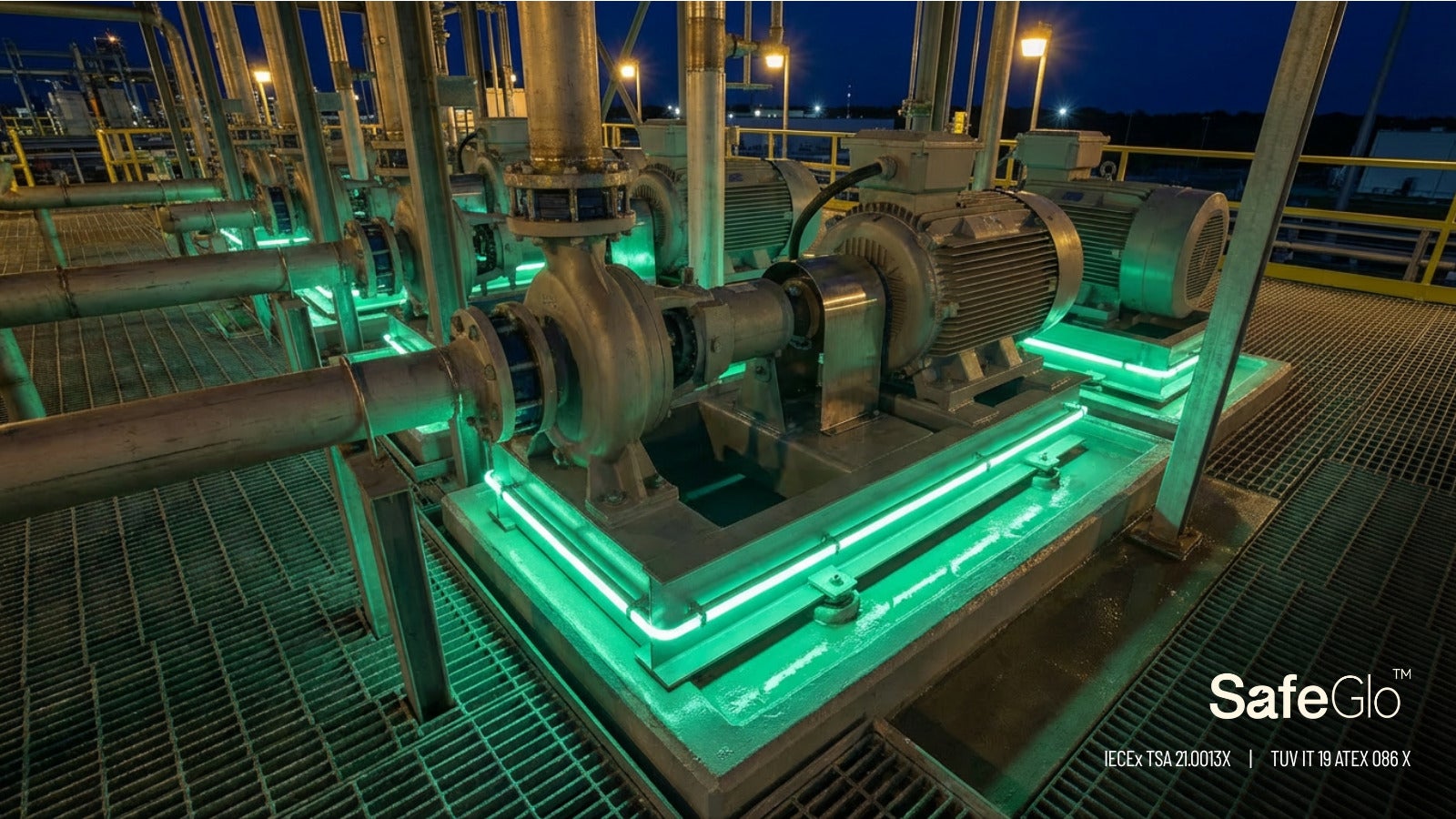
Troubleshooting a compressor skid often means working inside a dense field of pipework, instruments, tubing, valves, guards, and structural members. When light comes from one direction, the equipment itself creates the shadows. The risk is not darkness alone. It is misreading what caused an alarm because the relevant fitting, gauge, leak point, or connection cannot be examined clearly.

A dedicated troubleshooting light provides illumination inside the skid geometry rather than outside it. It targets the areas where technicians trace a fault, compare readings, inspect joints, and confirm mechanical condition.
Safety managers: reduces the chance of a technician reaching into a poorly seen area, overlooking a hot surface, or entering a pinch-point zone before the hazard is visually identified.
Operations: limits diagnostic delay caused by moving temporary lamps from one side of the skid to another while equipment remains unavailable.
Engineering: avoids the blind zones produced when fixed overhead luminaires are blocked by compressor frames, vessels, piping, and acoustic structures.
Procurement / ESG: cuts repeated use of temporary lighting assemblies, loose cables, replacement batteries, and short-life portable equipment during fault response.
Troubleshooting needs visual certainty. A technician should be able to distinguish a wet joint from a shadow, a loose connection from normal geometry, and the correct instrument from the one beside it.
The lighting therefore acts as a diagnostic control. It removes ambiguity from the inspection field before a mechanical decision is made.
For compressor stations, this matters during both planned maintenance and unexpected shutdowns. When production pressure is high, visual uncertainty can encourage rushed decisions. A lit troubleshooting zone keeps the work anchored to what is actually present on the skid, reducing the likelihood that a hidden condition is carried into the next step.
A clear diagnostic field also reduces unnecessary intervention. If technicians can see that a fitting is dry, a connection is intact, or an indicated fault originates elsewhere, they are less likely to open equipment simply because the visual evidence was inconclusive.