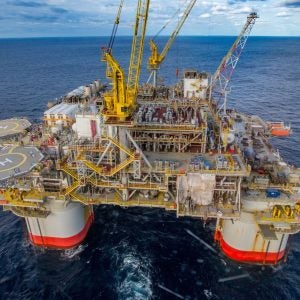
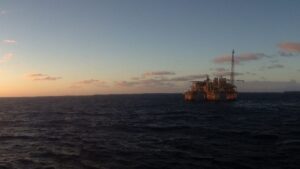
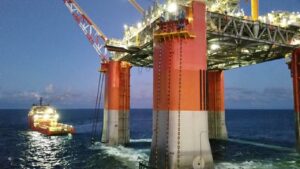
Jack / St Malo Deepwater Oil Project, Gulf of Mexico
The Jack/St Malo deepwater project situated in the Gulf of Mexico, US commenced production in December 2014.

You have successfully submitted your enquiry. Someone from our company will respond ASAP
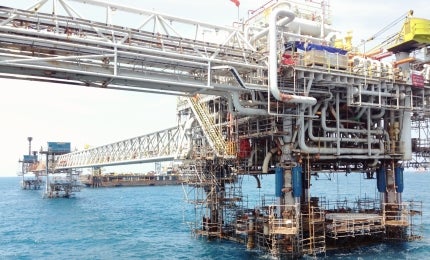
Versabar is an integrated engineering company, providing a full range of services and innovative solutions for a variety of industry challenges.
The firm performs detailed engineering and design, fabrication, and system integration testing, and its trained onsite technicians operate the equipment once it is deployed to ensure successful completion of the project.
Versabar provides custom hydraulic winch-based systems for riser and umbilical pull-ins on jackets, spars, floating production storage and offloading (FPSO) units and semi-submersibles.
The company has installed more than 150 risers and umbilicals worldwide with loads up to 650t. For higher loads, the firm transitions to custom chain jack solutions. Versabar engineers and furnishes a complete installation system from basic functional specifications, outlining riser and umbilical weights and furnishing platform layout drawings.
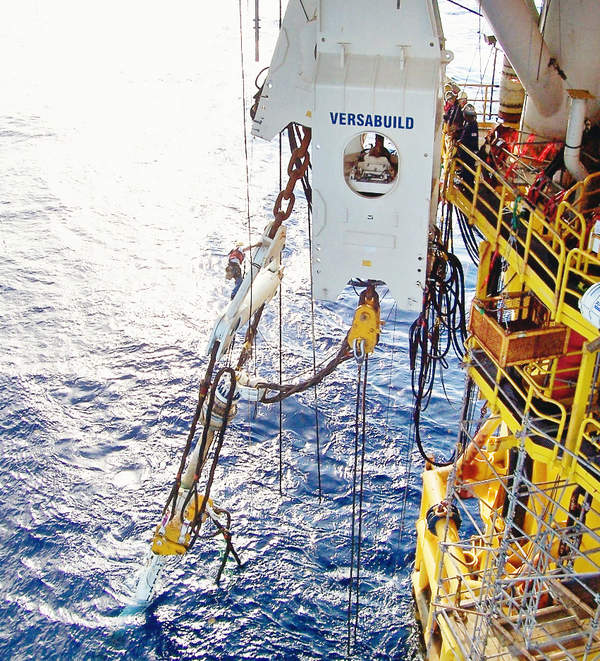
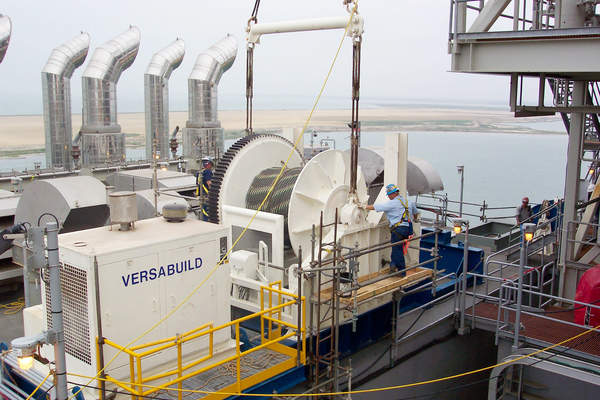
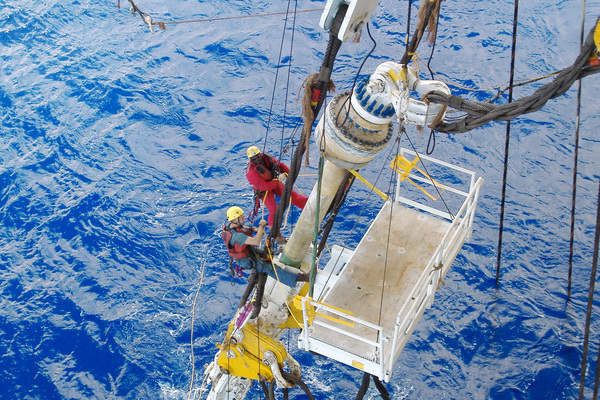
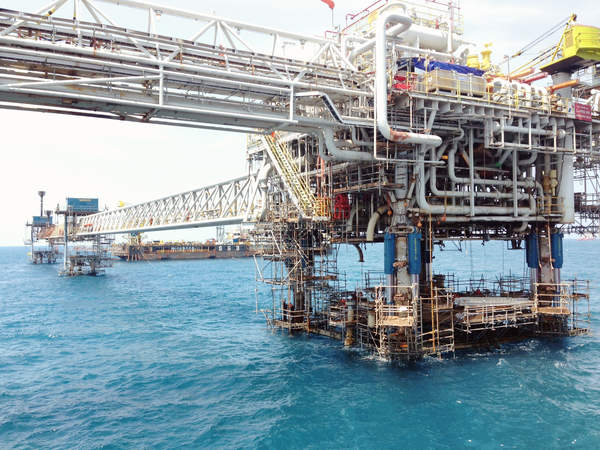
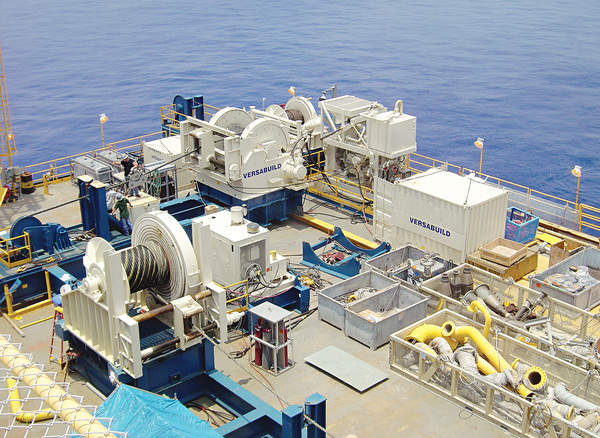
Versabar’s scope of services includes detailed engineering and design of the pull-in system, equipment lay-out accounting for all platform interface issues, interfaces with the pipeline / umbilical installation contractor, fabrication of beam packages and turndown sheave support structures.
Complete system integration testing and proof loading is also supplied, along with installation and operation of the pull-in equipment.
Versabar provides custom engineered winch packages for application in the removal and installation of flex joints and stress joints on risers from onboard platforms without using a derrick barge and custom rigging equipment needed to support the repair operation.
Versabar’s comprehensive lifting, rigging, engineering, fabrication and operations background combined with a diverse inventory of equipment that includes rigging, winches, hydraulic jacks, air casters, skidding systems, and other specialty lifting equipment, provides Versabar with the tools necessary to handle platform-based installations, upgrades, and repairs. Versabar works with limiting design parameters, such as tight spaces, to deliver platform-based lifting systems where utilizing a crane would not be a viable solution or the use of a crane barge vessel is too expensive.
Challenged by an offshore operator to increase the storm air gap on two eight-pile Gulf of Mexico production topsides, Versabar engineered and designed a programmable logic control (PLC) deck jacking system.
The system used hydraulically and electronically synchronised rams, diesel hydraulic power units, a centralised PLC control and monitoring system, and custom engineered encapsulated leg sleeves.
Versabar’s patented deck raising system has also been successfully implemented in South East Asia to raise a multi-platform, bridge-linked complex in a simultaneous and synchronised process.
Versabar offers a wide range of custom engineered and fabricated hydraulic equipment, including:
Versabar helps clients to manage risk while delivering solutions to increasingly complex projects, providing a full range of services from initial design to delivery. Based in Houston, Texas and New Orleans, Louisiana, US, the company supplies integrated solutions to customers worldwide.
With more than 30 years of experience in performing engineered lifting and pulling projects, Versabar has gained the trust and respect of major global offshore operators.
To view a list of Versabar’s completed projects, click here.
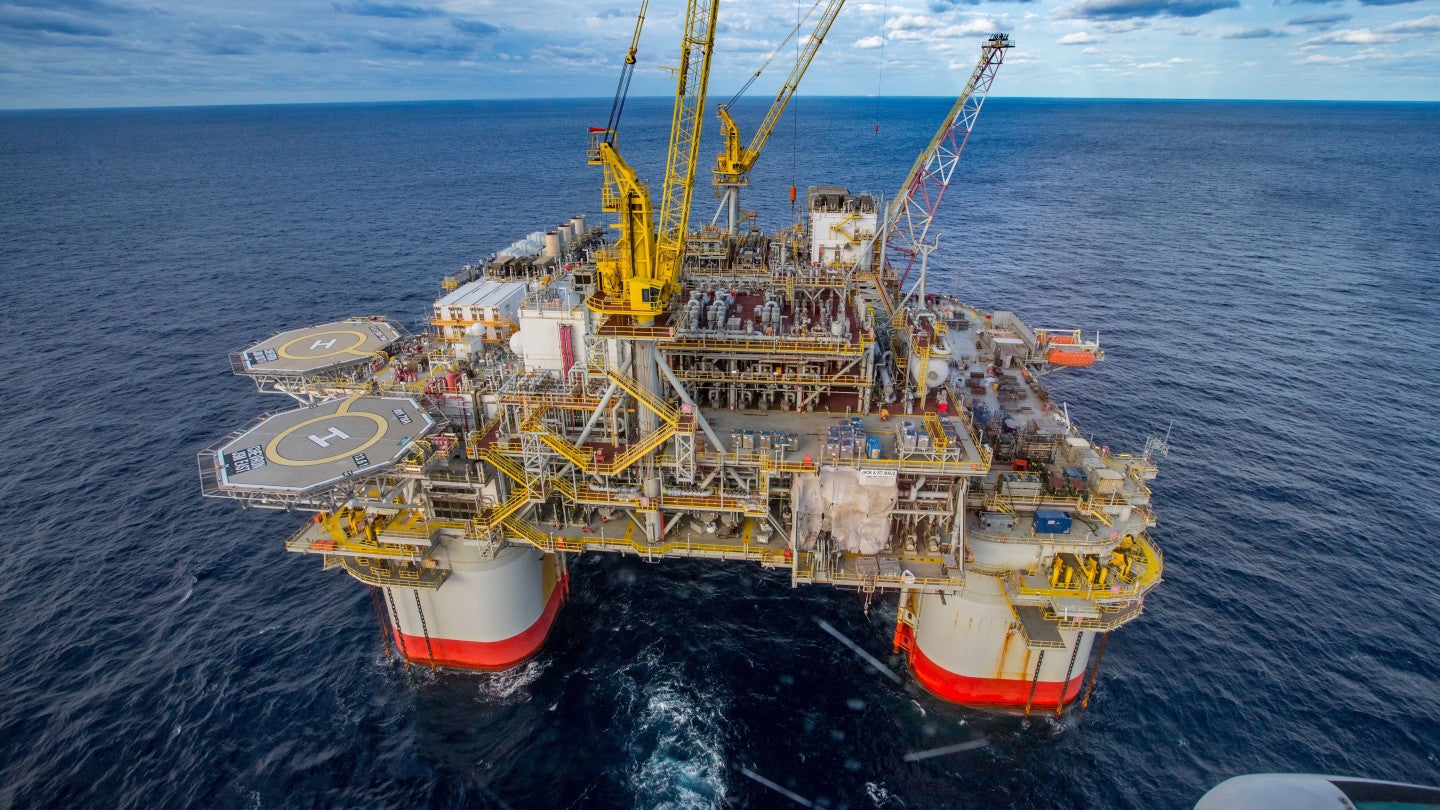
The Jack/St Malo deepwater project situated in the Gulf of Mexico, US commenced production in December 2014.
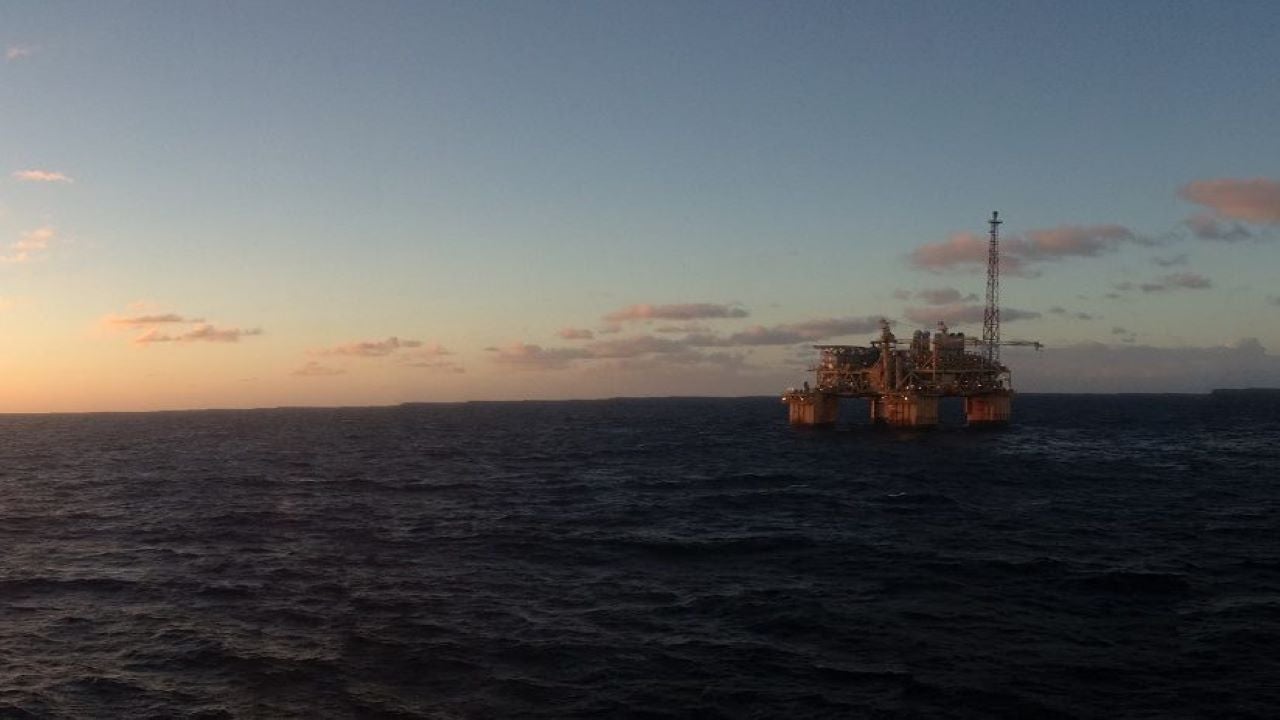
Production from the Independence Hub platform was stopped in December 2015 and decommissioning was completed in 2019.

Operated by Shell, the Appomattox project features the company’s largest floating platform in the Gulf of Mexico.
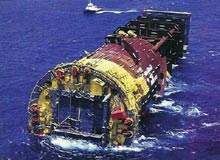
The Horn Mountain is an operating oil and associated gas field located off the coast of New Orleans in the Gulf of Mexico.

Kizomba oil field lies in Block 15 offshore Angola, marking one of the first tranches of deepwater acreage offered by the Angolan Government.
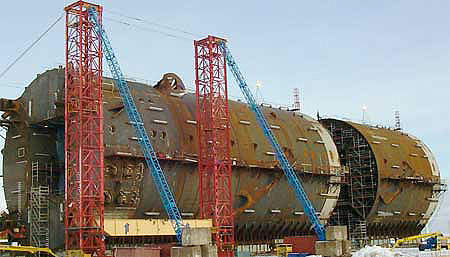
The Nansen and Boomvang fields lie in the East Breaks area of the Gulf of Mexico, approximately 150 miles south of Houston, Texas.
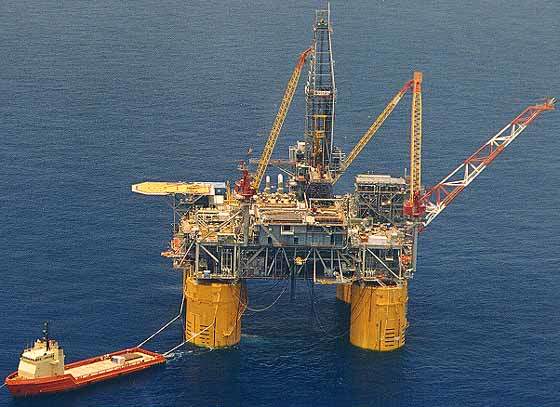
The Mars field is located in the Gulf of Mexico approximately 209.2km south-east of New Orleans, US.
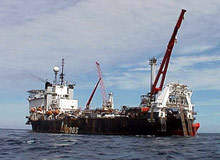
The Na Kika field extends over Missisipi Canyon blocks 474, 429, 657, 607, 522, 520, 383 at a water depth of 6,000ft in the Gulf of Mexico, approximately 225km south-east of New Orleans, Louisiana, US.

The Lucius oil field is located in the Keathley Canyon block in the Gulf of Mexico. Anadarko Petroleum operates the field with a 35% working interest.
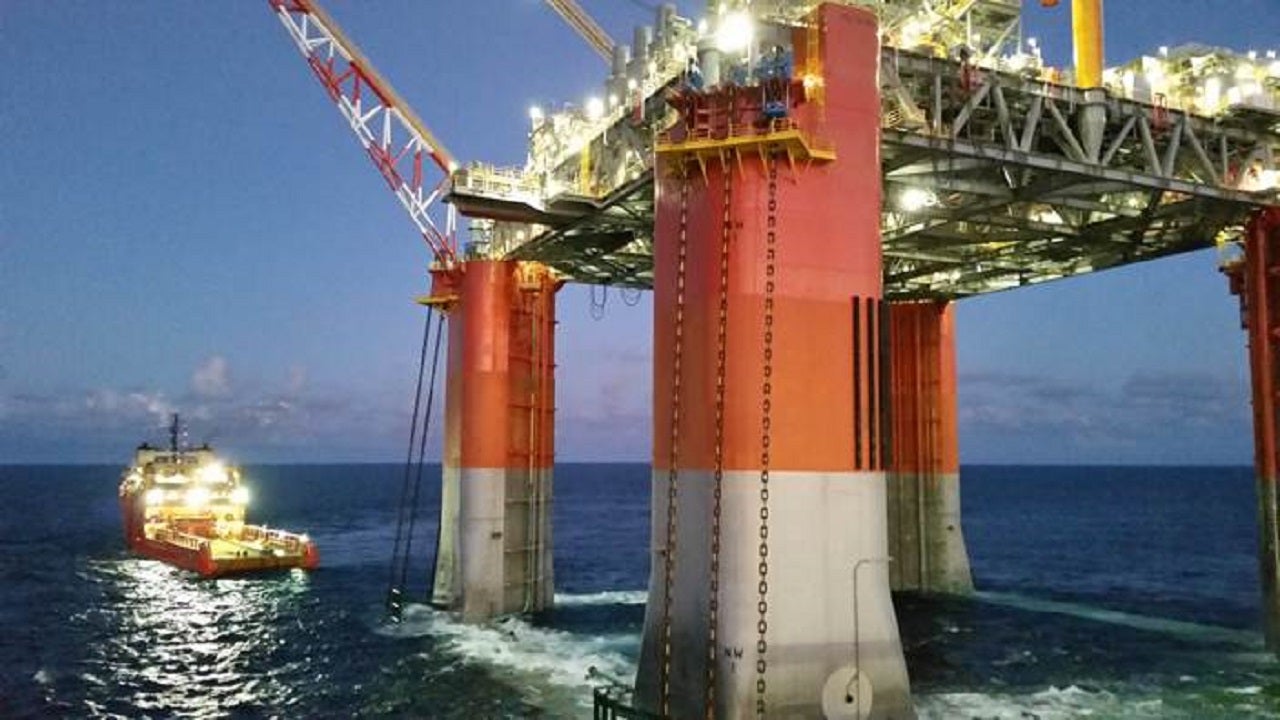
Delta House Field Development primarily involved the installation of a floating production system (FPS) at a water depth of 4,500ft in the Mississippi Canyon (MC) 254 field in the US Gulf of Mexico.
Versabar's thorough and accurate system integration testing (SIT) programme is exemplified in this test of a riser guide tube assembly (RGTA).
Versabar performed two SCR (steel catenary riser) and three umbilical pull-ins on a FPU (floating production unit) for an offshore operator.
An offshore operator recently completed steel catenary riser (SCR) FlexJoint replacements on the oil and gas export pipelines on a tension leg platform (TLP) in the Gulf of Mexico.
Versabar's VersaCutter is one of 15 new technologies to receive the Spotlight on New Technology Award for the 2015 Offshore Technology Conference.